NAD+ and Brain Aging: Can You Supplement Your Way to Better Cognition?
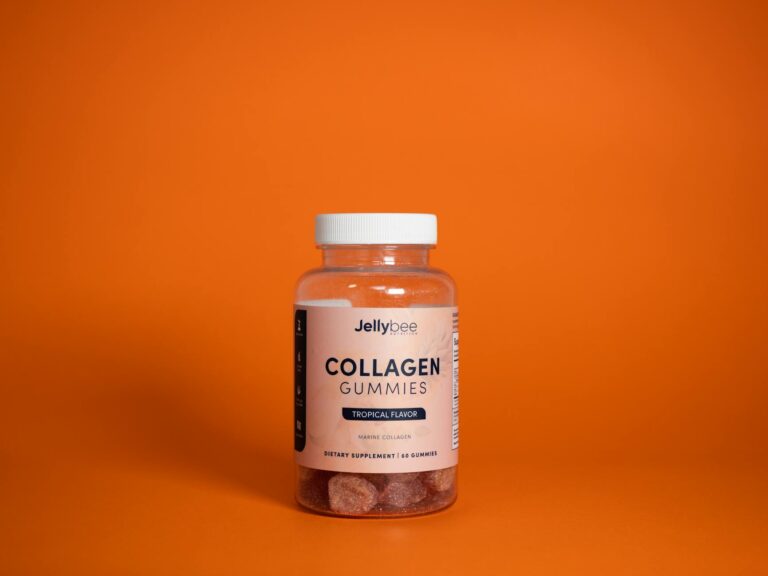
The short answer is no — not yet. Despite a surge of interest in NAD+ supplements like NMN and nicotinamide riboside, no human clinical trial has...
The short answer is no — not yet. Despite a surge of interest in NAD+ supplements like NMN and nicotinamide riboside, no human clinical trial has...
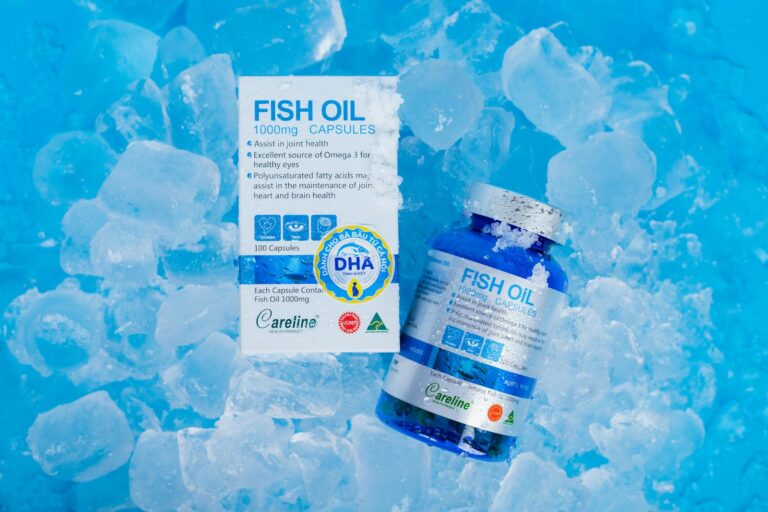
Vitamin K may be one of the most consequential nutrients for brain health that most people have never thought twice about.

Phosphatidylserine is found in meaningful amounts in a surprisingly short list of everyday foods, with the richest sources being organ meats, fatty fish,...

The foods highest in choline — the nutrient your brain depends on to build acetylcholine, the neurotransmitter behind memory and learning — are beef...

The short answer is yes — anthocyanins, the pigments that give blueberries, cherries, and purple cabbage their deep color, are among the most promising...
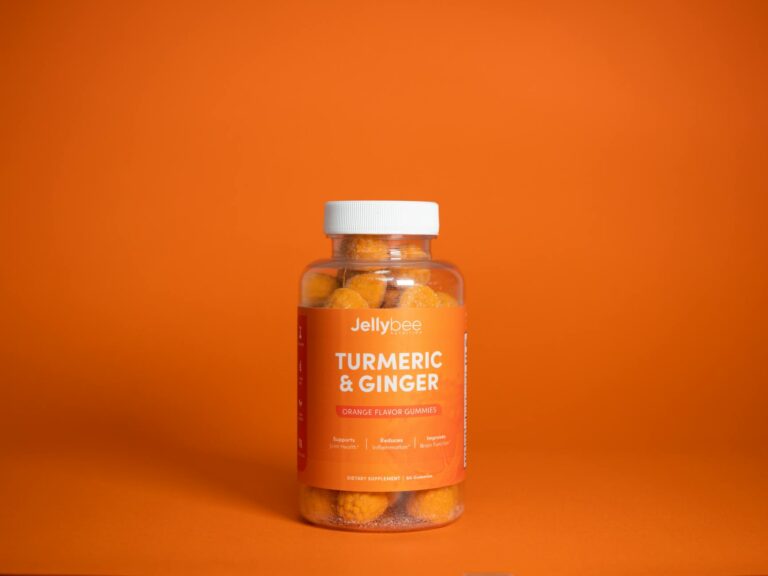
Neither curcumin supplements nor whole turmeric is universally "better" for the brain — they do different things, and the right choice depends on what you...

The short answer is both: the ketogenic diet for Alzheimer's disease is genuinely promising, but recommending it broadly remains premature.
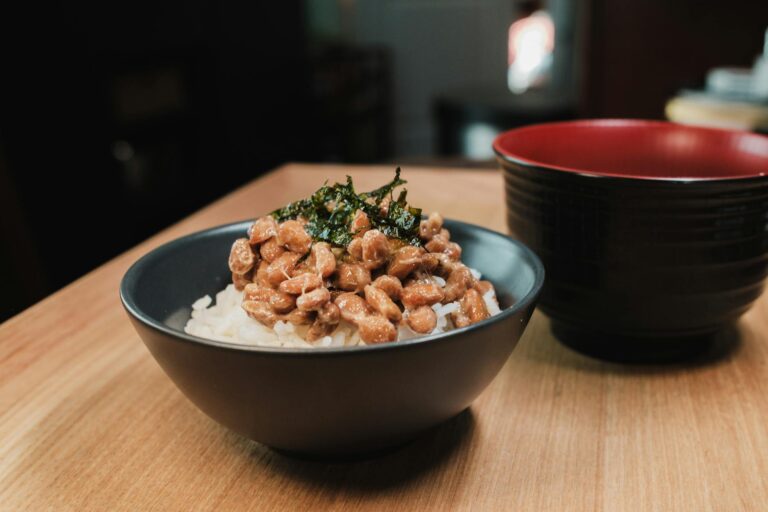
Fermented foods appear to benefit brain health primarily by reshaping the gut microbiome, reducing chronic inflammation, and strengthening communication...

The worst cooking oils for brain health, based on current research, are trans fats and partially hydrogenated oils, reused deep-frying oils, and certain...
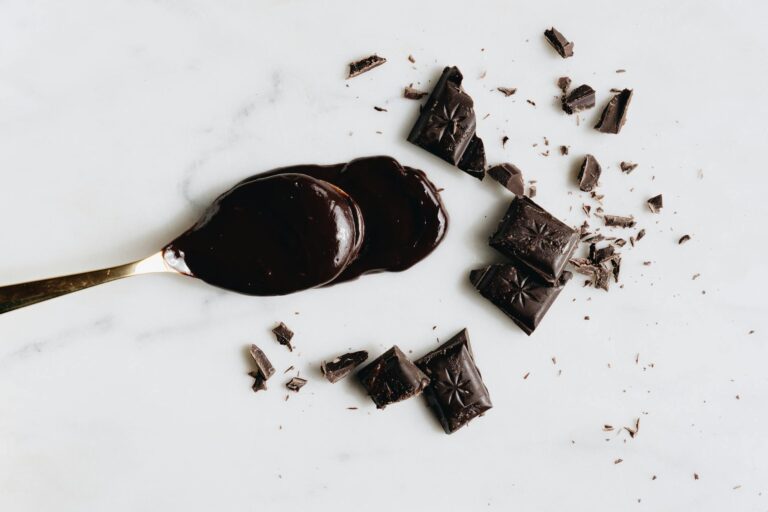
Based on the current research, you need about 20 to 35 grams of minimally processed dark chocolate with at least 70 percent cocoa content per day to see...
HelpDementia.com
Dementia, Alzheimer's, Caregiving & Healthy Aging Guidance
© 2026 HelpDementia.com. All rights reserved.
Educational information only. It is not medical advice and does not replace care from a qualified clinician.