The Japanese Diet and Low Dementia Rates: What They Eat Differently
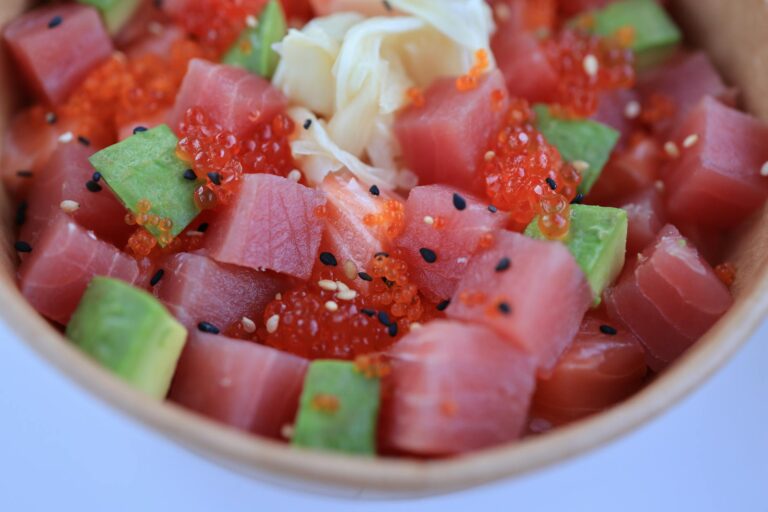
The Japanese diet appears to reduce dementia risk by roughly 20 to 40 percent, depending on the study and how closely people follow traditional eating...
The Japanese diet appears to reduce dementia risk by roughly 20 to 40 percent, depending on the study and how closely people follow traditional eating...

Lead, mercury, and arsenic in everyday foods are not just toxic in large doses — they are quietly contributing to neurodegenerative diseases like...

High glycemic foods — white bread, sugary cereals, soda, white rice — cause rapid blood sugar spikes that are now directly linked to a significantly...

Creatine, the supplement long associated with gym culture and muscle building, is emerging as one of the more promising compounds for supporting brain...
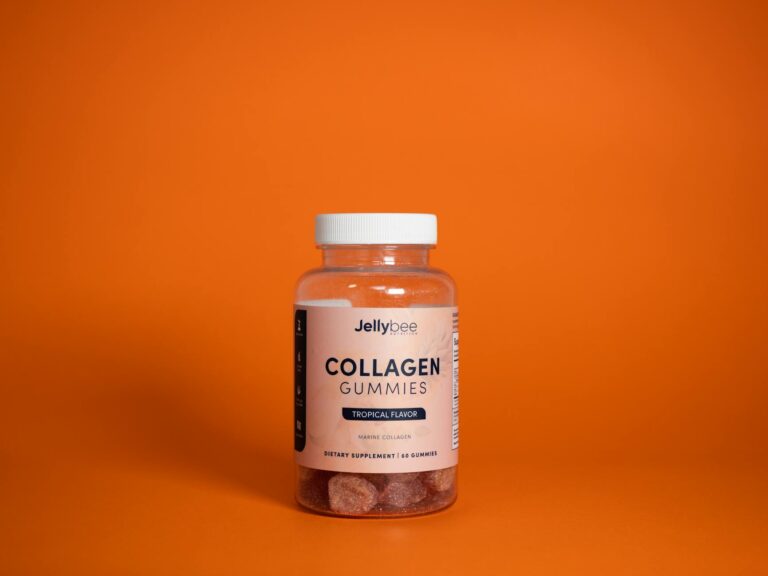
The short answer is no — not yet. Despite a surge of interest in NAD+ supplements like NMN and nicotinamide riboside, no human clinical trial has...

Vitamin K may be one of the most consequential nutrients for brain health that most people have never thought twice about.

Phosphatidylserine is found in meaningful amounts in a surprisingly short list of everyday foods, with the richest sources being organ meats, fatty fish,...

The foods highest in choline — the nutrient your brain depends on to build acetylcholine, the neurotransmitter behind memory and learning — are beef...
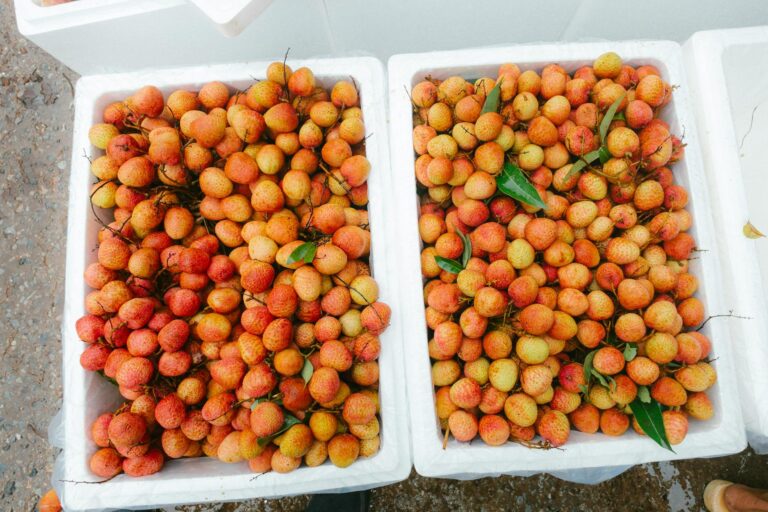
The short answer is yes — anthocyanins, the pigments that give blueberries, cherries, and purple cabbage their deep color, are among the most promising...
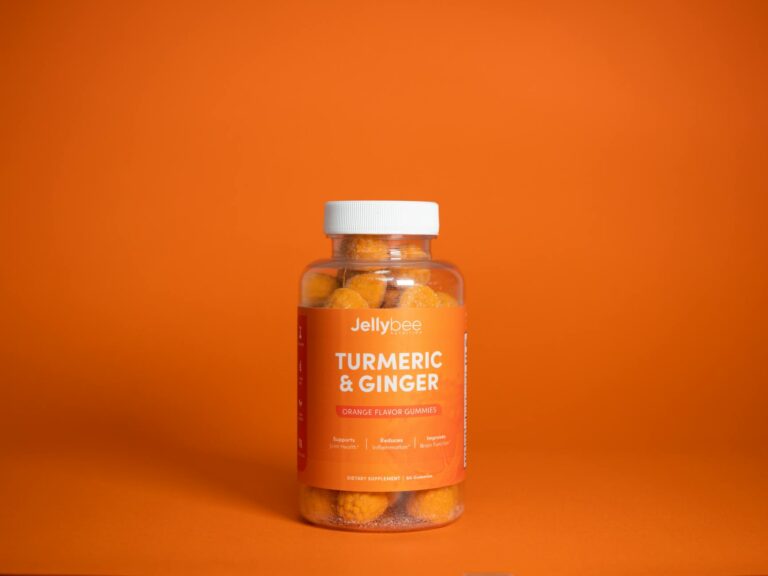
Neither curcumin supplements nor whole turmeric is universally "better" for the brain — they do different things, and the right choice depends on what you...