How to Verify Aphasia for Dementia Care Claims in 2026: FDA, NIH, WHO, and CMS sources, Evidence, and Red Flags

Learn which clinical records, coding details, and treatment claims help families assess aphasia-related dementia care documentation.
Learn which clinical records, coding details, and treatment claims help families assess aphasia-related dementia care documentation.

Learn how hearing conditions can shape a cognitive screen and what to discuss before treating a low score as evidence of dementia.

Learn how to weigh Parkinson's and dementia claims against clinical evidence, FDA warnings, and Medicare care options.

Learn how dementia-related aphasia differs from sudden stroke symptoms and how care partners can keep communication accessible.

Learn how Parkinson's dementia differs from DLB, which changes need attention, and how families can plan for care.

Learn when language changes need emergency action, how to improve conversations, and what therapy evidence and Medicare coverage mean.
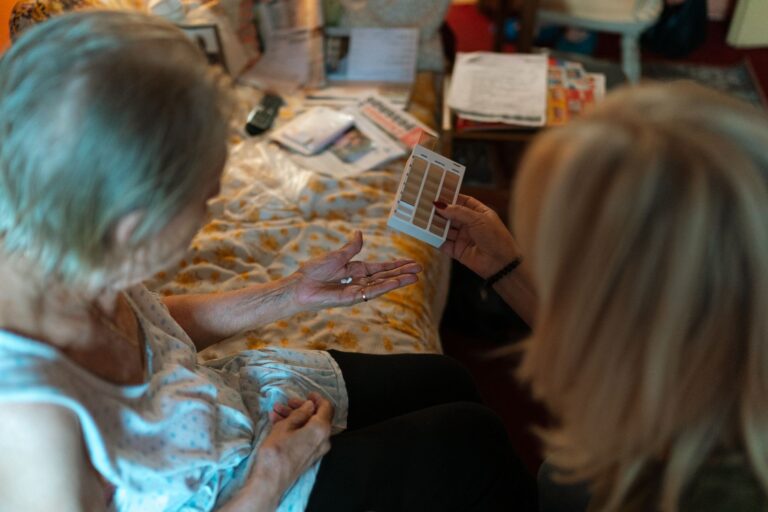
Why phone calls confuse people with dementia, when video calls genuinely help, and how written cues measurably improve conversation.

Reading aloud remains functional in dementia even as comprehension changes; adapted materials and caregiver presence sustain both enjoyment and connection.

Home observation of real-world functional decline often reveals early dementia before cognitive test scores change, making family reports essential to diagnosis.

Normal brief cognitive screening is not sensitive enough to detect early dementia—comprehensive testing and possible biomarker or imaging evaluation are appropriate next steps when concerns persist.
HelpDementia.com
Dementia, Alzheimer's, Caregiving & Healthy Aging Guidance
© 2026 HelpDementia.com. All rights reserved.
Educational information only. It is not medical advice and does not replace care from a qualified clinician.