Category Dementia

What is Frontotemporal Dementia (FTD) ?
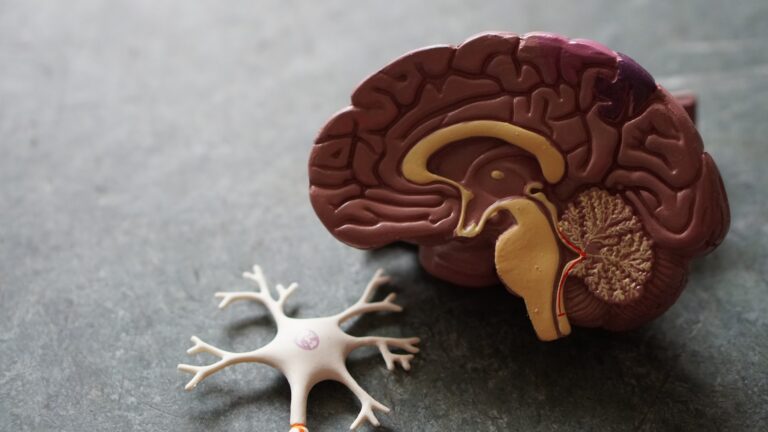
Frontotemporal Dementia (FTD) is a type of neurodegenerative disorder that affects the frontal and temporal lobes of the brain. Unlike other forms of dementia, such as Alzheimer’s disease, FTD typically affects individuals in their 50s and 60s, making it a…

Does Dementia Cause Hallucinations?

Shortness Breath Seniors — When Shortness of Breath in Seniors Signals Something Serious

Yes, people with dementia can suffer from hallucinations. Hallucinations are a type of sensory disturbance that occur when a person perceives things that are not actually present in their environment. In dementia, hallucinations can take many forms and can be…

NFTs of Dementia – What Are Neurofibrillary Tangles?

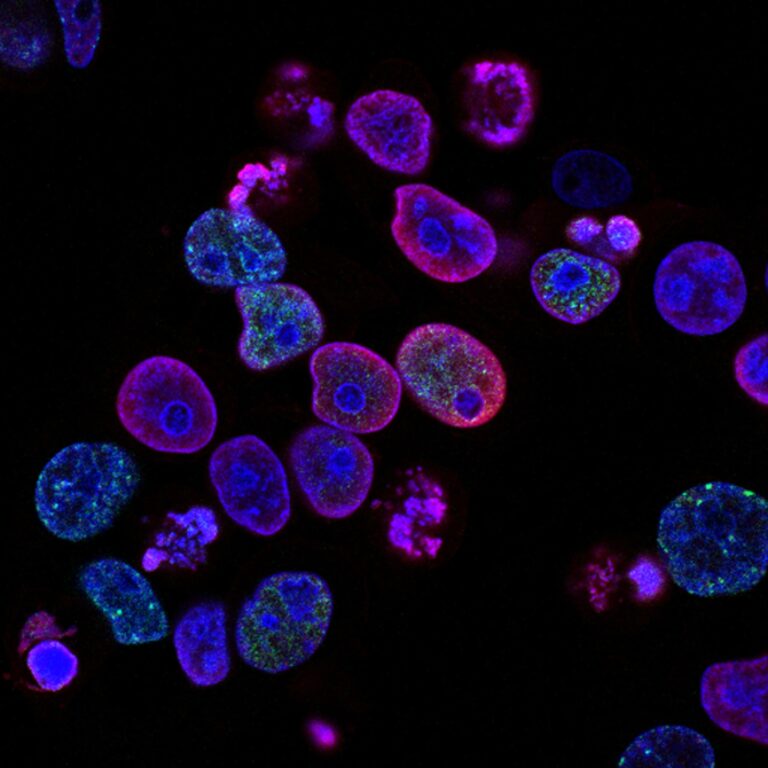
brain cells in dementia

Neurofibrillary tangles (NFTs) are a hallmark of Alzheimer’s disease and other neurodegenerative conditions. They are clumps of abnormal protein that build up inside nerve cells in the brain, leading to the death of these cells. To understand NFTs, it is…

Top 10 Books About Dementia (For Caregivers)

Here are the top 10 books about dementia: Why Top Matters for Families Understanding top helps families ask sharper questions at the next memory clinic visit and make calmer decisions at home. Dementia care decisions often hinge on small details…

7 Stages of Dementia

The 7 stages of Dementia, as described by the Global Deterioration Scale, are as follows: It’s important to note that each individual’s journey through dementia is unique, and the pace of progression can vary greatly. The stages described above are…

How to Measure the Progression of Dementia

Brain Volume Loss — What brain volume loss looks like in imaging scans

The Global Deterioration Scale (GDS) is a comprehensive tool used to measure the progression of dementia and other degenerative brain diseases. Developed in 1982 by Dr. Stanislav Kosonowski, the GDS provides a standardized system for evaluating the symptoms and functional…

HelpDementia.com

Dementia, Alzheimer's, Caregiving & Healthy Aging Guidance

© 2026 HelpDementia.com. All rights reserved.

Educational information only. It is not medical advice and does not replace care from a qualified clinician.