How to Organize Medication Lists for Dementia Appointments
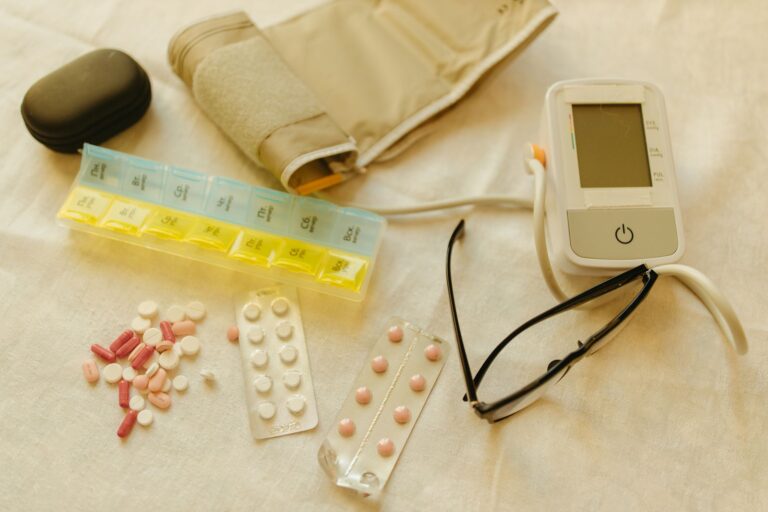
A complete medication list prevents doctors from prescribing duplicates and protects your loved one from dangerous drug interactions at dementia appointments.
A complete medication list prevents doctors from prescribing duplicates and protects your loved one from dangerous drug interactions at dementia appointments.

Keep brain imaging organized in both a physical binder and digital backup so doctors have immediate access to your loved one's diagnostic history.

Organized lab results show dementia specialists patterns in brain changes and cognitive decline that isolated test reports never reveal.

A medical binder brings together medications, diagnoses, legal documents, and emergency information in one place for faster, safer care when dementia creates confusion.

Instead of scattered insurance cards, medication lists, and appointment notes across drawers and email, a binder keeps everything organized and accessible...

Managing multiple doctors during dementia care requires a single designated coordinator, unified medical records, and regular communication between specialists.

Gastroenterology appointments become more complex when dementia affects understanding, communication, and behavior—advance planning with the medical team prevents complications.

Dementia patients need specialized preparation for urology visits to reduce anxiety and improve outcomes.

Dementia patients report skin problems inaccurately—but observed scratching behavior tells the real story dermatologists need.

The key is to schedule appointments during their best time of day—usually mornings when they're most alert and coherent—and to notify the podiatrist's...