9 Exercises Used in Physical Therapy to Improve Core Stability
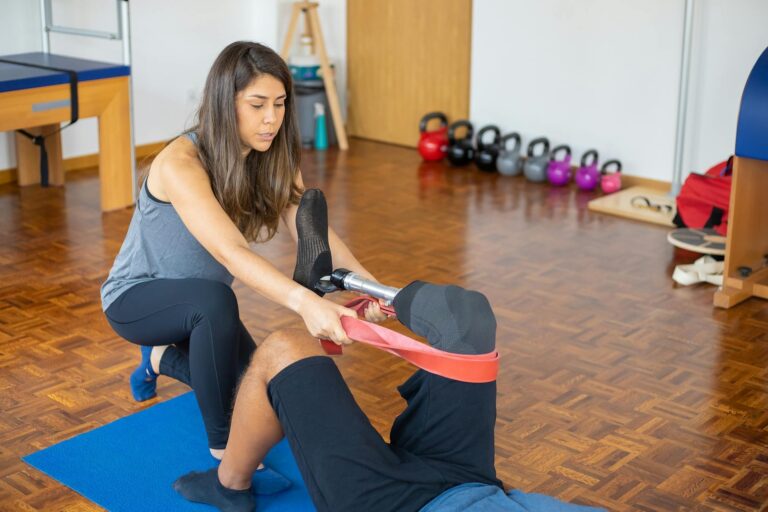
Physical therapy programs use nine core exercises—planks, bridges, bird dog, pelvic tilts, dead bug, side planks, single-leg Romanian deadlifts,...
Physical therapy programs use nine core exercises—planks, bridges, bird dog, pelvic tilts, dead bug, side planks, single-leg Romanian deadlifts,...

Nine core physical therapy exercises form the foundation of lumbar spine strengthening: dead bugs, bird dogs, planks, quadruped hip extensions, glute...

The sacroiliac joint, which connects your spine to your pelvis, can become a significant source of pain and mobility limitations—often radiating down the...

Physical therapy exercises can effectively stabilize herniated discs and resolve pain without surgery.

Physical therapy for sacroiliac (SI) joint pain typically involves six key exercises that reduce discomfort, build stability, and maintain mobility.

Physical therapists rely on six core spine stabilization exercises to help patients build strength and reduce back pain: pelvic tilts, transverse...

Hormonal therapy for acne control means using medications that address the underlying hormonal imbalances driving acne development, rather than just...

Red light therapy is a treatment that uses specific wavelengths of light—primarily in the 630 to 700 nanometer range—to stimulate healing at the cellular...
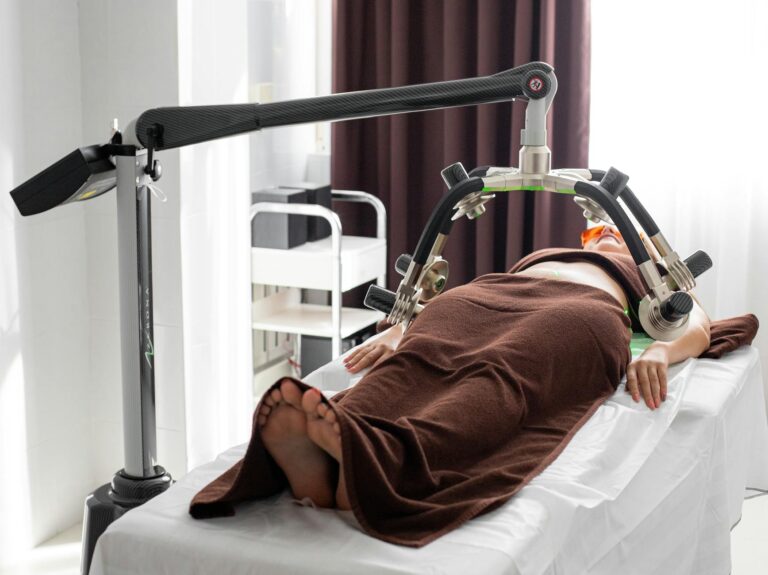
Blue light therapy is a clinically proven treatment for acne that works by emitting specific wavelengths of light—between 405 and 420 nanometers—that...

LED therapy works for acne by using specific wavelengths of light—primarily blue and red—to target the bacteria and inflammation responsible for breakouts.
HelpDementia.com
Dementia, Alzheimer's, Caregiving & Healthy Aging Guidance
© 2026 HelpDementia.com. All rights reserved.
Educational information only. It is not medical advice and does not replace care from a qualified clinician.