CMS GUIDE 24-Hour Dementia Support in 2026: Questions Medicare Families Can Ask a Provider
A list of exact questions to ask a provider about GUIDE's 24/7 line, respite cap, and 2026 eligibility changes.
A list of exact questions to ask a provider about GUIDE's 24/7 line, respite cap, and 2026 eligibility changes.

Five specific GUIDE questions — on quality of life, caregiver impact, medication checks, and memory-care eligibility — to bring to a provider visit.

WHO's 2026 guideline swaps single-habit advice for tailored plans targeting three or more relevant risk factors at once.

WHO's 2026 dementia guideline turns quitting smoking and cutting alcohol into graded, actionable midlife recommendations, not general wellness advice.

WHO's 2026 guideline now backs social activity as a conditional dementia-risk strategy for midlife adults with normal cognition, not just those already diagnosed.

WHO's 2026 guideline folds cholesterol into a midlife cardiometabolic checklist, not a standalone dementia target — here's what that distinction means for your plan.

WHO's new dementia guideline adds air pollution to its risk list, but midlife adults get the most benefit by pairing it with stronger-evidence steps like blood pressure control.

A nurse-led training program, not a clinic visit, now teaches caregivers to give the weekly Leqembi injection at home.

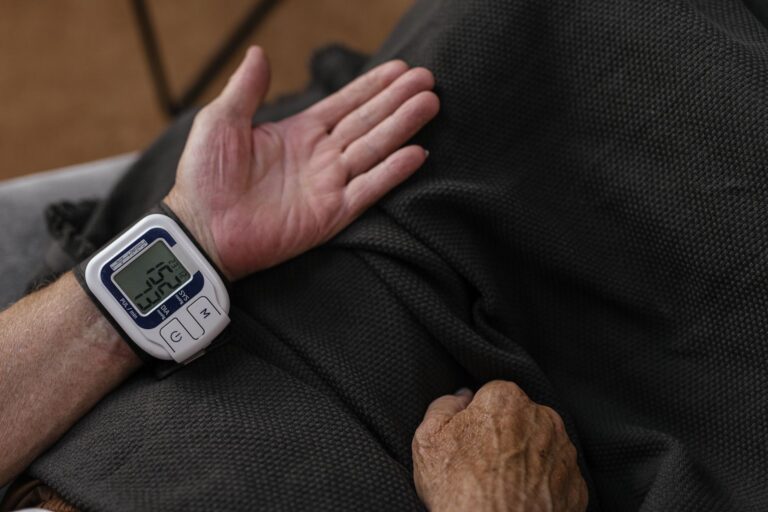
WHO's 2026 dementia guideline skips a precise blood pressure target, pointing instead to a global treatment gap as the real risk to close.

WHO's 2026 guideline treats hearing aids as one piece of a dementia risk plan, not a cure — here's what the evidence actually supports.
HelpDementia.com
Dementia, Alzheimer's, Caregiving & Healthy Aging Guidance
© 2026 HelpDementia.com. All rights reserved.
Educational information only. It is not medical advice and does not replace care from a qualified clinician.