What Families Should Track During Dementia Progression

Tracking cognitive, physical, and behavioral changes gives families a concrete record of dementia's progression and helps guide care decisions before crises force your hand.
Tracking cognitive, physical, and behavioral changes gives families a concrete record of dementia's progression and helps guide care decisions before crises force your hand.

An MMSE score alone cannot tell you whether someone needs a nursing home—it measures one thing: cognition on one day.

Small vessel disease damages the brain's tiny blood vessels and accounts for half of all dementia cases, often worsening Alzheimer's when both coexist.

Global data could make Alzheimer's prediction tools more accurate—if research can solve the challenges of integrating incompatible datasets and ensuring diverse populations are represented.

Movement problems like shuffling, stiffness, and poor coordination are common in Alzheimer's as brain damage spreads beyond memory centers.

Yes—new AI-powered platforms can detect multiple neurodegenerative diseases from a single blood sample, changing how diagnoses are made.
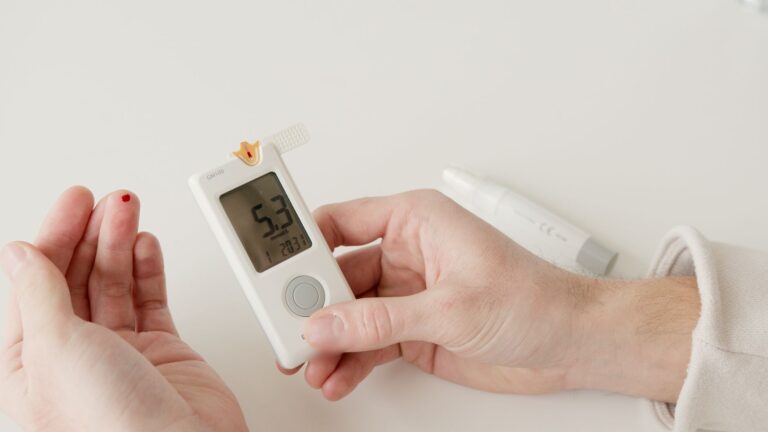
Blood tests detecting Alzheimer's proteins now identify Parkinson's, Lewy body dementia, and other brain diseases months before symptoms fully emerge.

PET scans now reveal Alzheimer's pathology years before symptoms appear, forcing difficult decisions about early treatment.

Advanced PET imaging can now reveal Alzheimer's brain pathology years before memory loss emerges, enabling early diagnosis and intervention.

Regular cognitive testing, brain imaging, and blood work combine to track whether memory and thinking changes signal disease progression.