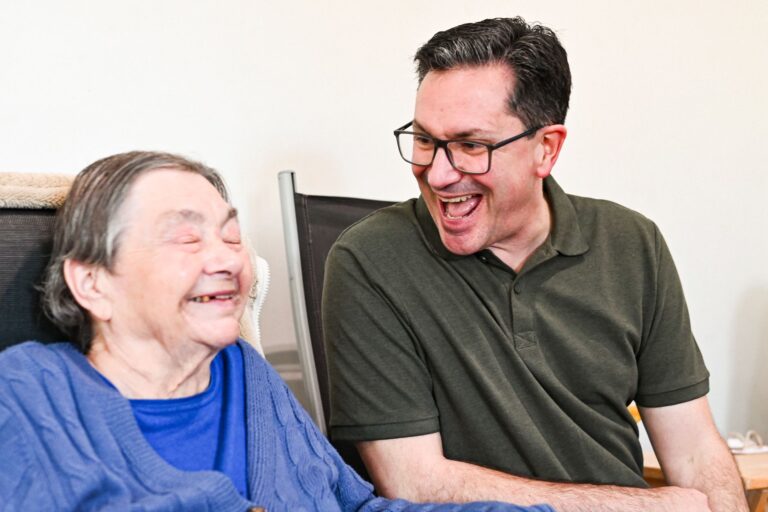
Caregiving for a spouse with memory loss over the holidays means choosing safety and calm over keeping every tradition. Dementia, loss of memory and thinking that disrupts daily life, makes noise, crowds, and schedule changes harder to handle. The Alzheimer's Association notes that people living with Alzheimer's or another dementia may feel a special sense of loss during the holidays. Spousal and family caregivers often feel overwhelmed trying to maintain traditions and keep the person safe.
Medical information disclaimer: This article is for general educational purposes only and does not provide medical advice, diagnosis, or treatment. Always consult a physician or other qualified health professional about symptoms, medications, tests, or treatment decisions.
Table of Contents
- Should you simplify traditions?
- How do you keep the day steady?
- What should guests know?
- How do you protect your own health?
Should you simplify traditions?
The Alzheimer's Association advises spouses to adjust expectations and keep only what is safe and manageable, in its holiday guidance for caregivers. That may mean a smaller, shorter, or more casual gathering. Pick one or two traditions that still bring comfort.
The National Institute on Aging advises accepting that holidays will look different. Keep a tradition your spouse still enjoys, such as a familiar song or food. Drop events that demand travel, late nights, or long hosting.
How do you keep the day steady?
University of Alabama at Birmingham nursing expert Rita Jablonski-Jaudon warns that routine changes can worsen behavioral and psychiatric symptoms of dementia. Rushed or corrective behavior from caregivers can also trigger negative emotions. Keeping sleep, meals, and medications on time matters more than the party schedule. The National Institute on Aging advises scheduling events at your spouse's best time of day.
Morning is often calmer than a late dinner. Create a quiet break space with familiar activities or calming music. For example, open gifts in a small sitting room, then let your spouse rest. Keep lights steady and background noise low. Return to the normal routine right after guests leave.
What should guests know?
The National Institute on Aging advises briefing visitors on what your spouse can still do, in its activity guidance for Alzheimer's caregiving. Share one or two simple ways to connect. Ask guests to arrive in small groups, not all at once.
Use these steps for each greeting. Model them once so guests copy your tone. Give your spouse permission to leave the room for a break. Stay nearby to redirect if noise builds.
- Make eye contact before speaking.
- Introduce yourself by name and relationship.
- Do not correct mistakes or argue.
How do you protect your own health?
The National Institute on Aging says caregivers should ask for help, take daily breaks, and use respite care, explained in its respite care resource. Respite means short-term relief at home, in an adult day center, or in a facility. Use it to rest, travel, or see family and friends. Emory nursing researcher Brittany Butts found caregivers with higher perceived stress had poorer psychological health and shorter telomeres, a marker of faster cellular aging.
Spouses were especially affected by shared bedrooms, sleep loss, and little time for diet or exercise. A JAMA Network Open study followed about 955,000 married adults from 1998 to 2022. Dementia in one spouse was linked to 74% higher risk in wives and 69% higher risk in husbands, per MedicalXpress 2026 study report. Chronic stress, sleep disruption, isolation, and shared lifestyle may contribute. The insurance-record link cannot prove caregiving caused dementia.