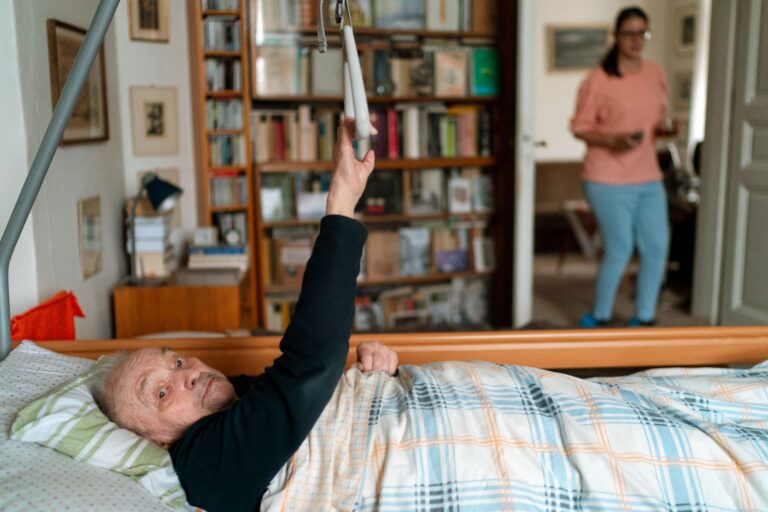
Yes, quiet environments can meaningfully reduce agitation in people with dementia, though the effect varies depending on the individual’s stage of disease and personal sensory sensitivities. Research consistently shows that excessive noise and overstimulation—from televisions, conversations, mechanical sounds, or other household activity—can trigger or intensify behavioral episodes in people with cognitive decline. The mechanism is neurological: as dementia damages the brain’s ability to filter and interpret sensory input, loud or chaotic environments create cognitive overload, which manifests as anxiety, confusion, and agitation. A quiet environment doesn’t mean absolute silence, which can feel isolating or even increase anxiety for some.
Instead, the goal is reduced *unnecessary* noise and predictable, gentle soundscapes. One caregiver of a person with mid-stage Alzheimer’s reported that after replacing a noisy air conditioning unit and removing the constant background television, her husband’s afternoon agitation dropped from daily episodes lasting 2–3 hours to occasional 15-minute episodes occurring two to three times weekly. This improvement didn’t happen overnight; behavioral changes typically emerge over one to three weeks as the nervous system adapts to calmer surroundings. The relationship between sound and dementia agitation is bidirectional: agitation can also *increase* a person’s sensitivity to noise, creating a feedback loop. Breaking this cycle often requires changes to both the environment and caregiving approach.
Table of Contents
- Does Noise Really Trigger Dementia Agitation?
- How Does Noise Overload Lead to Agitation and Behavioral Changes?
- How Quiet Environments Affect Sundowning and Late-Day Behavioral Episodes
- Creating a Dementia-Friendly Quiet Environment—Practical Changes
- When Quiet Environments Aren’t Enough and Other Factors Matter
- Sensory Preferences and Individual Differences in Response to Quiet
- Environmental Sound Control Beyond the Home—Care Facilities and Outings
- Frequently Asked Questions
Does Noise Really Trigger Dementia Agitation?
The short answer is yes, and the evidence comes from neurology, geriatric psychology, and real-world caregiving observation. The brain of someone with dementia loses its ability to suppress background noise—a function called sensory gating. In a healthy brain, you can ignore a refrigerator hum or distant traffic while focusing on a conversation. In dementia, this filtering fails, and every sound competes equally for attention. A person with moderate Alzheimer’s in a house with a dishwasher running, a television in an adjacent room, and someone speaking on the phone may experience all three stimuli simultaneously at full intensity, which feels like cognitive chaos. Studies of institutional settings show that unit-wide noise reduction initiatives correlate with fewer behavioral incidents.
One nursing home reduced aggressive incidents by 22% simply by lowering background television volume, implementing quiet zones without loudspeakers, and scheduling loud maintenance during evening shifts when residents were less present. However, individual responses vary significantly; some people remain calm in noisy environments while others become dysregulated in even mild noise. The difference often relates to the type of dementia, the speed of disease progression, and whether auditory changes (hearing loss, tinnitus) coexist with cognitive decline. A key limitation: loud *familiar* sounds (a grandchild’s voice, a favorite song) may not trigger agitation the way unfamiliar harsh sounds do. A person with dementia may sit peacefully through a grandchild’s excited chatter but become distressed by a neighbor’s power drill. This selective sensitivity shows that it’s not volume alone but also predictability and personal meaning that influence response.
How Does Noise Overload Lead to Agitation and Behavioral Changes?
When sound overwhelms the dementia-affected brain, it activates the amygdala—the emotional and threat-detection center—without the prefrontal cortex’s rational tempering. This is why the agitation feels immediate and visceral rather than reasoned. The person may not consciously register “the dishwasher is loud”; they simply experience a surge of anxiety or anger that feels urgent and real. Over time, repeated overstimulation can lower the person’s threshold for agitation, meaning they become upset more easily by progressively quieter sounds. The neurochemical cascade of noise-triggered agitation involves elevated cortisol and adrenaline, which increase heart rate, blood pressure, and muscle tension. Some people express this as verbal aggression or pacing; others become withdrawn or compliant but internally dysregulated.
A person may not remember *why* they are upset—they have no conscious access to the noise trigger—so they may fixate on an imagined threat or past grievance as an explanation. This is why reassurance alone (“It’s just the vacuum cleaner”) rarely works; the emotional response is real, even if the perceived threat is not. One critical downside of noise-focused intervention: oversimplifying agitation as “just noise sensitivity” can mask other treatable causes like pain, infection, medication side effects, or need for toileting. A person who is agitated in a quiet room may have an underlying urinary tract infection or constipation, not an overstimulation issue. Quiet environments are supportive but not diagnostic. Some caregivers reduce environmental noise and see no improvement in agitation, which correctly signals that a medical evaluation or other intervention is needed.
How Quiet Environments Affect Sundowning and Late-Day Behavioral Episodes
Sundowning—increased agitation, confusion, and behavioral problems in late afternoon or evening—is common in dementia and is worsened by environmental noise. As cognitive fatigue accumulates throughout the day, the brain’s capacity to cope with sensory input declines. A quiet environment in the afternoon and evening can reduce sundowning severity or delay its onset. One family reported that their mother, who lived in a high-traffic area of their home with frequent noise from a garage, began experiencing severe sundowning by 3 p.m., including screaming and attempts to leave the house. After moving her bedroom to a quieter part of the home and establishing a “quiet hour” from 2 to 4 p.m.—with soft background music (classical or instrumental nature sounds), dimmed lighting, and minimal conversation—her sundowning behavior shifted to around 5 p.m.
and became less intense. Notably, she still needed medication for the behavior, but the environmental change made the medication more effective and reduced the duration of episodes. However, some people with dementia use noise and activity as stimulation that prevents them from ruminating on fears or loss. A person living in an overly quiet environment may become more depressed or anxious, fixating on worry or loss of identity. The optimal environment is calm but not barren—it includes gentle activity, responsive social interaction, and meaningful sensory input.
Creating a Dementia-Friendly Quiet Environment—Practical Changes
Achieving a quiet environment doesn’t require expensive renovations or medication adjustments. Start with the highest-impact, lowest-cost changes: replacing constant background television with quiet or music, using “do not disturb” modes on phones, choosing quiet appliances (refrigerators and air conditioners are common culprits), and establishing household times for loud activities like vacuuming. Compare two caregiving scenarios: In the first, a family keeps a television running throughout the day for their own comfort, with additional noise from a dishwasher, a robotic vacuum, and frequent phone calls. In the second, a family designates morning “activity time” for loud tasks, maintains midday quiet with occasional soft music, and keeps evenings quiet with gentle one-on-one time.
The second family typically reports lower agitation scores and fewer medication adjustments. The trade-off is that caregivers must be more intentional about their own noise habits and be willing to step outside or use headphones for activities that don’t include the person with dementia. Soft background music—particularly classical, instrumental, or familiar songs from the person’s youth—can fill silence without overstimulating. The volume should be low enough that conversation is possible without raising voices. White noise or nature sounds can mask unpredictable external noise like traffic or neighbors.
When Quiet Environments Aren’t Enough and Other Factors Matter
Even in an ideal quiet environment, a person with advanced dementia or multiple comorbidities may continue to experience agitation. Neurological damage progresses regardless of environmental modification. Additionally, agitation stemming from pain, hunger, need for toileting, or infection will not improve by quieting the environment alone—these require medical attention. A significant warning: isolation in quiet environments without meaningful activity or social connection can paradoxically increase depression, anxiety, and agitation. Quiet does not mean abandonment.
A person with dementia needs responsive interaction, purposeful activity tailored to their abilities, and structured routine alongside environmental calm. One care facility that implemented a “quiet zone” without increasing staff time for activities saw no improvement in agitation; residents still needed engagement and purpose. The quiet only worked when paired with one-on-one activities, hand-holding, or meaningful tasks. Medication management also intersects with environmental change. Some medications can increase sensitivity to noise or impair concentration; others can reduce agitation independent of environment. If agitation does not improve after introducing a quiet environment over 2–3 weeks, medication review and medical evaluation are warranted, not just continued environmental modification.
Sensory Preferences and Individual Differences in Response to Quiet
People with dementia retain individual sensory preferences despite cognitive decline. Some people are naturally calm in silence; others have a lifelong preference for background activity and radio. A person who spent 40 years working in busy environments and listening to talk radio may become more anxious in silence, not less. Caregivers sometimes impose quiet environments based on general dementia guidelines without considering the person’s premorbid personality.
The most effective approach is gradual adjustment combined with observation. Try introducing quiet periods of 30–60 minutes initially, alongside the person’s preferred activities or music, and observe changes in behavior and mood over one to two weeks. If agitation decreases and mood improves, extend quiet periods. If the person becomes withdrawn or anxious, maintain some background sound or activity while still avoiding sharp, unpredictable noise.
Environmental Sound Control Beyond the Home—Care Facilities and Outings
If a person with dementia attends day programs or lives in a care facility, the environment there often contains unavoidable noise: intercoms, multiple conversations, televisions in common areas, call bells, and medication carts. Families can advocate for quieter spaces—a dedicated quiet room, headphones for personal music, or adjusted scheduling to avoid the person’s most vulnerable times. Some facilities now offer dementia-specific wings with lower noise levels and adapted designs.
When taking a person with dementia to appointments or outings, planning for sensory management reduces agitation. Visiting a busy medical office or shopping mall may trigger behavioral episodes independent of how quiet the home is. Scheduling appointments during off-peak hours, using quiet waiting areas, and limiting the duration of outings can maintain the stability gained from home environmental changes. A person who is calm at home may have a 45-minute window of tolerance outside the home before agitation emerges; knowing this limit helps caregivers plan realistic activities.
Frequently Asked Questions
Is complete silence better for someone with dementia agitation?
No. Complete silence can feel isolating and increase anxiety. Gentle background sound—soft music, nature sounds, or quiet conversation—is often preferable to silence, as long as it’s predictable and not jarring.
How long does it take for a quiet environment to reduce agitation?
Behavioral changes typically appear within one to three weeks of consistent noise reduction. Some people show improvement within days; others take longer. If no improvement is seen after three weeks, agitation may stem from other causes like pain or infection.
Can a quiet environment replace dementia medications for agitation?
No. A quiet environment is a supportive tool, not a treatment. People often need both environmental modification and medication. A quiet setting can make medication more effective and may allow for lower doses, but it does not substitute for medical management.
Does a person with dementia know when the environment is quiet?
They experience it neurologically through reduced overstimulation and emotional response, even if they cannot consciously recall why they feel calmer. They may not remember the noise, but their brain registers relief.
What if the person with dementia lived in a noisy environment before dementia?
Gradually introduce quiet rather than imposing it abruptly. Respect premorbid preferences while still reducing loud, unpredictable, or jarring sounds. The goal is calm, not silence.
Can caregivers use quiet time to also get respite?
Yes, and this is practical. A quiet hour in the afternoon benefits both the person with dementia and caregivers. One-on-one quiet time—reading aloud, sitting together, listening to music—can meet relational needs while reducing external noise.