Reviewed by the Help Dementia Editorial Team — our editors review every article for accuracy against guidance from the National Institute on Aging, the Alzheimer’s Association, and peer-reviewed sources.
Dementia strain sits at the center of this dementia and brain health question.
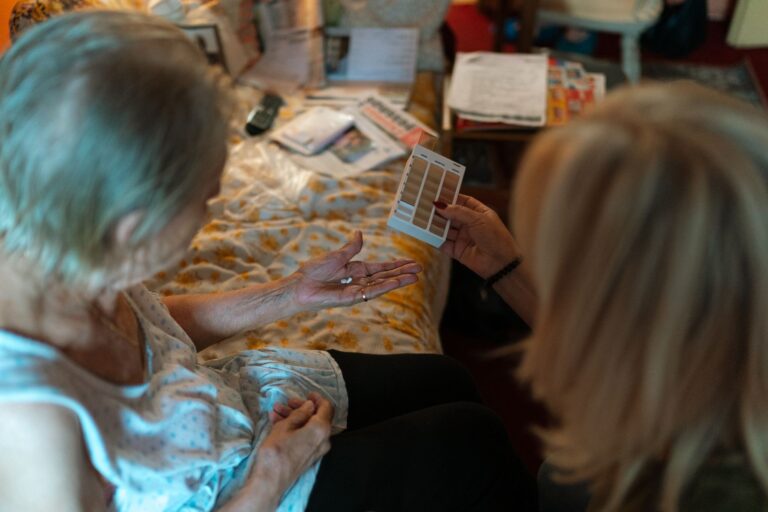
Yes, dementia can significantly strain sibling relationships—and research shows the effect is both widespread and measurable. When one parent develops dementia, siblings often find themselves negotiating care roles they’ve never discussed, managing disagreements about symptoms and treatment, and balancing caregiving demands with their own families and careers. Consider a typical scenario: one sibling believes a parent’s memory loss is “just normal aging,” while another recognizes signs of cognitive decline. One sibling carries the bulk of in-person care while others contribute sporadically.
These dynamics, multiplied across months or years of progressive illness, can fracture relationships that lasted a lifetime. The numbers reflect this reality. Nearly 4 in 10 extended families of older adults in the United States include a relative with dementia, meaning millions of sibling pairs are navigating this challenge right now. What makes this particularly difficult is that dementia caregiving is unlike other family crises—it’s not a single event but a prolonged, unpredictable journey with mounting complexity and emotional toll.
Table of Contents
- How Does Dementia Create Conflict Between Siblings?
- The Distribution Problem—Why Caregiving Tasks Tear Families Apart
- Sibling Bonds as Protective Factors—The Surprising Health Connection
- Communication as Prevention—What Works When Siblings Disagree
- Caregiver Burden and the Cascade of Conflict
- The Role of Gender and Generational Patterns
- Moving Forward—Building Resilience in Sibling Relationships
- Conclusion
How Does Dementia Create Conflict Between Siblings?
Disagreement about dementia symptoms is one of the clearest predictors of relationship strain. Research shows that siblings who reported minor disagreements about a parent’s behavioral and psychological symptoms experienced significantly higher caregiver burden than those in agreement. Major disagreements about depressive symptoms—which are common in dementia but often misunderstood—were associated with heightened burden and, by extension, increased interpersonal tension. These disagreements stem from several sources.
Siblings may have different levels of contact with the parent, leading to different impressions of symptom severity. One sibling might see the parent on weekends and witness clear confusion; another might speak by phone and hear only surface-level conversation, leaving them skeptical. Medical complexity adds another layer—is the parent’s irritability a behavioral symptom of dementia, a medication side effect, or a personality trait that’s always been there? Without clear answers, siblings can easily interpret each other’s caregiving choices as either overreacting or neglecting. Consider a family where one daughter visits daily and pushes for a dementia evaluation, while a son who lives farther away insists their parent is fine and just “getting older.” The daughter feels unsupported and frustrated; the son feels accused of negligence. Neither is wrong about what they’re observing, but the disagreement itself becomes a source of burden and conflict.

The Distribution Problem—Why Caregiving Tasks Tear Families Apart
One of the most consistently documented sources of sibling conflict is inequitable task distribution. When caregiving responsibilities are unevenly divided—when one sibling shoulders the emotional labor of medical appointments while another handles finances, or when one person provides daily hands-on care while others remain peripheral—tension escalates. The burden intensifies when inequitable task distribution directly interferes with work, family obligations, or leisure time. Research reveals a gendered pattern in this distribution: sisters typically assume case manager roles, often becoming the default coordinator who determines care needs and delegates tasks to siblings. While this can provide necessary organization, it also creates an unspoken hierarchy—the sister becomes the “responsible one,” while other siblings may feel directed or controlled.
Brothers sometimes take on discrete tasks (managing finances, handling legal documents) while sisters manage the ongoing emotional and logistical weight. This asymmetry rarely reflects intentional sexism; it emerges from old family patterns and assumptions about who “should” take charge. A critical limitation of this research is that task distribution is not inherently the problem—the problem is inequity. A sibling who takes on 80% of care while working full-time and raising children will burn out, regardless of how willingly they assumed the role. External support—hiring paid caregivers, bringing in home health aides, or coordinating with extended family—can redistribute the load and dramatically reduce burden. But this requires both money and agreement, which many families lack.
Sibling Bonds as Protective Factors—The Surprising Health Connection
Here’s a finding that reframes the conversation entirely: having living siblings in later life is associated with lower odds of dementia onset itself, with a stronger protective effect in women than in men. This research, from the Health and Retirement Study, suggests that sibling relationships—when they’re healthy—may act as a cognitive and emotional buffer against dementia risk. The mechanism isn’t fully understood, but researchers speculate that ongoing sibling relationships provide cognitive stimulation, emotional support, sense of purpose, and reduced isolation—all factors linked to brain health.
Conversely, the loss of two or more siblings was associated with higher odds of dementia onset in later life, suggesting that major losses within a sibling group increase vulnerability. This protective effect carries an important caveat: it appears contingent on the quality of the relationship. A sibling relationship marked by conflict, betrayal, or emotional distance may offer less protection—or even increase stress, which is a known dementia risk factor. The implication is that siblings who invest in their relationships, even during healthy years, are making a health investment in each other.
Communication as Prevention—What Works When Siblings Disagree
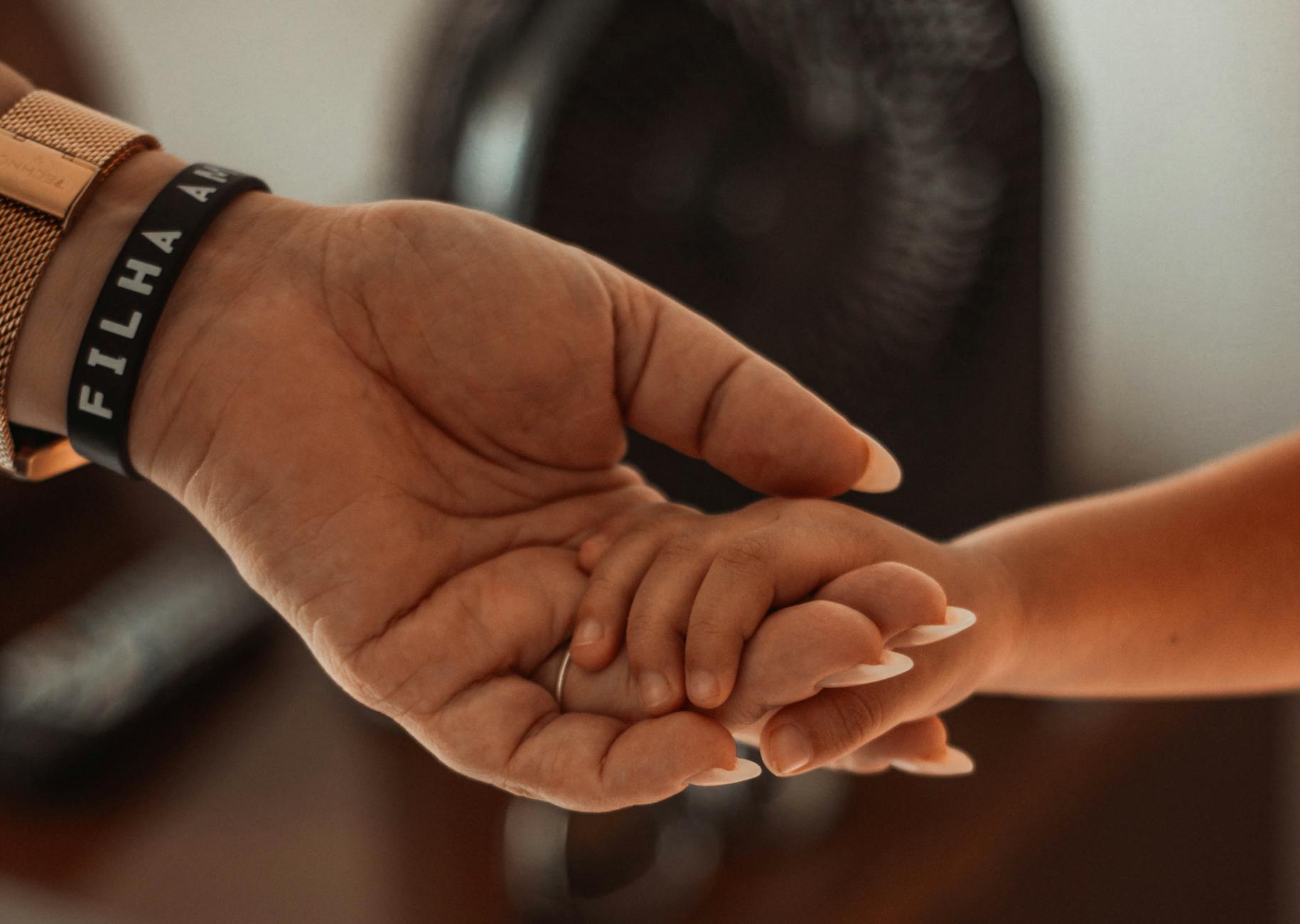
Research consistently identifies open communication as critical to managing sibling relationships during dementia caregiving. Siblings who communicate honestly and early—ideally before a dementia diagnosis, when discussing aging and care preferences—report higher satisfaction and lower conflict even when caregiving demands are substantial. Ongoing communication about disagreements, as uncomfortable as it may be, helps address inequalities and dissatisfaction before they harden into resentment. Effective communication in this context looks like specific, scheduled conversations rather than reactive arguments in crisis moments. Some families benefit from a neutral facilitator—a social worker, counselor, or geriatric care manager—who can help siblings discuss care goals without each person feeling blamed.
Others find that putting agreements in writing (even informally) clarifies expectations and reduces later disputes about who agreed to do what. The tradeoff is real: these conversations require time, emotional vulnerability, and willingness to hear criticism. Many siblings avoid them precisely because they’re uncomfortable. But families who navigate this discomfort early typically experience far less strain later. Those who avoid the hard conversation often find themselves in crises—a hospitalization, a crisis admission to care—where decisions are made in panic rather than deliberation.
Caregiver Burden and the Cascade of Conflict
When one sibling carries the bulk of caregiver burden, the relationship dynamic often shifts from partnership to resentment. The primary caregiver may begin viewing other siblings as uninvested or selfish, while other siblings may feel guilt, defensiveness, or frustration at what they perceive as the primary caregiver’s expectations or control. This psychological tension compounds the physical and emotional toll of caregiving itself. Research on sibling caregivers shows that burden decreases significantly when other family members and paid caregivers provide active support. This support can take many forms: one sibling taking on medical appointments while another handles finances; parents funding a cleaning service so the primary caregiver isn’t managing housework; one sibling providing respite care once a week.
But here’s the limitation: families must actively create these support structures. They rarely emerge automatically. A warning worth highlighting: without intentional redistribution of care, sibling relationships can collapse entirely. Some siblings withdraw from involvement, not out of indifference but out of feeling powerless or blamed. Others double down on involvement but resent doing so. The primary caregiver, meanwhile, may burn out—jeopardizing not only their own health but their ability to provide good care to the parent.

The Role of Gender and Generational Patterns
Gender shapes sibling caregiving in predictable but often unexamined ways. Sisters, particularly adult daughters, are far more likely to assume caregiving roles for aging parents with dementia. This reflects both cultural expectations and practical realities—women often have more flexibility in work, or more willingness to prioritize family care. But it also means sisters inherit the emotional labor of coordinating care, even when brothers are willing to contribute.
A specific example: in many families, the eldest daughter becomes the de facto project manager for the parent’s care, fielding calls from doctors, managing medications, and organizing visits from siblings. Meanwhile, a brother might contribute financially or handle specific tasks but defer to the sister’s overall authority. This can work smoothly if the sister welcomes the role and receives appreciation. But if the sister feels burdened and unsupported, resentment builds quickly—and brothers may not even realize their sister is drowning in responsibility.
Moving Forward—Building Resilience in Sibling Relationships
The prognosis for sibling relationships during dementia caregiving is not predetermined. Families who prioritize communication, redistribute tasks equitably, and seek external support maintain stronger bonds even under substantial stress.
Some siblings describe their parent’s dementia diagnosis as an unexpected opportunity to deepen relationships—to show up for each other in ways they hadn’t before, and to understand what their sibling is actually carrying. The research suggests that the most resilient sibling relationships during dementia caregiving share a few markers: explicit discussion of care roles and expectations; regular check-ins about how the arrangement is working; willingness to adjust as circumstances change; and commitment to appreciating each other’s contributions, however different they look.
Conclusion
Dementia can strain sibling relationships profoundly, but the research makes clear that this outcome is not inevitable. The degree of strain depends largely on how siblings communicate, distribute care responsibilities, and support one another.
Disagreements about symptoms, inequitable task distribution, and unspoken assumptions about gender roles are predictable sources of conflict—but they are also factors that siblings can actively manage. If you’re navigating dementia caregiving with siblings now, the evidence points to three concrete steps: communicate early and often about care expectations and disagreements; ensure that caregiving tasks are distributed equitably and that the distribution evolves as circumstances change; and actively bring in external support—whether paid caregivers, family, or professional mediators—to reduce the burden on any single sibling. The goal is not to eliminate all disagreement, but to prevent disagreement from becoming the defining feature of your relationship.
You Might Also Like
- Can Dementia Change Relationships?
- Can Physical Therapy Help Dementia Patients Stay Mobile?
- Can Geriatricians Manage Dementia Care?
For more, see Alzheimer’s Association — clinical trials.