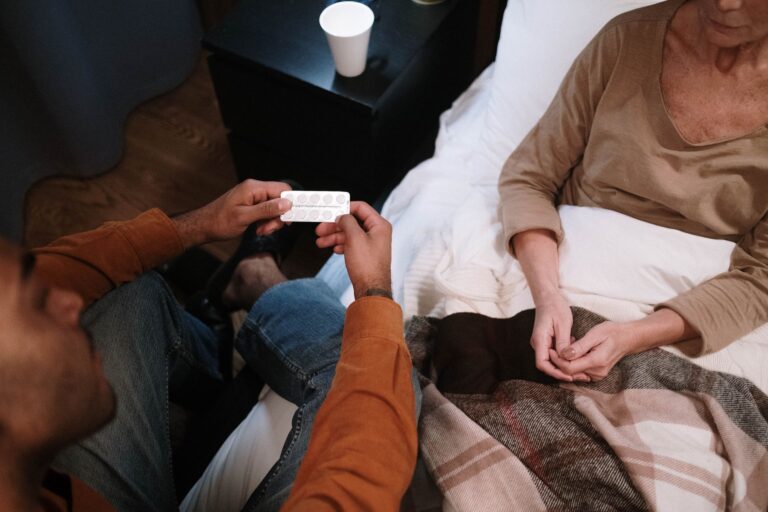
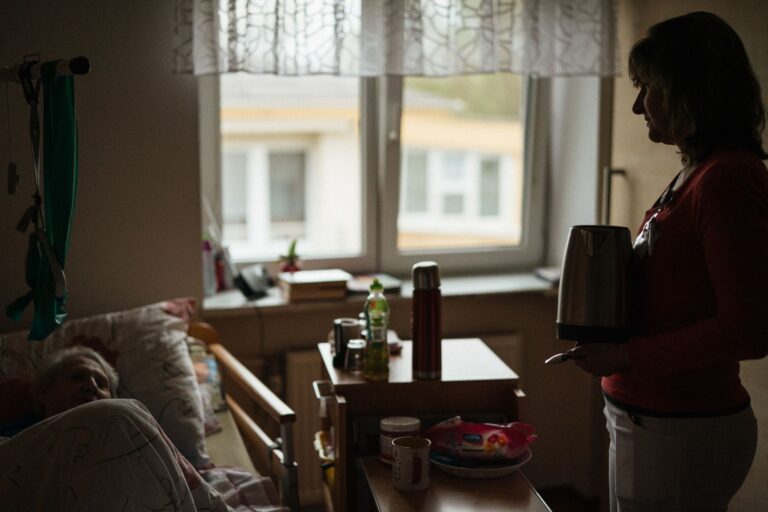
Yes, New York's Consumer Directed Personal Assistance Program (CDPAP) can pay a family member to provide dementia caregiving. An adult child, sibling, grandchild or friend can serve as the paid personal assistant. CDPAP lets the Medicaid recipient hire and direct their own helper, rather than using an agency aide. For dementia care, that means a trusted person can give daily support at home.
Medical information disclaimer: This article is for general educational purposes only and does not provide medical advice, diagnosis, or treatment. Always consult a physician or other qualified health professional about symptoms, medications, tests, or treatment decisions.
Table of Contents
- Which family members can be paid?
- What must the person with dementia show?
- What if dementia affects self-direction?
- How are caregivers hired and paid?
Which family members can be paid?
According to Caring Professionals, an adult child, sibling, grandchild, in-law, friend or cohabiting relative may serve as the assistant. A parent may be paid only for an adult child age 21 or older. Read the Caring Professionals guide for the family rules. Caring Professionals also lists three exclusions.
A spouse cannot be the paid assistant. A parent of a child under 21 and the consumer's current designated representative also cannot fill that paid role. In practice, one daughter might manage hiring and schedules as representative. Then a son, sister or friend provides the paid hands-on care.
What must the person with dementia show?
ProLife Home Care, in its medically reviewed eligibility summary, says the recipient must have active New York Medicaid, a physician's order for home care, a stable medical condition, and an assessment confirming need through the New York Independent Assessor. See the ProLife Home Care eligibility review for those requirements. Since Sept.
1, 2025, new adult applicants must also meet a Minimum Needs Requirement. The NY Department of Health sets a lower path for dementia or Alzheimer's: supervision with more than one daily activity, rather than limited help with physical maneuvering in more than two activities. See the NY Department of Health minimum-needs policy for that distinction.
- active New York Medicaid
- physician's order for home care
- stable medical condition
- assessed need through the New York Independent Assessor
What if dementia affects self-direction?
A person with dementia who cannot self-direct may still use CDPAP through a designated representative. Caring Professionals explains that this person hires, schedules and approves hours for the assistant. That representative then cannot also be the paid aide.
Families should pick a representative who does not need the wages, then choose a separate paid caregiver. This split protects the recipient when memory, judgment or communication decline. The representative manages the arrangement, while the paid assistant gives consistent daily help.
How are caregivers hired and paid?
Since April 1, 2025, Public Partnerships LLC, called PPL, is New York's sole statewide fiscal intermediary. The NY Department of Health says PPL registers caregivers and processes timesheets and wages. Details appear in the NY Department of Health MLTC Policy 25.03.
ProLife Home Care notes that assistants need no nursing license or aide certification. The consumer or representative trains them for the person's needs. Pay covers only Medicaid-authorized hours, so track time carefully and stay within the approved plan.