CBD oil may offer some relief from certain dementia symptoms — particularly agitation and anxiety — but it cannot stop, reverse, or prevent dementia itself. That is the clearest summary of where the research currently stands. Several clinical trials have shown measurable reductions in agitation scores among Alzheimer’s patients, and at least one randomized controlled trial found that patients taking a low-dose THC-CBD combination performed significantly better on cognitive assessments than those on placebo.
For a family caregiver watching a loved one become distressed and combative in the evening hours — a phenomenon known as sundowning — these findings are meaningful, even if the overall evidence base remains limited. This article walks through what the clinical trials have actually found, what preclinical laboratory research suggests about CBD’s effect on Alzheimer’s-related brain changes, and what experts and institutions like the Alzheimer’s Society currently recommend. It also covers practical considerations for families thinking about CBD oil as part of a dementia care plan, including what the open questions still are and why researchers caution against treating current findings as a green light for widespread use.
Table of Contents
- What Does the Research Say About CBD Oil and Dementia Symptoms?
- What Did Clinical Trials Find About Agitation and Behavioral Symptoms?
- What Does Preclinical Research Show About CBD and Alzheimer’s Brain Changes?
- What Are Researchers and Institutions Currently Investigating?
- What Are the Risks and Unknowns for Dementia Patients Specifically?
- What Does the Alzheimer’s Society Say About CBD and Dementia?
- Where Is the Research Headed?
- Conclusion
- Frequently Asked Questions
What Does the Research Say About CBD Oil and Dementia Symptoms?
The honest answer is that the research says something, but not enough. Multiple systematic reviews have described the available evidence as “inconclusive and insufficient,” and most trials conducted to date have been small, short in duration, or methodologically limited. That caveat matters, because it means the positive signals coming out of some studies need to be held carefully — they are promising leads, not established treatments. That said, the positive signals are real. A 2022 placebo-controlled randomized controlled trial published in Frontiers in Medicine found that rich-CBD oil may alleviate agitation in older patients with dementia.
An eight-week open-label trial using a high-CBD, low-THC sublingual solution reported that study partners observed anxiety symptom reductions ranging from 29% to 100% across participants. These are not uniform results — the wide range in that last figure reflects genuine variability among patients — but the direction of effect is consistent across several studies. The distinction between behavioral symptoms and the underlying disease is crucial here. Dementia involves the progressive loss of neurons and the accumulation of damaging proteins in the brain. CBD does not appear to address that underlying process in humans, at least not based on current clinical evidence. What it may do is reduce the distress, agitation, and anxiety that often accompany dementia — symptoms that are among the hardest for caregivers to manage and that significantly affect quality of life for patients.

What Did Clinical Trials Find About Agitation and Behavioral Symptoms?
The most compelling human trial data to date comes from two studies published in 2024. In October 2024, Johns Hopkins Medicine reported results from a clinical trial in which Alzheimer’s patients received 5mg of dronabinol — a synthetic form of THC — twice daily for three weeks. Compared to placebo, the treatment group showed an average 30% decrease in agitation scores. That is a clinically meaningful reduction, and the study design — randomized, placebo-controlled — lends it credibility. The second key 2024 study was a 26-week randomized controlled trial published on PubMed, involving patients aged 60 to 80. Participants in the cannabis-treated group scored significantly higher on the Mini-Mental State Exam compared to those receiving placebo.
The researchers described it as the first human clinical trial to suggest that CBD may help with the behavioral and psychological symptoms of dementia. A 26-week duration is longer than most cannabinoid trials, which makes the findings more robust, though the sample size was still limited. However, a critical limitation applies to both studies: they involved THC or THC-CBD combinations, not CBD alone. Many people specifically interested in CBD oil are drawn to it precisely because it lacks THC’s psychoactive effects. The research suggesting cognitive or behavioral benefits often involves some THC component, which means the evidence is not cleanly transferable to CBD-only products. Families and clinicians considering cannabinoids for dementia care need to pay close attention to the specific formulation being studied, because “CBD oil” covers a wide range of products with very different cannabinoid profiles.
What Does Preclinical Research Show About CBD and Alzheimer’s Brain Changes?
While human clinical trials test symptoms, laboratory and animal studies probe the underlying biology. A 2021 report highlighted by ScienceDaily found that two weeks of high-dose CBD treatment in a mouse model of early-onset familial Alzheimer’s disease restored function of proteins responsible for clearing beta-amyloid plaques from the brain — one of the hallmark features of Alzheimer’s — and improved cognition in those animals. That is a striking finding, but mice are not people, and high-dose animal studies frequently fail to replicate in human trials. A more recent 2025 study published in Frontiers in Aging Neuroscience examined CBD treatment and age-related cognitive decline in C57 mice, a standard laboratory strain used in aging research. The research contributes to a growing body of preclinical work exploring how cannabinoids interact with the aging brain.
Taken together, these animal studies suggest biological plausibility — there are mechanisms by which CBD could theoretically influence Alzheimer’s pathology. But biological plausibility is not clinical efficacy. The gap between preclinical promise and human benefit is where many potential Alzheimer’s treatments have stalled over decades of research. Dozens of compounds that cleared amyloid plaques in mice did not work in human trials. This does not mean CBD will follow the same path, but it is the appropriate context for interpreting animal research. The preclinical findings justify continued investigation; they do not justify clinical recommendations.
What Are Researchers and Institutions Currently Investigating?
The research pipeline is active. King’s College London is currently conducting a trial of a cannabinoid mouth spray aimed at reducing agitation and aggression in a small cohort of Alzheimer’s patients. The spray format is notable because it allows for more precise dosing than many over-the-counter CBD oils, which vary considerably in actual cannabinoid content. A registered trial listed at alzheimers.gov is also studying cannabidiol oil specifically for agitation in Alzheimer’s disease. These ongoing trials reflect a shift in focus toward behavioral symptoms rather than disease modification. Researchers appear to be pursuing the more achievable near-term goal: not curing dementia, but reducing the suffering that accompanies it.
Agitation, in particular, is a major driver of caregiver burnout, emergency room visits, and premature nursing home placement. If cannabinoids can safely reduce agitation, that would be a significant practical contribution even without any effect on underlying progression. The tradeoff in current trials is scope versus rigor. Larger trials take longer, cost more, and require more patients — but small trials produce results that are difficult to generalize. The King’s College London trial, for example, involves a small cohort, which limits how broadly its findings can be applied. The field needs what researchers consistently call for: larger, longer trials. Until those exist, the evidence base will remain incomplete, even if individual studies continue to show encouraging signals.
What Are the Risks and Unknowns for Dementia Patients Specifically?
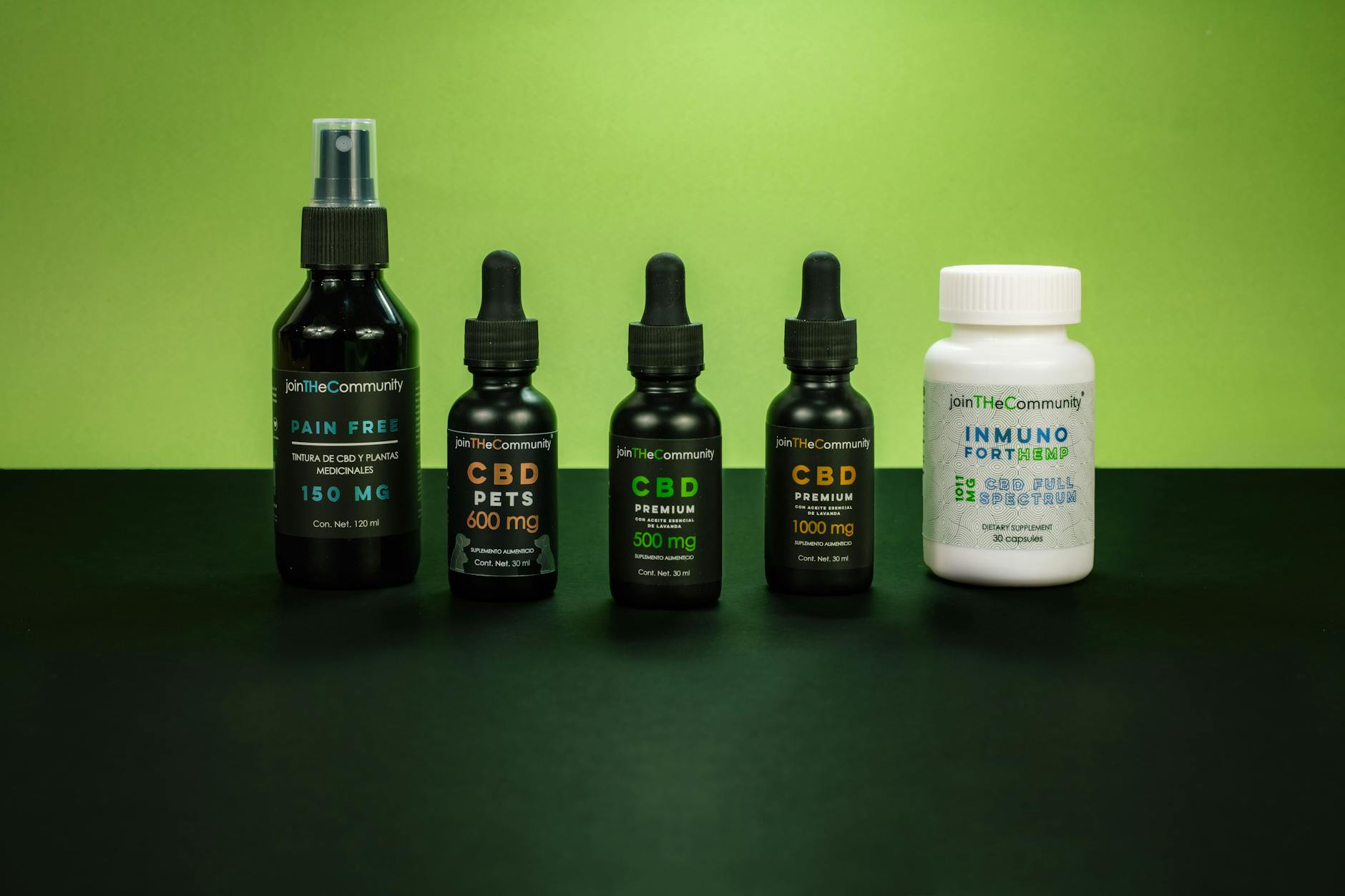
Older adults with dementia are not a typical clinical population. They often take multiple medications, have impaired kidney or liver function affecting drug metabolism, and may not be able to communicate side effects clearly. CBD interacts with the cytochrome P450 enzyme system in the liver, which processes many common medications including blood thinners, antiseizure drugs, and some antidepressants. For a person already on a complex medication regimen, adding CBD oil without medical supervision carries real risk. There is also significant variability in commercial CBD products.
A product labeled as containing 25mg of CBD per serving may contain more or less than that amount, and may contain trace amounts of THC that are not fully disclosed. Studies showing benefit use pharmaceutical-grade formulations with verified concentrations; the over-the-counter market operates under far looser standards. The gap between the CBD oil used in a clinical trial and the one available at a local pharmacy or online retailer can be substantial. A further warning: CBD’s sedative properties, which may help with agitation, can also increase fall risk in older adults — already a leading cause of injury and hospitalization in people with dementia. A person who is less agitated but also less steady on their feet may be trading one risk for another. This is not an argument against ever using CBD, but it underscores why the decision should involve a physician familiar with the patient’s full health picture, not just a label claim.

What Does the Alzheimer’s Society Say About CBD and Dementia?
The Alzheimer’s Society in the UK has taken a measured position: CBD may help manage behavioral symptoms like agitation and anxiety in people with dementia, but it cannot treat dementia itself and should not be presented as a disease-modifying therapy. That framing aligns with the clinical trial data, which consistently shows effects on behavioral symptoms while showing no evidence of halting or reversing neurodegeneration.
The Society’s guidance reflects the practical reality that many caregivers are already turning to CBD products out of desperation or hope, often without discussing it with a physician. Their stance is not dismissive of the emerging evidence, but it is honest about its limits. For families making real-time decisions about care, that distinction — between symptom management and disease treatment — is the most important thing to hold onto when reading headlines about CBD and dementia.
Where Is the Research Headed?
The trajectory of cannabinoid research in dementia care is toward more rigorous, larger trials. The question researchers are trying to answer is no longer simply whether CBD or THC-CBD combinations have any effect, but which formulations, at what doses, for which symptoms, in which patient populations, are both safe and effective.
That is a more sophisticated question than it was five years ago, and the fact that it is being asked reflects genuine scientific progress. What is still missing is the large-scale, long-duration randomized controlled trial that could settle the question of safety and efficacy with enough confidence to inform clinical guidelines. Until that evidence exists, cannabinoids for dementia symptoms remain in the category of promising but unproven — used by some patients with apparent benefit, studied seriously by researchers, but not yet ready for standard-of-care recommendations.
Conclusion
CBD oil and related cannabinoid products show genuine promise for managing certain dementia symptoms, particularly agitation and anxiety, based on a growing body of clinical trial data. The 2024 Johns Hopkins dronabinol trial, the 26-week THC-CBD randomized controlled trial, and earlier work on CBD-specific formulations all point in the same direction: there may be meaningful symptom relief available through cannabinoids, even if the effect varies by patient and formulation. At the same time, no evidence supports the idea that CBD can slow, stop, or reverse dementia, and the overall evidence base is still described as inconclusive by researchers and major institutions alike.
For families navigating dementia care, the most grounded approach is to treat CBD oil as a potential tool for symptom management — one worth discussing seriously with a physician, not one to pursue independently based on marketing claims. The research is moving, more trials are underway, and the next few years may produce the larger, more definitive studies the field needs. In the meantime, realistic expectations, medical supervision, and attention to product quality are the practical guardrails that separate thoughtful use from wishful thinking.
Frequently Asked Questions
Can CBD oil stop or reverse dementia?
No. There is currently no evidence that CBD can stop, reverse, or prevent the progression of dementia. The research that exists focuses on symptom management — particularly behavioral symptoms like agitation and anxiety — not on the underlying neurodegeneration.
What symptoms might CBD oil help with in dementia patients?
The most consistent evidence points to agitation and anxiety. Multiple trials, including a 2022 placebo-controlled RCT and an eight-week open-label trial, found reductions in agitation and anxiety symptoms. Some trials have also shown effects on overall behavioral and psychological symptoms of dementia.
Is there a difference between CBD-only products and THC-CBD combinations?
Yes, and it matters. Several of the most promising trials used THC-CBD combinations or synthetic THC (dronabinol), not CBD alone. Products marketed as “CBD oil” vary widely in their cannabinoid content. The research findings from combination products cannot be directly applied to CBD-only formulations without further study.
Are there risks to giving CBD oil to someone with dementia?
Yes. CBD interacts with many common medications through liver enzymes, which is a concern for older adults on multiple drugs. CBD’s sedative effects may increase fall risk. Commercial CBD products also vary significantly in actual cannabinoid concentration. Medical supervision is strongly recommended before starting any cannabinoid product.
What do major dementia organizations say about CBD?
The Alzheimer’s Society in the UK acknowledges that CBD may help manage behavioral symptoms like agitation and anxiety, but emphasizes that it cannot treat dementia itself. Researchers broadly agree that larger, longer trials are needed before cannabinoids can be considered a standard therapy.
Is there ongoing research into CBD and dementia?
Yes. King’s College London is running a trial of a cannabinoid mouth spray for agitation in Alzheimer’s patients, and a trial specifically studying cannabidiol oil for agitation is registered at alzheimers.gov. Research is also continuing in preclinical models exploring how CBD affects amyloid plaques and age-related cognitive decline.