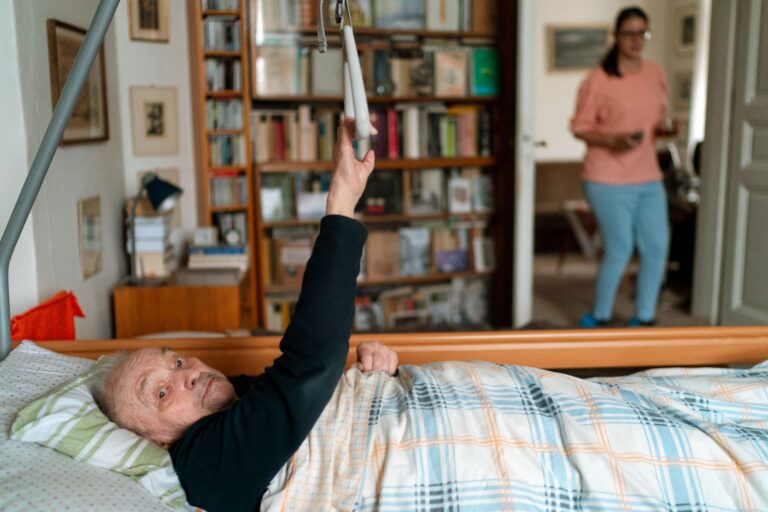
Yes, cataract surgery can improve quality of life for people with dementia, but the benefits depend on the individual’s cognitive stage, overall health, and ability to tolerate the surgery and recovery process. When a person with dementia has cataracts, the clouding of the lens compounds existing vision problems and can trigger more severe confusion, anxiety, and withdrawal—a 76-year-old man with mild cognitive impairment began refusing meals and became agitated during afternoon hours because cataracts made the dining room lighting harsh and disorienting; after surgery, his behavior stabilized and he regained interest in activities he had abandoned months earlier. The decision to pursue surgery is not simple because dementia patients face real surgical risks, require specialized anesthesia management, and may struggle with post-operative care and eye drops—but for many, restoring clearer vision unlocks tangible improvements in independence, mood, and engagement with caregivers.
Table of Contents
- How Do Cataracts and Dementia Interact to Worsen Vision and Behavior?
- The Real Risks and Barriers to Surgery for Dementia Patients
- What Improvements Do People Actually See After Cataract Surgery?
- How to Prepare a Dementia Patient for Cataract Surgery and Recovery
- Complications to Watch for After Surgery and When to Escalate Concerns
- When Surgery Is Not an Option: Managing Cataracts Without Surgery
- Working with Your Medical Team to Decide Whether Surgery Is Right
- Frequently Asked Questions
How Do Cataracts and Dementia Interact to Worsen Vision and Behavior?
Cataracts and dementia create a compounding problem. Dementia already disrupts the brain’s ability to process and interpret visual information accurately; add cataracts—which scatter light and reduce contrast—and a person’s confusion intensifies dramatically. The brain gets less clear information to work with, which exhausts cognitive reserves and triggers anxiety, agitation, or withdrawal as a coping response.
This is not simply about blurry vision; it is about losing the visual cues that ground people in their environment. A woman with moderate dementia who experienced cataracts reported difficulty recognizing her own caregiver until the person was directly in front of her, even in good lighting; this made the caregiver feel rejected and made the patient feel unsafe. Vision loss also increases fall risk and medication errors—if a person cannot read pill bottles or see the edge of a step clearly, the stakes of poor vision are immediate and serious.
The Real Risks and Barriers to Surgery for Dementia Patients
Cataract surgery in dementia patients carries genuine risks that demand honest discussion. General anesthesia or deep sedation, standard during cataract procedures, can trigger delirium, a temporary but severe acute confusion that terrifies both patient and caregiver—post-operative delirium can last hours to days and may be mistaken for dementia progression.
Surgeons often recommend local anesthesia with a light sedative instead, but this requires the patient to hold still, follow instructions (“look at the red light”), and tolerate an unfamiliar and frightening environment, which is extremely difficult for someone with advanced dementia. Recovery is also demanding: patients must use prescribed eye drops four times a day for weeks, avoid rubbing their eyes, keep a post-op shield on at night, and attend follow-up appointments—a caregiver managing multiple medications and behavioral issues may struggle to maintain this regimen, and missed drops increase infection risk. If the caregiver misses drops or the patient removes the shield, the surgical benefit can be lost to infection or inflammation.
What Improvements Do People Actually See After Cataract Surgery?
When surgery succeeds, the gains are often striking. Vision improves within days to weeks, and people report seeing colors more vividly, reading large print without strain, and recognizing faces across a room.
A 72-year-old woman with early Alzheimer’s had become isolated and refused to leave her bedroom because the world looked dim and threatening through cataracts; three weeks after surgery, she began gardening again, joined a senior center, and reengaged with her family—not because her dementia improved, but because she could see well enough to move confidently and participate in activities. Improved vision also reduces caregiver stress; when a person can see clearly, they need fewer reminders, make fewer mistakes, and trigger fewer safety interventions. Some people also show measurable improvements in mood and reduced anxiety, though this is individual—better vision does not cure dementia, but it can restore a person to their baseline functioning before the cataracts developed, and for someone in early-stage dementia, that baseline matters enormously.
How to Prepare a Dementia Patient for Cataract Surgery and Recovery
Successful surgery requires careful preparation. First, time the surgery strategically: early-stage dementia is the ideal window because the patient can understand basic pre-operative instructions and tolerate recovery demands more reliably than someone in advanced stages. Pre-operative visits with the surgeon should include a caregiver who can ask questions and understand post-operative care; write down all instructions because verbal-only explanations are often forgotten.
Consider scheduling surgery when a consistent caregiver can be present for at least the first two weeks of recovery, including all post-operative appointments. Use a pill organizer or phone reminders to ensure eye drops are given on time—many caregivers use a 4x daily alarm or set drops at meal times (breakfast, lunch, dinner, bedtime) to anchor the schedule. Discuss anesthesia options with the surgeon and anesthesiologist well in advance; some centers have protocols to minimize delirium risk, such as using lower-dose sedation or preparing the operating room as a calm environment. Visit the surgical center beforehand if possible so the patient sees the space during a calm moment, not for the first time on surgery day.
Complications to Watch for After Surgery and When to Escalate Concerns
Post-operative complications in dementia patients are harder to detect because the patient may not report pain, irritation, or vision changes clearly. Watch for signs of infection (increasing redness, discharge, warmth around the eye, swelling), corneal abrasion (feeling of something in the eye, sensitivity to light, tears), or inflammation (haziness that worsens rather than improves over days).
A person with dementia might simply become increasingly agitated or withdrawn if something is wrong, rather than saying “my eye hurts”—interpret behavioral changes as potential warning signs and call the surgeon immediately rather than waiting for a scheduled appointment. Posterior capsular opacification can develop weeks or months later, causing vision to cloud again; this is treatable with a quick laser procedure, but a dementia patient may not notice or report this decline until quality of life dips noticeably. Avoid relying on the patient to communicate vision changes; instead, observe their engagement in daily activities as a proxy for vision quality—if they stop reading, lose interest in faces, or begin bumping into things again, report this to the eye care team even if the eye itself looks normal externally.
When Surgery Is Not an Option: Managing Cataracts Without Surgery
Not every dementia patient is a candidate for surgery, and that does not mean vision cannot be improved. Bright, glare-free lighting can reduce the impact of cataracts; replace harsh overhead lights with soft ambient lighting and task lights, and add an anti-glare screen to windows. High-contrast environments help—dark furniture on light floors, dark text on white paper, clear color labels on medication bottles.
Magnification tools (magnifying glasses, large-print books, screen magnifiers on computers) help people with cataracts see better without surgery. Some people benefit from tinted glasses that reduce light scatter and glare; an optometrist can recommend appropriate tints. While these adaptations do not restore clear vision, they can meaningfully improve function and comfort when surgery is not medically appropriate or when a patient or family chooses to defer surgery.
Working with Your Medical Team to Decide Whether Surgery Is Right
The decision to pursue cataract surgery is made in partnership with the ophthalmologist, the primary care doctor, and the family. Bring a comprehensive list of current medications and medical conditions because some heart conditions, bleeding disorders, or medications complicate surgery and anesthesia. Discuss the patient’s dementia stage and behavioral baseline so the surgeon can realistically assess the patient’s ability to tolerate the procedure and post-operative regimen.
If the patient is unable to hold still for surgery or follow basic instructions, the surgeon may recommend deferring surgery until the person is in a more stable stage, or exploring sedation options that work better for dementia—there is no one-size-fits-all approach. Ask about the surgeon’s experience with dementia patients and request a detailed explanation of what the recovery will look like in practical terms: how often eye drops are needed, what driving or activity restrictions apply, and how long until the eye heals fully. If surgery is pursued, confirm that your surgical center has protocols to minimize post-operative delirium, such as avoiding excessive sedation and preparing a calm operating environment, and ensure you understand how to reach the surgeon with concerns in the hours and days after surgery.
Frequently Asked Questions
Can cataract surgery slow down dementia or improve cognitive function?
No. Cataract surgery improves vision, not cognitive decline. It does not stop or reverse dementia, but by restoring clearer sight, it can help a person function closer to their baseline abilities before vision loss occurred.
At what stage of dementia is cataract surgery safest?
Early-stage dementia is generally safest because patients can understand basic instructions, tolerate medical appointments, and comply with post-operative care like eye drops. Advanced dementia carries higher risks of delirium, inability to follow instructions, and difficulty managing recovery.
What if my loved one has already had one eye done—should we do the other eye?
Many people benefit from surgery on both eyes for balanced vision, but this is individual. Discuss with the surgeon whether doing one eye at a time is safer and allows you to assess recovery before proceeding to the second eye.
Can my family member wear a contact lens or glasses instead of having surgery?
Thick glasses or contacts can reduce cataracts’ impact, but they do not remove the lens clouding. For many dementia patients, consistent use of glasses is difficult, and the improvement is limited compared to surgery. Surgery is permanent, while glasses require daily management.
How long does it take to see improvements after cataract surgery?
Vision often improves noticeably within the first week and continues to improve over 4 to 6 weeks. Eye drops and post-operative restrictions typically last 2 to 4 weeks depending on the eye.
What should I do if my parent becomes agitated or confused after surgery?
Some post-operative confusion (delirium) is common and usually temporary. Contact your surgeon immediately if agitation worsens, if the eye becomes red or warm, or if vision does not improve over the first few days. Do not assume all confusion is permanent dementia progression.