Reviewed by the Help Dementia Editorial Team — our editors review every article for accuracy against guidance from the National Institute on Aging, the Alzheimer’s Association, and peer-reviewed sources.
Better hearing sits at the center of this dementia and brain health question.
Yes, better hearing support can meaningfully improve both social connection and memory, particularly for people with hearing loss or cognitive decline. Research demonstrates that untreated hearing loss accelerates cognitive decline and isolates people from social interaction, while hearing aids and other hearing support interventions restore both connection and cognitive function. When someone can hear conversations clearly, they engage more actively in social settings, which strengthens memory formation and slows neurological decline associated with dementia.
The connection works through several pathways: hearing loss forces the brain to expend enormous energy processing incomplete auditory information, leaving fewer cognitive resources for memory and attention. A 65-year-old with untreated hearing loss may experience cognitive decline equivalent to someone 10 years older. Meanwhile, when hearing is restored through aids or cochlear implants, people rejoin conversations at family dinners, maintain friendships, and participate in activities that exercise memory and cognitive reserves—the protective factors that slow or prevent dementia progression.
Table of Contents
- How Does Hearing Loss Impact Memory and Cognitive Function?
- The Relationship Between Social Isolation and Memory Decline
- Real-World Examples of Improved Connection Through Better Hearing
- Choosing Hearing Support Options: Tradeoffs and Considerations
- Common Barriers to Getting and Using Hearing Support
- Hearing Loss and Dementia Prevention: What the Research Shows
- Future Directions: Emerging Hearing Technologies and Brain Health
- Conclusion
How Does Hearing Loss Impact Memory and Cognitive Function?
Hearing loss doesn’t just make conversations harder—it depletes cognitive capacity that would otherwise support memory. The brain requires significant effort to fill in auditory gaps and predict what someone is saying, a process called “effortful listening.” Over time, this constant cognitive load accelerates the neurological changes associated with memory decline and dementia. Studies from Johns Hopkins University found that older adults with untreated hearing loss experienced faster rates of cognitive decline compared to those with normal hearing, and that hearing aid users showed cognitive performance closer to peers without hearing loss.
The mechanism works at a neurological level. The auditory cortex (the brain region that processes sound) has extensive connections to the hippocampus and prefrontal cortex—areas crucial for memory formation and retrieval. When hearing loss starves these regions of input, they can atrophy. A specific limitation: hearing aids and cochlear implants restore sound input, but they don’t instantly restore auditory processing capacity; people often report that conversations feel clearer within weeks, but the cognitive benefits in memory tasks may take months to become apparent as the brain recalibrates.
The Relationship Between Social Isolation and Memory Decline
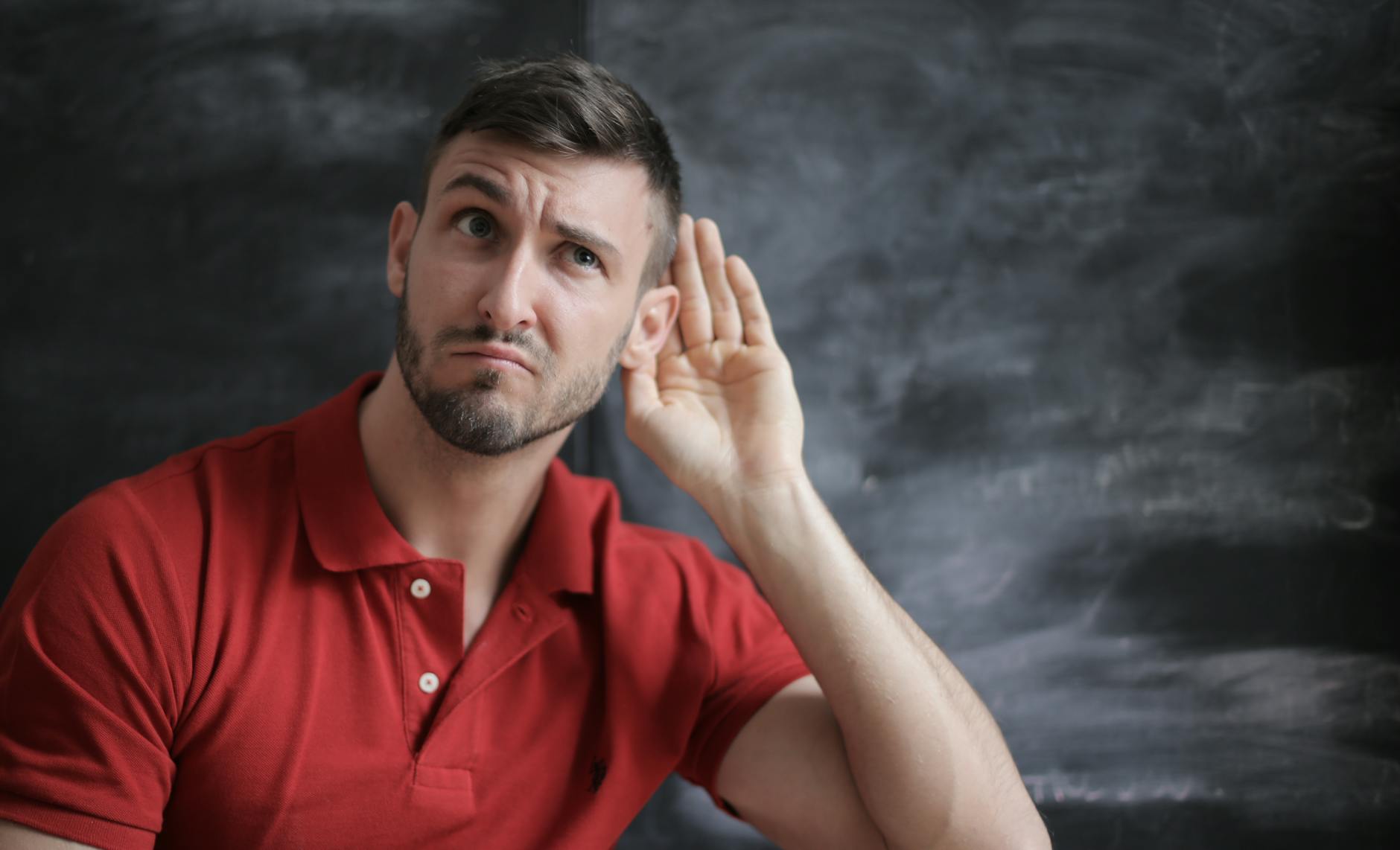
Untreated hearing loss is one of the strongest predictors of social withdrawal in older adults. A person who struggles to hear may stop attending book clubs, family gatherings, or religious services—not because they’ve lost interest, but because the social environment feels exhausting and frustrating. This withdrawal creates a vicious cycle: isolation reduces cognitive stimulation, which accelerates memory decline, which further reduces confidence in social settings. Research shows that socially isolated older adults are at significantly higher risk for developing dementia and experiencing faster cognitive decline.
The relationship between social connection and memory is well-established. Conversations, shared activities, and emotional connection all activate and strengthen memory networks. When someone with hearing loss returns to social participation after receiving hearing aids, they’re not just hearing better—they’re re-engaging with the cognitive activities and emotional experiences that protect brain health. A caution: the benefit isn’t automatic. Someone who receives hearing aids but doesn’t actively rebuild social connections may not see the full cognitive benefit; hearing support is a necessary condition for re-engagement, not a sufficient one on its own.
Real-World Examples of Improved Connection Through Better Hearing
Consider Margaret, a 72-year-old with early-stage mild cognitive impairment. After she developed moderate hearing loss, she withdrew from her book club of 15 years because she couldn’t follow discussions. Her family noticed her memory complaints worsening—she forgot books she’d read, couldn’t recall details of conversations. When she got hearing aids, attending book club again transformed her life. Within three months, her cognitive test scores improved slightly, and her family reported she seemed more engaged, retained more information about daily events, and showed better emotional connection.
The hearing aids didn’t cure her cognitive issues, but they restored her access to the cognitive exercise and social meaning that had previously protected her brain. Another example: James, a 68-year-old stroke survivor with hearing loss, became isolated in assisted living. He missed family dinners and activities because he couldn’t hear. Six months after cochlear implant surgery, he was participating in card games, asking questions during activities, and his family reported his memory for recent events was noticeably sharper. He was tracking family news and remembering details that his hearing loss had prevented him from encoding in the first place.

Choosing Hearing Support Options: Tradeoffs and Considerations
Several types of hearing support exist, each with different tradeoffs. Hearing aids are the most common; they’re less invasive than surgery but require daily use, adjustment, and acceptance of device visibility. Cochlear implants require surgery but can provide more dramatic hearing restoration, though they involve an extended adjustment period and may not be suitable for everyone (certain types of hearing loss, unstable health, cognitive limitations that prevent device learning). Personal sound amplification products (PSAPs) are cheaper and accessible over-the-counter but lack the individualized programming and support of prescribed devices.
The choice should account for the person’s cognitive status and goals. Someone with early dementia may struggle with cochlear implant adjustment; a person with mild hearing loss and strong cognitive reserves might do well with affordable hearing aids. Importantly, both hearing aids and cochlear implants require active use and adaptation. The cognitive and social benefits only accrue if someone actually wears the device and takes advantage of improved hearing to rebuild social participation. Cost is a significant barrier—hearing aids can cost $2,000–$6,000 per pair, which insurance often doesn’t cover—though Medicare now covers some hearing aid costs for beneficiaries 65 and older.
Common Barriers to Getting and Using Hearing Support
Even when hearing aids could help someone’s memory and social connection, many people don’t pursue them. Stigma around wearing a hearing aid discourages some older adults, particularly men, who view the device as a marker of aging. Others find the adjustment period frustrating—hearing aids require tuning, habit-building, and weeks of neurological adjustment as the brain relearns sound. Someone transitioning from silence to amplification may experience discomfort from unexpected sounds (wind noise, feedback) or struggle with the sensation of earpieces or behind-the-ear devices.
A critical limitation in the dementia context: someone with moderate to advanced dementia may not remember to wear their hearing aids, may remove them because they feel uncomfortable, or may lack the cognitive capacity to adjust to new devices. Caregivers play a crucial role in this scenario—managing the devices, supporting the adjustment, and physically ensuring the person wears them. Without this support structure, even the best hearing aid won’t restore social connection or cognitive benefit. Additionally, some older adults with hearing loss also have tinnitus (ringing in the ears), which hearing aids can sometimes worsen, creating a tradeoff between treating hearing loss and managing this comorbid condition.

Hearing Loss and Dementia Prevention: What the Research Shows
Large prospective studies have established that treating hearing loss may be one of the modifiable risk factors for preventing dementia. A 2017 Lancet Commission report identified hearing loss treatment as one of nine modifiable factors that could delay or prevent dementia; the others include education, cognitive engagement, physical activity, depression treatment, and social engagement. If hearing loss treatment could be universally implemented, researchers estimate it might prevent up to 9% of dementia cases.
This doesn’t mean hearing aids cure dementia, but rather that treating this treatable condition removes one barrier to the cognitive and social engagement that protects the brain. The evidence is stronger for early detection and treatment. Someone identified with hearing loss at age 60 who starts using hearing aids has better outcomes than someone who waits until age 75 and cognitive decline is already advanced. This suggests that a proactive approach—hearing screening as part of routine brain health and dementia prevention—may be more effective than waiting for someone to complain about hearing loss.
Future Directions: Emerging Hearing Technologies and Brain Health
Hearing aid technology continues to advance. Modern devices use machine learning to adapt to different listening environments, direct sound to specific ears, and integrate with smartphones for remote adjustment. Emerging research explores how hearing device features—such as spatial audio processing that helps users locate speakers in noisy settings—might provide additional cognitive benefits beyond simple sound amplification.
Some researchers are investigating whether advanced hearing aids could be combined with cognitive training programs to enhance memory specifically. As hearing loss and cognitive health become more integrated in medical care, we’re likely to see earlier screening, more insurance coverage, and stronger emphasis on treating hearing as a brain health issue, not just an ear issue. For people with dementia or cognitive decline, this shift means a greater chance that hearing loss will be identified and managed as part of comprehensive cognitive care.
Conclusion
Better hearing support can meaningfully restore social connection and slow or prevent memory decline by removing barriers to conversation, cognitive stimulation, and social engagement. The evidence is clear: untreated hearing loss accelerates cognitive decline, while treating it with hearing aids, cochlear implants, or other support helps preserve memory and maintain quality of life. For someone with dementia or cognitive concerns, addressing hearing loss isn’t peripheral—it’s a core part of optimizing remaining cognitive function and quality of life.
If you or a loved one has hearing loss, discussing it with a doctor as part of brain health care is a practical step. Early identification and treatment offer the greatest benefit, particularly before cognitive decline is advanced. Hearing support opens the door to the social connection, cognitive engagement, and emotional participation that protect our brains.
You Might Also Like
- Why Dementia Prevention Should Include Social Connection
- Can Social Isolation Increase Dementia Risk?
- Can Social Engagement Delay Cognitive Symptoms?
For more, see Alzheimer’s Association — clinical trials.