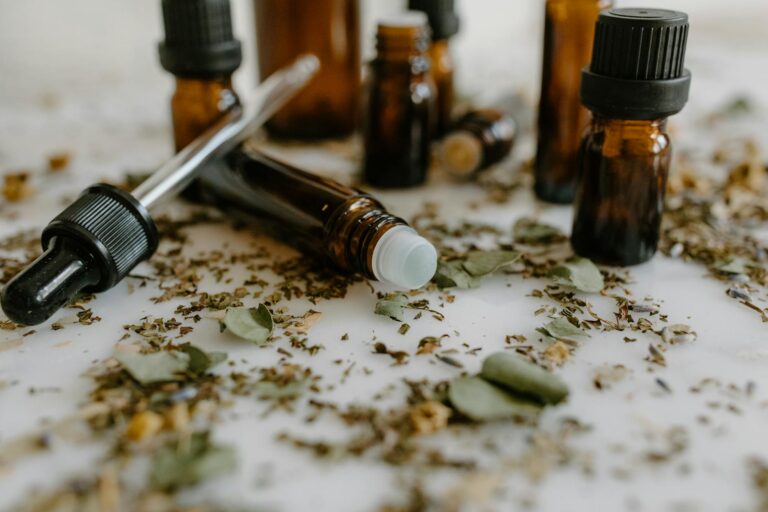
Aromatherapy shows genuine promise for easing dementia-related sleep problems, though the evidence is stronger in some areas than others. A 2024 meta-analysis found that aromatherapy significantly improves sleep quality in older adults, with lavender oil producing particularly notable results. For families watching a loved one with dementia struggle through broken nights and restless evenings, that finding offers real, if cautious, hope. Consider a care home resident who has been waking several times each night, agitated and confused. After staff begin diffusing lavender oil in her room thirty minutes before bedtime, her night awakenings gradually decrease over the following weeks.
That scenario reflects what multiple studies have documented, though not every trial tells the same story. The honest answer is that aromatherapy is not a cure for dementia-related insomnia, and the most rigorous review available, from the Cochrane Library, found no convincing evidence of benefit specifically in dementia populations. But that does not mean it is worthless. The research gaps are partly a problem of study quality rather than proof of failure. Meanwhile, NICE guidelines already recommend non-pharmacological strategies as the first-line approach for sleep-related symptoms in Alzheimer’s disease, and aromatherapy is recognized as one of thirteen non-pharmacological interventions represented in systematic reviews for sleep enhancement in mild cognitive impairment and mild Alzheimer’s disease. This article walks through what the research actually shows, which essential oils have the most evidence behind them, what the limitations are, and how to use aromatherapy safely alongside standard dementia care.
Table of Contents
- What Does the Research Say About Aromatherapy for Dementia-Related Sleep Problems?
- Why the Cochrane Review Urges Caution and What That Means for Families
- Which Essential Oils Have the Strongest Evidence for Dementia Sleep Issues?
- How to Use Aromatherapy Safely in Dementia Care
- Limitations You Should Know Before Starting Aromatherapy
- What Care Homes Are Doing With Aromatherapy
- Where the Research Is Headed
- Conclusion
- Frequently Asked Questions
What Does the Research Say About Aromatherapy for Dementia-Related Sleep Problems?
The evidence splits into two categories, and that distinction matters. In the broader population of older adults, the data is fairly strong. A 2024 meta-analysis pooling multiple studies found that aromatherapy significantly improved sleep quality, with a standardized mean difference of −1.02 (95% CI: −1.38 to −0.66; P < .001). When researchers isolated studies using lavender alone, the effect was even larger, with an SMD of −1.39 (95% CI: −2.06 to −0.72; P < .001). In nine out of ten studies reviewed, lavender significantly improved sleep disorders in older adults. A 2026 study by Chiang, published in Health and Social Care in the Community, further confirmed that regular aromatherapy sessions can improve sleep, reduce depression, and enhance overall well-being in older adults.
When we narrow the lens to dementia specifically, the picture gets murkier. A 2022 mixed-methods systematic review found that 68% of quantitative studies, fifteen out of twenty-two, reported improvements in behavioral and psychological symptoms of dementia after aromatherapy, with twelve studies showing statistically significant differences. But seven studies reported no improvements at all. A 2024 meta-analysis of fifteen randomized controlled trials found significant reductions in behavioral and psychological symptoms after about one month of aromatherapy treatment, with meaningful improvement in agitation and neuropsychiatric inventory scores after three to four weeks. Sleep was not always measured as a standalone outcome in these dementia trials, which complicates the picture. Still, since agitation and disrupted sleep are closely linked in dementia, improvements in one often track with improvements in the other.
Why the Cochrane Review Urges Caution and What That Means for Families
The Cochrane Review, widely considered the gold standard for evaluating medical evidence, found no convincing evidence that aromatherapy is beneficial for people with dementia. That finding deserves serious weight, but it also deserves context. The reviewers noted that conduct or reporting problems in half of the included studies meant those trials could not contribute to conclusions at all. The results from the remaining studies were inconsistent. This does not prove aromatherapy fails. It proves we do not yet have the kind of large, well-designed trials needed to say with confidence that it works in dementia populations specifically. For families, the practical takeaway is this: do not expect aromatherapy to replace other interventions or to work reliably for every person with dementia.
However, if you are already managing sleep problems through environmental adjustments, consistent routines, and appropriate medical oversight, adding aromatherapy as a complementary layer carries very little risk. The safety data is reassuring. Only three studies in the systematic review literature reported possible adverse effects from topical application or massage with essential oils, and those effects were mild and temporary. Studies using inhalation reported no adverse effects at all. The gap between what the evidence suggests and what families experience at the bedside is real. Many caregivers report noticeable improvements when they add aromatherapy to a nighttime routine, even if randomized trials have not uniformly confirmed those observations. The absence of definitive proof is not the same as evidence of absence, but it does mean managing expectations.
Which Essential Oils Have the Strongest Evidence for Dementia Sleep Issues?
Not all essential oils are created equal when it comes to sleep and dementia care. Lavender and lemon balm, known formally as Melissa officinalis, are the two most commonly studied essential oils for dementia-related symptoms. Of the two, lavender has the deeper evidence base for sleep specifically. A 2025 review published by Springer Nature compared several oils and found meaningful differences. Valerian oil improved sleep quality in dementia patients by reducing anxiety and night awakenings. Lavender oil was found to induce sleep.
Chamomile oil, despite its popular reputation as a calming herb, showed no significant sleep effects in the studies reviewed. That last point is worth emphasizing because chamomile tea and chamomile oil are widely marketed as sleep aids. The research, at least in dementia populations, does not support the oil delivering measurable benefits. A 2023 study published in PubMed added an interesting physiological finding. The group of dementia patients with insomnia who received lavender essential oil massage demonstrated a significant decrease in twenty-four-hour urinary free cortisol, a biomarker for stress. This suggests that lavender may work partly by lowering the body’s stress response, which is particularly relevant for dementia patients whose sleep disruption is often tied to heightened anxiety and agitation rather than simple insomnia.
How to Use Aromatherapy Safely in Dementia Care
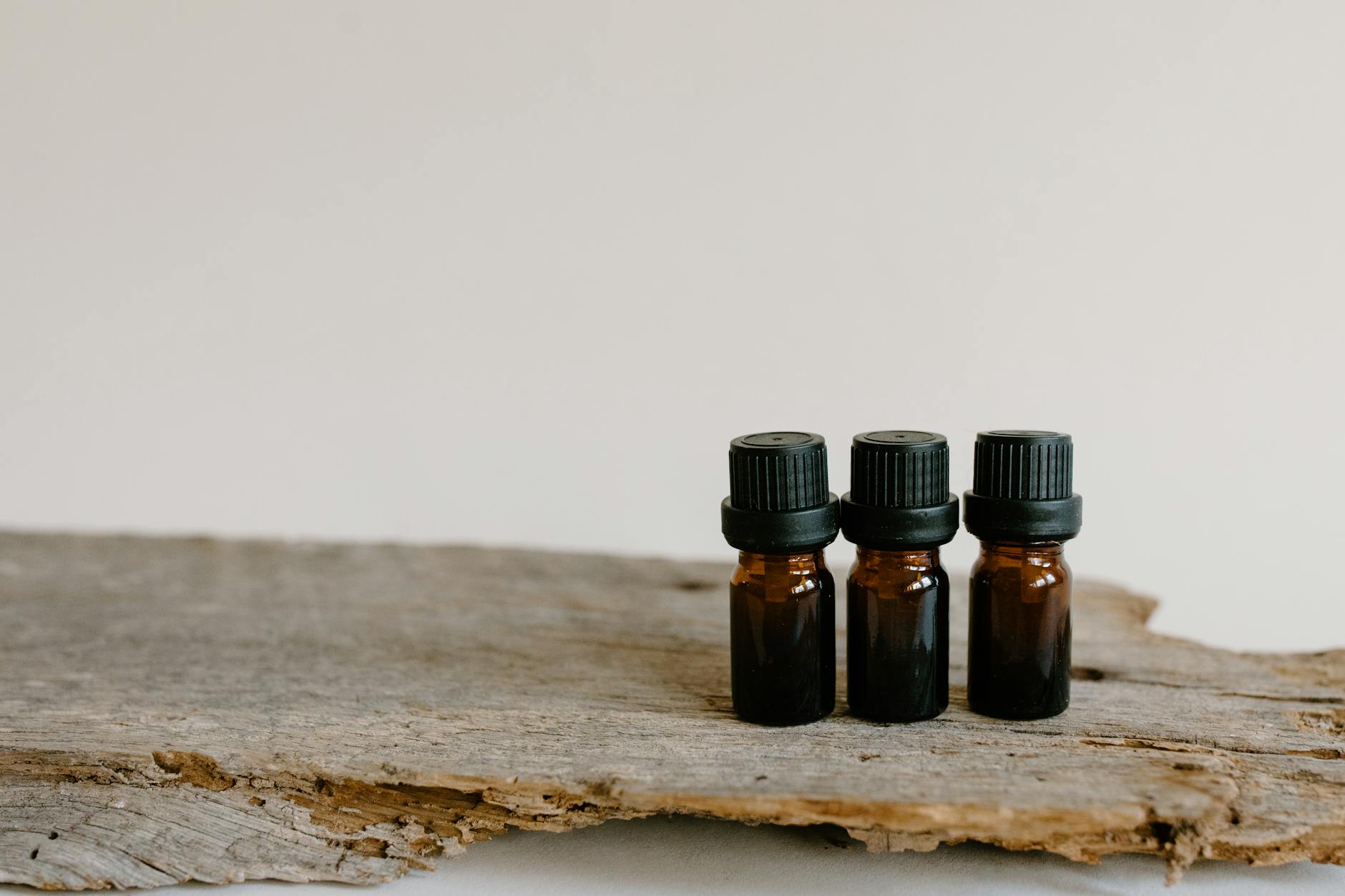
The method of delivery matters, and the research suggests some approaches are better suited to dementia care than others. Inhalation, whether through a diffuser, a cotton ball placed near the pillow, or a few drops on bedding, reported no adverse effects across the studies reviewed. Topical application and massage carry a slightly higher risk of skin reactions, though reported adverse effects were mild and temporary. For someone with dementia who may be confused or agitated by physical touch, inhalation is generally the simpler and less intrusive option. There is, however, a tradeoff between inhalation and massage. Massage with essential oils combines the potential benefits of aromatherapy with the calming effects of human touch, and some studies have found the combination more effective than inhalation alone. The 2023 cortisol study used massage as the delivery method, and the physiological stress reduction it documented may partly reflect the massage itself rather than the lavender oil.
For dementia patients who tolerate and enjoy touch, massage is worth considering. For those who become agitated during physical contact, a diffuser running for thirty minutes before bedtime is a less disruptive alternative. Timing also matters. Most studies that showed positive results used aromatherapy consistently over several weeks. The 2024 meta-analysis found significant improvements after about one month of treatment, with agitation and neuropsychiatric scores improving after three to four weeks. A single session is unlikely to produce lasting change. Families and care staff should plan for daily use over at least a month before evaluating whether it is helping.
Limitations You Should Know Before Starting Aromatherapy
The biggest limitation in this field is study quality. Many trials have been small, with fewer than fifty participants, and methodological problems are common. Blinding is difficult in aromatherapy research because the scent itself reveals which group is receiving the treatment. This makes placebo effects hard to rule out. Some studies lacked proper control groups or failed to report outcomes consistently, which is exactly why the Cochrane Review was unable to draw firm conclusions. There are also individual variability concerns that studies rarely capture.
A person with dementia may have a diminished sense of smell, which could reduce the effectiveness of inhalation-based aromatherapy. Some individuals may find certain scents irritating or distressing, particularly if those scents carry negative associations from earlier in life. In rare cases, essential oils can trigger allergic reactions, especially with topical application. Always do a patch test before applying oils to the skin, and watch for any signs of respiratory irritation when using a diffuser. Finally, aromatherapy should not be treated as a standalone solution. NICE guidelines recommend non-pharmacological strategies as the first-line approach for sleep-related symptoms in Alzheimer’s disease, but those strategies include a broad toolkit: light therapy, exercise, consistent sleep-wake schedules, reducing daytime napping, and managing pain and discomfort. Aromatherapy works best as one component of a wider sleep hygiene plan, not as a replacement for addressing the underlying causes of sleep disruption.

What Care Homes Are Doing With Aromatherapy
Some residential care settings have integrated aromatherapy into their daily routines with practical, low-cost approaches. A common model involves placing diffusers in communal areas during the late afternoon, targeting the sundowning period when agitation and confusion often peak, then moving diffusers to individual rooms in the evening to support sleep onset. Staff trained in basic aromatherapy may offer hand or foot massage with diluted lavender oil as part of the bedtime routine, which serves double duty as both sensory therapy and a calming social interaction.
These approaches are not universally adopted, and their success varies. But for care homes looking to reduce reliance on sedative medications, which carry significant risks including falls, excessive sedation, and accelerated cognitive decline, aromatherapy represents a low-risk alternative worth trialing. The favorable safety profile is one of its strongest arguments, even when the efficacy evidence remains mixed.
Where the Research Is Headed
The field is moving toward larger, better-designed trials that address the methodological weaknesses of earlier work. Researchers are also beginning to explore which subgroups of dementia patients respond best to aromatherapy, since the blanket category of dementia encompasses a wide range of conditions, severities, and individual differences. Future studies that measure objective sleep outcomes like actigraphy data alongside subjective caregiver reports will provide a much clearer picture.
There is also growing interest in combining aromatherapy with other non-pharmacological interventions, such as light therapy and music therapy, to see whether layered approaches produce greater benefits than any single intervention alone. For now, the evidence is promising but not conclusive. What we can say with reasonable confidence is that aromatherapy, particularly lavender-based inhalation, is safe, inexpensive, and supported by enough positive findings to justify its use as a complementary approach for dementia-related sleep problems.
Conclusion
The research on aromatherapy for dementia-related sleep problems tells a story of genuine promise tempered by legitimate scientific uncertainty. Lavender oil has the strongest track record, with significant sleep improvements documented in older adults and some positive findings in dementia-specific studies. Valerian oil shows potential for reducing night awakenings. The safety profile is favorable, with inhalation methods reporting no adverse effects across the available literature. At the same time, the Cochrane Review’s caution is warranted.
We do not yet have the definitive, large-scale trials needed to make strong claims about efficacy in dementia populations specifically. For families and caregivers navigating the exhausting reality of dementia-related sleep disruption, aromatherapy is a reasonable tool to add to the toolkit. It should not replace good sleep hygiene practices, appropriate medical evaluation, or other evidence-based non-pharmacological strategies. But as a safe, low-cost complementary approach used consistently over several weeks, it may offer meaningful improvement for some individuals. Discuss it with your loved one’s healthcare provider, start with lavender inhalation as the best-supported option, and give it at least a month before judging whether it is making a difference.
Frequently Asked Questions
Is aromatherapy safe for people with dementia?
The available evidence suggests it is safe. Only three studies reported possible adverse effects from topical application or massage, and those effects were mild and temporary. Studies using inhalation methods reported no adverse effects. However, always watch for skin irritation with topical use and respiratory sensitivity with diffusers, and consult a healthcare provider before starting.
Which essential oil works best for dementia-related sleep problems?
Lavender has the most evidence supporting its use for sleep improvement, with studies showing it can both induce sleep and reduce stress hormones. Valerian oil has also shown benefits for reducing anxiety and night awakenings in dementia patients. Chamomile oil, despite its reputation, showed no significant sleep effects in the research.
How long does aromatherapy take to show results for sleep?
Most studies that reported positive outcomes used aromatherapy consistently over several weeks. A 2024 meta-analysis found significant improvements in behavioral symptoms after about one month, with meaningful changes appearing after three to four weeks. Expect to use it daily for at least a month before evaluating its effectiveness.
Can aromatherapy replace sleep medication for someone with dementia?
Aromatherapy should not be used as a direct replacement for prescribed medication without medical guidance. NICE guidelines do recommend non-pharmacological strategies as the first-line approach for sleep symptoms in Alzheimer’s disease, but any changes to medication should be made in consultation with a healthcare provider.
Is inhaling essential oils or applying them topically more effective?
Both methods have shown benefits, and inhalation has the advantage of reporting no adverse effects in studies. Massage with essential oils may provide additional benefits from the physical touch component, but it can be distressing for some dementia patients. Inhalation through a diffuser is generally the simplest and safest starting point.
Does aromatherapy work if the person with dementia has a reduced sense of smell?
This is a legitimate concern that most studies have not directly addressed. A diminished sense of smell is common in dementia and could reduce the effectiveness of inhalation-based aromatherapy. Some researchers believe essential oil compounds may still have effects through absorption in the respiratory tract, but this has not been conclusively demonstrated. Topical application with massage may be a better option in these cases.