Reviewed by the Help Dementia Editorial Team — our editors review every article for accuracy against guidance from the National Institute on Aging, the Alzheimer’s Association, and peer-reviewed sources.
Yes, cooking aromas can powerfully trigger memories, and this phenomenon is rooted in how our brains process smell differently than other senses. When you inhale the scent of your mother’s lasagna or freshly baked bread, that aroma travels directly to your olfactory bulb—a region of the brain closely connected to the limbic system, which governs emotion and memory. This direct neural pathway means smells bypass the thalamus, the brain’s sensory relay station, and go straight to areas responsible for storing and retrieving memories. For someone with dementia or age-related memory loss, this olfactory route can sometimes access memories that feel otherwise locked away, making cooking aromas one of the most reliable sensory triggers for memory recall.
A classic example is the “Proust effect,” named after author Marcel Proust’s experience of involuntarily remembering his childhood when he smelled a madeleine cookie dipped in tea. Research shows this isn’t just literary flourish—aromas from familiar foods can activate dormant memories more effectively than photographs, music, or conversations alone. The volatiles released during cooking (the chemical compounds that create aroma) are particularly powerful because they’re part of a multi-sensory experience: the smell combines with taste, texture, and visual cues to create a rich memory cascade. For people caring for someone with dementia or concerned about their own cognitive health, understanding this memory-aroma connection offers both insight and practical opportunity. The scents we create through cooking aren’t just pleasant—they’re neurologically significant.
Table of Contents
- How Do Cooking Smells Connect to Memory Retrieval?
- Why Smell Matters More Than Other Senses for Memory in Dementia Care
- Specific Cooking Aromas That Commonly Trigger Memory
- Using Cooking Aromas Intentionally in Care and Daily Life
- Loss of Smell in Aging and Dementia: When Cooking Aromas Don’t Work
- The Multi-Sensory Power of Cooking, Not Just Smell
- The Future of Aroma Therapy in Brain Health and Dementia Care
- Conclusion
How Do Cooking Smells Connect to Memory Retrieval?
The mechanism behind aroma-triggered memory involves the olfactory system’s unique anatomy. Unlike vision or hearing, which process information through the thalamus before reaching memory centers, smell signals go directly from the olfactory receptors to the olfactory bulb, which sits adjacent to the hippocampus (crucial for memory formation) and the amygdala (which processes emotion). This direct connection explains why a single whiff of something familiar can instantly transport you to a specific moment in time—complete with the emotional tone of that memory. Cooking creates particularly potent memory triggers because the aromas are complex mixtures of volatile compounds.
Cinnamon, vanilla, fresh herbs, roasting garlic, and caramelizing onions release different chemical signatures that the brain recognizes as distinct markers. A person may not consciously “remember” their grandmother, but when exposed to the smell of her signature pot roast—a blend of beef, rosemary, and caramelized aromatics—their brain automatically retrieves not just the visual memory of her kitchen, but also the emotions and sensations associated with it. This happens within milliseconds and often without conscious effort. For individuals with Alzheimer’s disease or other dementias, this olfactory pathway can sometimes remain functional even when other memory systems have deteriorated. While a person with advanced dementia might struggle to recognize family members in photos, they may still respond emotionally to the smell of fresh bread or soup simmering on the stove—suggesting that the olfactory-memory connection is handled by different neural circuits than those typically damaged by dementia.

Why Smell Matters More Than Other Senses for Memory in Dementia Care
The olfactory system’s unique position in the brain makes it particularly valuable in dementia care because it accesses memory through a pathway less vulnerable to cognitive decline. The hippocampus, while affected by Alzheimer’s disease, is not the only region involved in smell-triggered memory retrieval. The olfactory cortex, piriform cortex, and other smell-processing areas maintain their function longer than other memory systems in many cases, allowing aromatic memories to persist when verbal or visual memories have faded. However, there’s an important limitation: not all cooking aromas work for all people. Individual scent preferences and early life experiences shape which aromas will trigger meaningful memories. Someone who grew up in a household where cooking rarely happened may not respond to culinary aromas the way someone from a food-centered culture might.
Additionally, in advanced dementia, anosmia (loss of smell) can develop, reducing the effectiveness of this approach. Some medications and certain neurological changes can also impair the sense of smell, particularly in older adults. A 2016 study found that olfactory function decline is an early marker of cognitive decline in some populations, so while smell can be a powerful tool, it shouldn’t be relied upon as the sole memory intervention. It’s also worth noting that not all aroma-memory connections are positive. A smell associated with trauma or unpleasant experiences can trigger negative emotions just as easily as positive ones. The smell of a particular dish might remind someone of a difficult period in their life, requiring caregivers to be thoughtful about which aromas they introduce.
Specific Cooking Aromas That Commonly Trigger Memory
Certain cooking aromas are almost universally recognized as memory triggers because they’re associated with significant life events and cultural moments. Fresh bread baking releases dimethyl sulfide and other compounds that signal “home” and “comfort” to most people, often triggering memories of childhood, holidays, or family gatherings. Similarly, the aroma of cookies baking—particularly vanilla and butter—activates memory centers strongly, which is why many memory care facilities and senior living communities have introduced “aroma programs” featuring these scents. Roasting or sautéing onions and garlic creates a rich umami-associated aroma that triggers memories of family meals and specific cuisines. A person who grew up in an Italian household might respond powerfully to the smell of garlic simmering in olive oil, while someone from an Asian background might associate the same garlic aroma with different meals and memories.
Cinnamon, nutmeg, and vanilla—common in baking and holiday cooking—are other potent memory triggers that cross cultural boundaries. Studies show that even people with moderate dementia can respond behaviorally to familiar food aromas, sometimes showing improved mood, increased verbal communication, or reduced agitation when exposed to meaningful culinary scents. One practical example: A woman with Alzheimer’s disease who had been withdrawn and mostly silent began speaking and smiling when her daughter started baking her childhood favorite—apple pie with cinnamon. The aroma seemed to unlock not just memories, but also her ability to engage with the present moment. However, this effect didn’t occur when the same apple pie was purchased from a store; the “live” cooking aroma was essential. This underscores that the memory trigger isn’t just the final aroma, but the entire multi-sensory experience of cooking—the heat, the steam, the changing smells as ingredients combine and cook.

Using Cooking Aromas Intentionally in Care and Daily Life
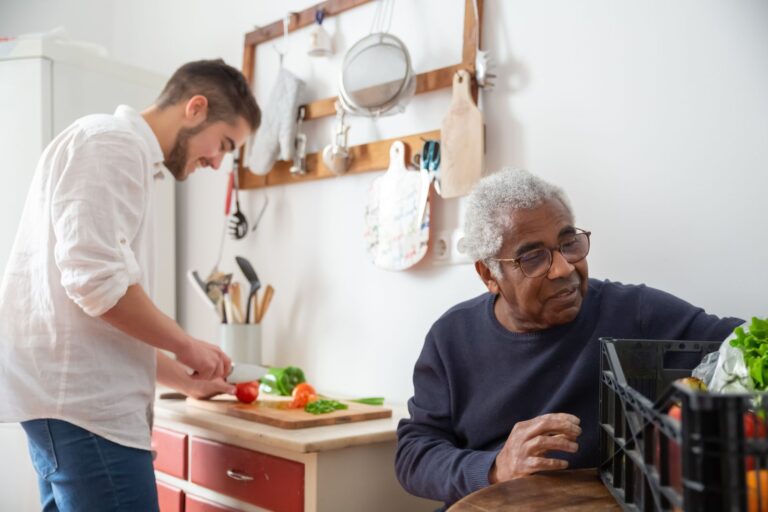
If you’re caring for someone with dementia or concerned about your own memory health, you can use cooking aromas strategically. Start by identifying food aromas associated with positive, significant periods in the person’s life—ask family members about favorite dishes, cultural foods, and meals linked to happy occasions. Then, when possible, cook or reheat these foods in their presence, allowing the aroma to fill the space. The key difference between this and other sensory interventions is that you’re not forcing memory recall; you’re creating an environment where memory can emerge naturally. One tradeoff to consider: actively cooking produces stronger aromas than reheating prepared food, but cooking takes more time and energy. If you’re a busy caregiver, periodically reheating foods or using a slow cooker to gently warm a familiar dish can create meaningful aromas with less effort.
Another approach is asking friends or family to occasionally bring home-cooked meals that carry the scents of the person’s cultural or family traditions. Some memory care communities have begun scheduling “cooking events” where staff prepares familiar foods not just for eating, but for the therapeutic value of the aromas. It’s also worth noting the comparison between cooking aromas and other sensory approaches used in dementia care. Music therapy, for instance, can be powerful but requires active engagement and works best if the person enjoys music. Touch and hand massage are soothing but can sometimes distress people. Cooking aromas offer a passive, non-intrusive form of sensory engagement that people generally don’t find uncomfortable, making it an accessible tool across different dementia stages and temperaments.
Loss of Smell in Aging and Dementia: When Cooking Aromas Don’t Work
One significant limitation of relying on cooking aromas is that olfactory function often declines with age and cognitive disease. In many forms of dementia, particularly Parkinson’s disease dementia and some cases of Alzheimer’s, loss of smell (anosmia) or reduced smell sensitivity (hyposmia) is an early symptom. By the time dementia is diagnosed, some people have already lost substantial olfactory capacity. Additionally, many medications commonly used in dementia care—anticholinergics, antihistamines, and others—can impair the sense of smell. There’s a chicken-and-egg warning here: while loss of smell can be an early sign of cognitive decline, it also limits the effectiveness of smell-based memory interventions.
If someone can’t detect aromas, they can’t benefit from this approach. Before implementing a cooking aroma strategy, it’s worth informally testing the person’s smell sensitivity with familiar, non-food aromas—a scent they knew well, for instance—to gauge whether this intervention is likely to work. Another limitation is that olfactory adaptation—where a smell becomes less noticeable over time—can reduce the memory-triggering effect if the same aroma is used repeatedly. A person who smells cinnamon daily may stop noticing it, meaning the aroma loses its novelty and emotional punch. This suggests that cooking aroma interventions work best when used intermittently and with variety, rather than as a constant background scent.

The Multi-Sensory Power of Cooking, Not Just Smell
While this article focuses on aroma, it’s important to recognize that cooking’s memory-triggering power comes from its multi-sensory nature. The aroma alone is part of a larger experience that includes taste, texture, temperature, visual cues, and often social connection. A person eating their mother’s soup smells the aroma, tastes the familiar flavors, feels the warmth of the bowl in their hands, and—if family members are present—experiences the social context in which that dish was originally shared.
Dementia researchers and caregivers have found that the most powerful memory interventions involve multiple senses simultaneously. Cooking a familiar dish while the person watches or participates, then sharing the meal together, creates a richer and more sustainable memory engagement than aroma alone. The act of cooking itself—the sounds of chopping, the sizzle of pan, the visual transformation of ingredients—adds additional sensory anchors for memory.
The Future of Aroma Therapy in Brain Health and Dementia Care
Interest in aroma-based interventions for dementia and cognitive health is growing. Some researchers are exploring whether specific aromatic compounds might slow cognitive decline or improve memory function in healthy aging adults, though evidence remains preliminary. Others are investigating how to optimize aroma delivery in care settings—not through artificial air fresheners, but through gentle, natural cooking practices or use of pure essential oils based on the person’s history.
As understanding of the olfactory system’s role in memory deepens, we may see more memory care communities and home care programs incorporating cooking and aroma intentionally into their care models. The advantage is clear: this is a low-cost, low-risk intervention that engages the brain through one of its most emotionally-connected sensory pathways. For people concerned about memory loss or caring for someone with dementia, understanding this connection offers both hope and practical action—a reminder that sensory experiences, created through something as ordinary as cooking, can be profoundly healing.
Conclusion
Cooking aromas can trigger powerful, involuntary memories because of the brain’s unique wiring—smell signals travel directly to memory and emotion centers, bypassing the usual sensory processing route. This direct neural pathway makes olfactory triggers particularly valuable in dementia care, where they can access memories and emotions when other cognitive pathways are compromised. The scent of a familiar dish, experienced in real-time as it cooks, engages not just memory but also emotion, creating moments of connection and clarity.
For caregivers and family members, the practical takeaway is simple: cooking familiar, culturally significant foods isn’t just about nutrition or even taste. The aroma created in the process is a form of non-pharmacological, low-risk therapy that can improve mood, engagement, and quality of life. Whether you’re concerned about your own memory or caring for someone with dementia, understanding the power of cooking aromas offers a way to honor memory while creating meaningful moments in the present.
You Might Also Like
- Can Dementia Patients Benefit From Pets, Music, and Food Together?
- How Pharmacists Can Help Protect Brain Health
- How Caregivers Can Improve Diet Without Perfection
Related reading
- can Lifestyle Dementia Studies Become Reader-Friendly Guides
- why Caregiver Stories Drive Long-Tail Search Demand
- how Missing Dementia Cases Inspire Safety Content
- can New Diagnostics Create High-Intent Dementia Topics
- why Treatment Headlines Need Layman-Friendly Explanations
For more on this topic, see Alzheimer’s Association — medical tests.