Reviewed by the Help Dementia Editorial Team — our editors review every article for accuracy against guidance from the National Institute on Aging, the Alzheimer’s Association, and peer-reviewed sources.
Air pollution sits at the center of this dementia and brain health question.
Yes, air pollution significantly increases the risk of dementia. Recent research from a massive 27.8-million-person study shows that for every 10 micrograms of fine particulate matter (PM2.5) per cubic meter of air—roughly the difference between air quality on a busy highway versus a quiet suburban street—dementia risk rises by approximately 40 percent, and Alzheimer’s disease risk jumps by 47 percent. These aren’t small correlations found in a single lab; they represent patterns identified across millions of Medicare beneficiaries tracked over decades. The evidence has become impossible to ignore. What surprised researchers most is that air pollution damages the brain directly—attacking the cells and proteins associated with dementia—rather than simply harming the heart and lungs, which then affects the brain indirectly.
This direct pathway accounts for more than 95 percent of the association with Alzheimer’s disease, meaning that air pollution appears to be a primary risk factor for cognitive decline, not a secondary one. The stakes are profound. If these findings hold up—and multiple independent studies suggest they do—then approximately 188,000 dementia cases per year in the United States alone could be attributable to air pollution exposure, accounting for roughly 5 percent of all newly diagnosed dementia cases. For someone living in a polluted urban area or near major highways, understanding this risk isn’t academic. It’s personal.
Table of Contents
- How Does Air Pollution Trigger Dementia Risk?
- Which Types of Dementia Are Most Vulnerable to Air Pollution?
- What Does the Evidence Actually Show?
- What Air Quality Levels Should Concern You?
- Can You Reduce Your Dementia Risk From Air Pollution?
- The Emerging Picture of Environmental Dementia Risk
- What Happens Next? Policy, Research, and Hope
- Conclusion
How Does Air Pollution Trigger Dementia Risk?
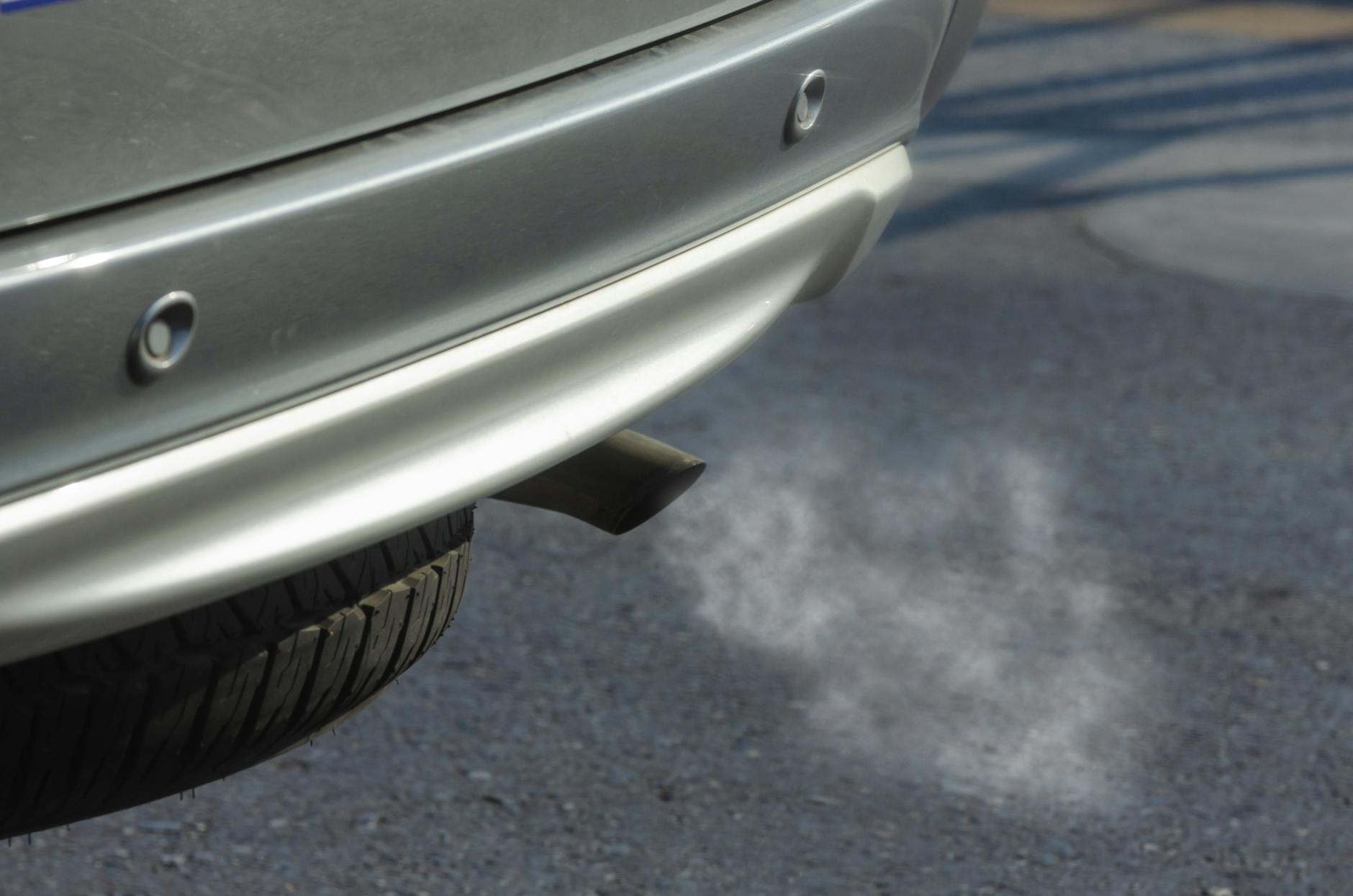
The mechanism is both straightforward and complex. When you breathe in fine particulate matter—particles so tiny they’re invisible to the naked eye—they don’t stop at your lungs. Some particles cross the air-blood barrier and enter the bloodstream, while others trigger inflammatory responses throughout the body. Crucially, new research reveals that these particles may also enter the brain directly via the olfactory nerve, which runs from your nose through to the brain’s center. Once in the brain, PM2.5 exposure appears to accelerate the hallmark pathological processes of Alzheimer’s disease: the buildup of amyloid-beta plaques and tau tangles.
A Penn Medicine study found that each 1 microgram per cubic meter increase in PM2.5 correlated with a 19 percent increase in both amyloid and tau accumulation. This is particularly alarming because these protein buildups are thought to begin years before dementia symptoms appear. A person might be accumulating cognitive damage from air pollution decades before they notice memory problems. For context, consider two people in different cities: one living in an area with an annual average PM2.5 level of 8 micrograms per cubic meter (cleaner air) versus another in an area with 18 micrograms per cubic meter (still within EPA standards but more polluted). Based on current evidence, the second person faces roughly 40 percent higher dementia risk—not because of genetics or lifestyle alone, but partly because of the air they breathe every day.
Which Types of Dementia Are Most Vulnerable to Air Pollution?
While Alzheimer’s disease has received the most research attention, air pollution increases risk across multiple dementia types. Vascular dementia—caused by reduced blood flow to the brain from stroke or small vessel disease—shows particularly dramatic increases. According to the Emory University research, PM2.5 exposure actually doubles vascular dementia risk. This makes biological sense: air pollution inflames blood vessels, damages endothelial cells lining arteries, and increases clotting risk. For someone already at risk of stroke, breathing polluted air compounds that danger. Lewy body dementia, the third most common dementia type after Alzheimer’s and vascular dementia, also shows increased incidence with air pollution exposure.
This finding, based on analysis of 56 million people, is significant because Lewy body dementia is often misdiagnosed or overlooked by patients and physicians alike. The condition causes problems with movement, sleep, and behavior alongside cognitive decline, making it particularly debilitating. The implication here is sobering: a comprehensive approach to dementia prevention must account for air quality across all dementia subtypes, not just Alzheimer’s. One limitation in current research is that most studies track dementia diagnoses rather than earlier stages of cognitive decline. Someone might be experiencing subtle memory problems years before receiving a diagnosis. This means the true effect of air pollution on brain health may extend further back in time than current statistics capture—a warning that air quality matters not just at age 70 or 80, but throughout middle age and even earlier.
What Does the Evidence Actually Show?
The evidence is both robust and recent. A 2025 meta-analysis examining pooled data from multiple studies found that for every 5 microgram per cubic meter increase in PM2.5, dementia risk increased by 8 percent. Among studies using the most rigorous methods—actively tracking participants and confirming dementia diagnoses rather than relying on insurance claims alone—the risk jumped to 17 percent per 2 microgram increase, suggesting the true effect might be even larger than population estimates indicate. The February 2026 Emory University study stands out for its sheer scale and specificity.
With 3 million newly diagnosed Alzheimer’s cases among 27.8 million Medicare beneficiaries tracked from 2000 to 2018, researchers had the statistical power to measure subtle differences in air quality and dementia incidence. They found that more than 95 percent of the association with Alzheimer’s came from direct pollution effects on the brain—a finding that upends previous assumptions about air pollution’s primary danger being cardiovascular. The remaining less-than-5 percent attributable to heart and blood vessel effects shows that while cardiovascular damage from pollution is real, the bigger threat to brain health appears to be direct neurotoxicity. Across all studies examined, there appeared to be a minimum 14 percent increased dementia risk when comparing people exposed to the lowest PM2.5 levels (4.5 µg/m³) to those in the highest ranges (26.9 µg/m³). This consistency across different research teams and methods suggests the effect is genuine, not an artifact of how any single study was designed.

What Air Quality Levels Should Concern You?
The EPA’s National Ambient Air Quality Standard for PM2.5 is 35 micrograms per cubic meter for a 24-hour average, and 15 micrograms per cubic meter as an annual average. However, research on dementia suggests that even air quality meeting these standards carries substantial risk. The studies cited here examined exposure levels as low as 4.5 to 9 micrograms per cubic meter and still found dementia risk increases. This is the critical gap: what regulators consider “safe” based on respiratory disease data may not be safe for brain health. If you live in an area with an annual average PM2.5 of 12 micrograms per cubic meter versus someone in a region with 7 micrograms per cubic meter, you’re facing meaningfully different dementia risks despite both technically complying with EPA standards.
The practical implication is that waiting for air quality to meet regulatory minimums isn’t sufficient for dementia prevention. You need to know your local air quality numbers, track them, and take protective action even in areas that regulators classify as acceptable. Real-world air quality varies dramatically by location and season. Major highways, industrial areas, and regions downwind of ports or refineries experience significantly higher PM2.5 than rural areas or suburban neighborhoods away from heavy traffic. During wildfire season, PM2.5 can spike into dangerous ranges for weeks at a time. Understanding your specific exposure—not just your region’s general air quality category—is essential for making informed decisions about when to use air filtration, reduce outdoor exertion, or consider longer-term residential choices.
Can You Reduce Your Dementia Risk From Air Pollution?
The honest answer is: substantially, but not completely. You can’t control the air quality in your region, but you can control your exposure to it. Indoor air filtration using HEPA filters removes a significant portion of PM2.5, particularly during high-pollution periods. If you live near a highway or in an urban area, keeping windows closed on high-pollution days and using an air purifier while sleeping—when you spend consecutive hours in one room—can meaningfully reduce exposure. However, there’s a limitation: you cannot achieve completely clean air indoors if the outdoor air entering through ventilation, door openings, and other gaps remains polluted.
Some researchers worry that prolonged, exclusive indoor living might create other health problems. The tradeoff is real. Additionally, air filtration requires electricity, maintenance, and replacement of filters, making it an ongoing expense that not everyone can afford equally. A critical warning: don’t assume that a simple air filter or mask worn occasionally will provide complete protection on high-pollution days. The research showing major dementia risk increases from long-term exposure indicates that chronic, ambient pollution is the primary concern—the constant background exposure you receive year-round, not just on smoggy days. This means that someone might avoid the worst pollution days through behavioral changes but still face substantial long-term dementia risk from regular background exposure that feels “normal.”.
The Emerging Picture of Environmental Dementia Risk
Air pollution is increasingly understood as one component of a broader environmental dementia risk profile. Noise pollution, another widespread urban environmental hazard, may also increase dementia risk. Lead exposure, particularly from deteriorating paint in older homes or contaminated water systems, damages the developing brain and may affect dementia risk in older age.
Taken together, these environmental factors suggest that dementia prevention isn’t just about genes, diet, and exercise—it’s also about where you live and the environmental exposures you carry throughout your life. For someone living in an urban area with multiple environmental stressors—high air pollution, significant noise, older housing stock potentially containing lead, limited green space—the cumulative effect on brain health over decades could be substantial. This is why some public health experts have begun framing dementia prevention as partially a housing and environmental justice issue, not purely an individual health responsibility.
What Happens Next? Policy, Research, and Hope
The evidence linking air pollution to dementia is prompting policy conversations at the highest levels. Some researchers and public health officials are calling for stricter air quality standards based on brain health data rather than respiratory disease data alone. If future regulations specifically account for dementia risk, we might see meaningful changes in industrial regulations, vehicle emissions standards, and regional air quality targets.
That’s still in the future, but the direction is clear. Research continues to refine our understanding of the specific pollution components most damaging to the brain, the critical developmental windows when exposure is most dangerous, and the individual genetic factors that make some people more vulnerable. These insights will eventually enable more targeted interventions, from medication that protects against pollution-related amyloid accumulation to environmental recommendations customized to personal risk profiles. The field is moving beyond simply documenting the problem toward understanding mechanisms and solutions.
Conclusion
Air pollution increases dementia risk through direct brain damage, with the effect size substantial enough to account for an estimated 188,000 dementia cases annually. The evidence spans multiple dementia types, multiple research teams, and millions of individuals tracked over decades. This isn’t a controversial or preliminary finding—it’s a consistent pattern replicated across different methodologies and populations. For anyone concerned about dementia prevention, air quality deserves attention alongside the more frequently discussed factors like cognitive exercise, diet, and cardiovascular health. The takeaway isn’t doom, but action.
Know your local air quality. Reduce your personal exposure during high-pollution periods through indoor filtration and behavioral choices. Advocate for stronger environmental policies that protect brain health, not just lungs. And recognize that dementia prevention is partially an environmental health challenge, not purely an individual responsibility. Your brain is breathing the air you expose it to, and that air quality matters more than most people realize.
You Might Also Like
- Can Social Isolation Increase Dementia Risk?
- Can Walking Lower Dementia Risk?
- Can Vision Problems Affect Dementia Risk?
For more, see Alzheimer’s Association — medical tests.