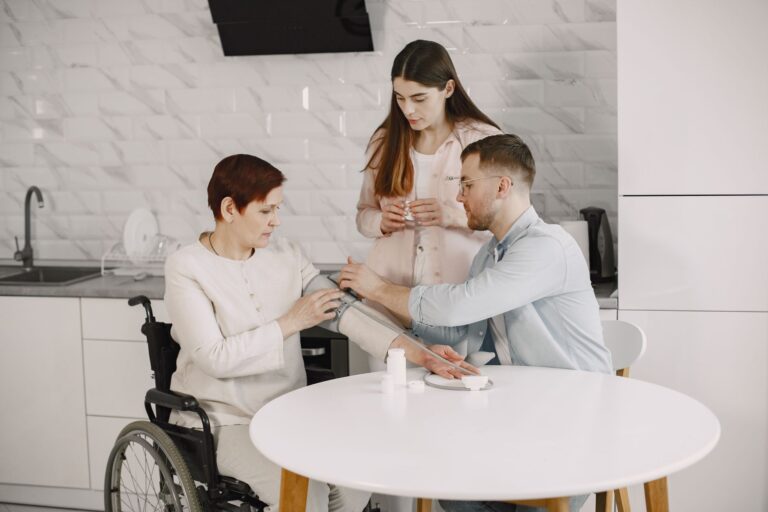
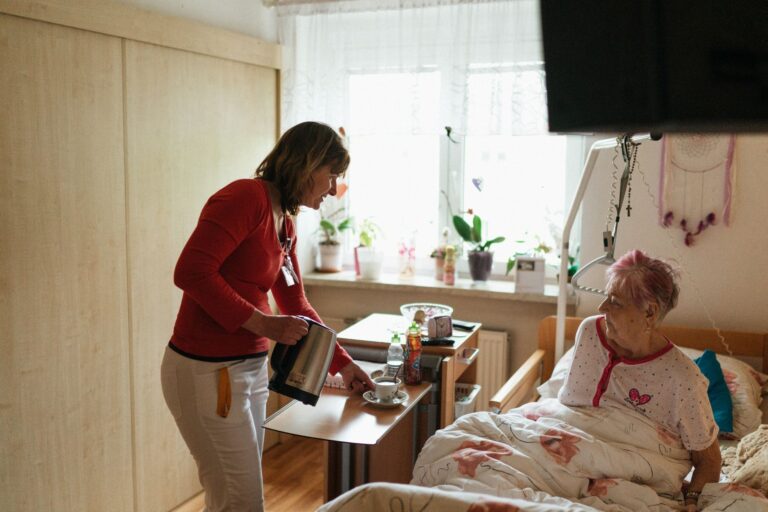
No. A dementia test score alone cannot decide whether someone can live alone.
A test score is a number from a brief mental-status check, not a ruling on safety or judgment. Safe solo living depends on daily function, home risks, and support, not one cutoff. Families need a broader check that looks at what the person actually does each day.
Medical information disclaimer: This article is for general educational purposes only and does not provide medical advice, diagnosis, or treatment. Always consult a physician or other qualified health professional about symptoms, medications, tests, or treatment decisions.
Table of Contents
- What do MoCA and MMSE scores mean?
- Why can't a score prove capacity to live alone?
- Which daily abilities matter most?
- What risks should prompt a new living plan?
What do MoCA and MMSE scores mean?
The Montreal Cognitive Assessment uses a 30-point scale. According to the Parkinson's MoCA validation review, 26 or higher is normal and 25 or below may signal mild cognitive impairment, with one extra point for 12 or fewer years of schooling, as detailed in the PMC MoCA review.
The Mini-Mental State Examination has a similar screening role. A large systematic review reported a general dementia cutoff between 23/24 and 24/25, and 27/28 for mild cognitive impairment with low sensitivity, according to the Canadian Medical Association Journal.
Why can't a score prove capacity to live alone?
Diagnosis itself needs more than one test. According to the Alzheimer's Association, physicians must combine history, mental-status tests, neurological exams, functional assessments, imaging, and lab tests, as explained in the Alzheimer's Association medical-tests guidance.
Capacity is even more specific. The New Brunswick Toolkit for Primary Care Capacity Assessment notes that standard scores are language-based, shaped by education and culture, and do not test judgment and reasoning. The Frontiers in Psychology scoping review adds that decision-making capacity has no standalone pass-or-fail test and must be judged for each specific decision.
Which daily abilities matter most?
Safe independent living requires instrumental activities of daily living. A PMC study on daily-function gaps in mild dementia lists telephoning, shopping, meal preparation, money and medication management, and handling flames and switches, described in the PMC study of daily-function gaps. Watch how those tasks go in real life, not on paper:.
- misses doses, mixes up pills, or cannot refill prescriptions
- leaves stove on, cannot use phone, or gets lost nearby
- unpaid bills, strange purchases, or missed appointments
- poor hygiene, missed meals, or unsafe driving
What risks should prompt a new living plan?
Living alone with cognitive decline is common and risky. A University of California, San Francisco study found about 1 in 4 older Americans with dementia or mild impairment lives alone, with risks such as unsafe driving, wandering, medication errors, and missed appointments.
Wandering deserves special attention. About 60 of every 100 people with Alzheimer's dementia will wander at some point, according to the University of Michigan safety sheet. Families should reassess the home and living arrangement as dementia progresses with a safety checklist covering stoves, driving, medications, and emergency contacts, as recommended by the Tennessee Commission on Aging and Disability.