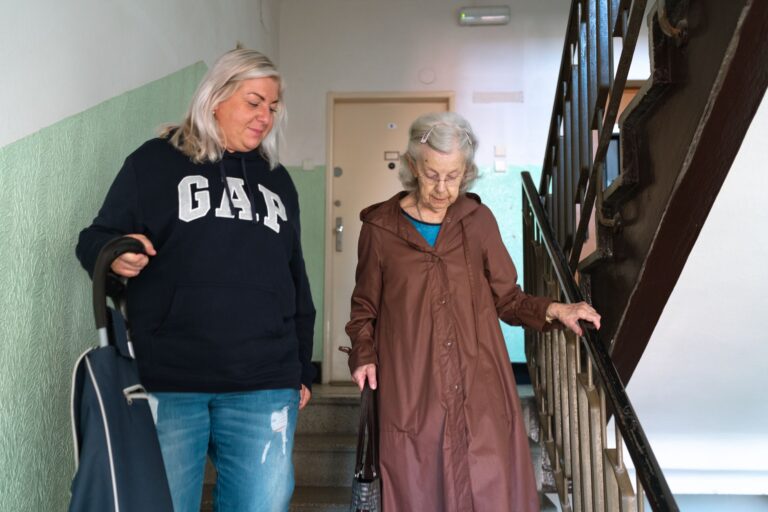
A realistic dementia-prevention routine with mild cognitive impairment pairs daily brain-healthy habits with steady steps to breathe less polluted air. Mild cognitive impairment means noticeable memory or thinking loss beyond aging while daily independence remains.
Air pollution is one of 14 modifiable dementia risk factors, and The Lancet estimated about 45% of cases could be prevented or delayed by addressing all 14 together in The Lancet report. Some people with mild cognitive impairment progress to dementia and others do not. That makes small, repeatable exposures worth reducing alongside exercise, sleep, and vascular care.
Medical information disclaimer: This article is for general educational purposes only and does not provide medical advice, diagnosis, or treatment. Always consult a physician or other qualified health professional about symptoms, medications, tests, or treatment decisions.
Table of Contents
- Why cleaner air belongs in your plan
- What air-quality numbers mean for daily choices
- Make indoor air cleaner before smoke arrives
- Stay active without breathing more smoke
Why cleaner air belongs in your plan
Long-term fine-particle exposure raises dementia risk. Alzheimer Europe, reporting a Lancet Planetary Health meta-analysis, found a hazard ratio of 1.08 for every 5 µg/m³ increase in PM2.5 in Alzheimer Europe's summary of the meta-analysis.
The increase per unit is small, but exposure is daily and lifelong. Traffic, wood smoke, wildfire smoke, and indoor sources add up over years. Lowering average exposure is therefore a long-term habit, not a one-day fix.
What air-quality numbers mean for daily choices
The World Health Organization sets annual targets of 5 µg/m³ for PM2.5 and 10 µg/m³ for nitrogen dioxide, according to the World Health Organization Q&A on air-quality guidelines. Its 24-hour targets are 15 µg/m³ and 25 µg/m³ for the same pollutants.
Use those numbers as direction, not as a personal cutoff. Risk rises with long-term exposure, so a single clean or dirty day matters less than the pattern. Check local readings often, then favor cleaner hours and cleaner routes.
Make indoor air cleaner before smoke arrives
Choose filtration before a smoke event. The U.S. EPA says high-efficiency HVAC filters, portable air cleaners, and DIY box-fan air cleaners can lower indoor wildfire-smoke levels, alone or combined, in U.S.
EPA advice on indoor filtration. During smoky periods, check the AirNow Fire and Smoke Map. Stay inside with doors and windows closed. Close fresh-air intakes where present.
- Pick one filtration option before fire season
- Replace or clean filters on schedule
- Seal gaps around windows and doors
- Plan one clean-air room for sleep and rest
Stay active without breathing more smoke
Physical activity still matters after mild cognitive impairment. The World Health Organization strongly recommends it to reduce cognitive decline with normal cognition and conditionally suggests it for mild cognitive impairment. On smoky days, shift rather than skip movement.
Time outdoor activity when air is cleaner. Walk instead of jog to reduce breathing rate. Shorten outdoor exertion when smoke rises. Move longer sessions indoors to a filtered room.