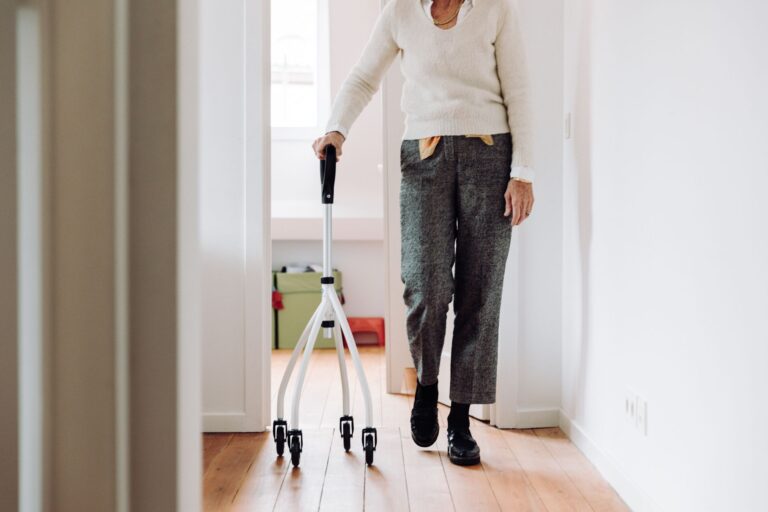
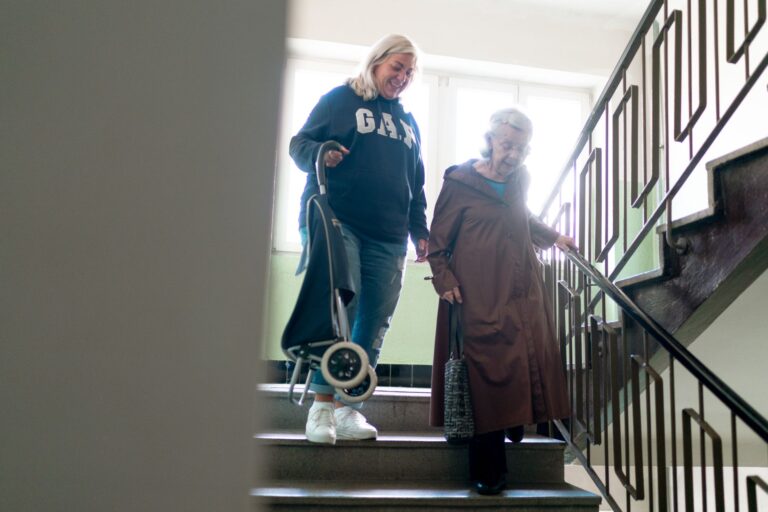
Building fall prevention into a midlife dementia-prevention routine means adding balance, leg strength, and home-safety steps to regular aerobic exercise. It keeps you mobile and active, which supports brain health and lowers chance of a serious fall.
Fall prevention here means fewer slips, stronger legs, and safer daily habits. Brigham and Women's Hospital reports 10.6% of fall patients received a dementia diagnosis within a year, versus 6.1% with other injuries hospital analysis. Midlife is the best window to build those protections.
Medical information disclaimer: This article is for general educational purposes only and does not provide medical advice, diagnosis, or treatment. Always consult a physician or other qualified health professional about symptoms, medications, tests, or treatment decisions.
Table of Contents
- Why do falls matter for brain health?
- What does a realistic week include?
- Which movements cut falls?
- How do you make daily life steadier?
Why do falls matter for brain health?
A fall can start a decline in movement and confidence. Less walking means less social contact and less mental stimulation. Injury recovery can also interrupt sleep, exercise, and medical care.
Risk runs both ways. Poor balance and weak legs raise fall chance. Early thinking changes can also impair judgment and footing.
What does a realistic week include?
WHO's 2020 guidance recommends 150-300 minutes of moderate aerobic activity each week. It adds muscle-strengthening on 2 or more days and balance-strength training about 3 days weekly, as summarized in WHO activity guidance summarized in CMAJ.
The CMAJ summary cautions that fall-dementia links are largely observational, so falls may partly signal early decline. Split activity into short bouts when days are full. Pair balance work with an existing habit, such as after brushing teeth.
- Walk briskly 30 minutes on most weekdays.
- Do leg and core strength twice weekly.
- Practice balance 10 minutes three times weekly.
Which movements cut falls?
A Cochrane review found balance and functional exercises cut the fall rate by 24% versus control, in 39 trials with 7,920 participants Cochrane review summary. Benefits applied mainly to people living in the community. Focus is practical: steady stance, strong rise, and safe stepping.
Practice heel-to-toe standing near a counter for support. Repeat sit-to-stand from a firm chair to build leg power. Step sideways, backward, and over a low threshold to train recovery.
How do you make daily life steadier?
CDC notes more than 1 in 4 U.S. adults 65 and older falls each year, and fewer than half tell a doctor. It lists leg weakness, balance problems, sedating medications, vision problems, and home hazards as modifiable causes CDC clinician fact sheet.
Midlife is ideal to fix these early. Ask your clinician to review sleep aids, allergy drugs, and blood pressure pills for dizziness. Update glasses, add lighting on stairs, and remove throw rugs and clutter. Tell your doctor about any fall, even without injury, and request a balance check.