What does leukoaraiosis mean on a brain scan
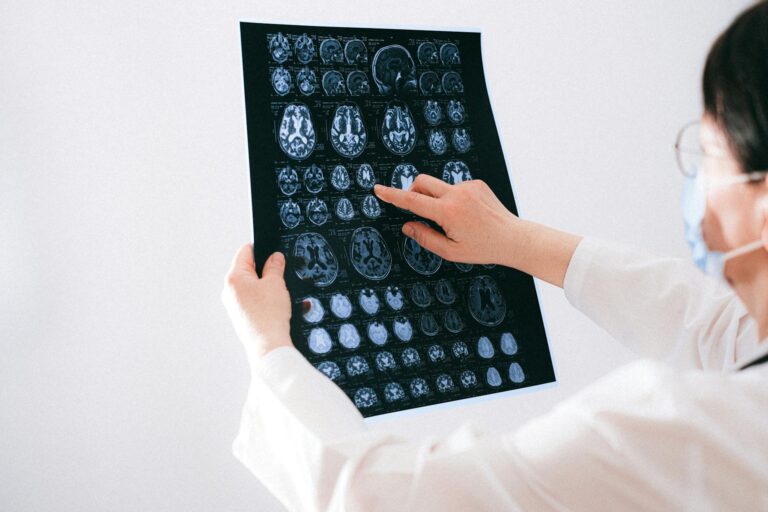
Leukoaraiosis is a radiological term used to describe areas of abnormal brightness seen on MRI brain scans, particularly on T2-weighted and FLAIR...

Leukoaraiosis is a radiological term used to describe areas of abnormal brightness seen on MRI brain scans, particularly on T2-weighted and FLAIR...
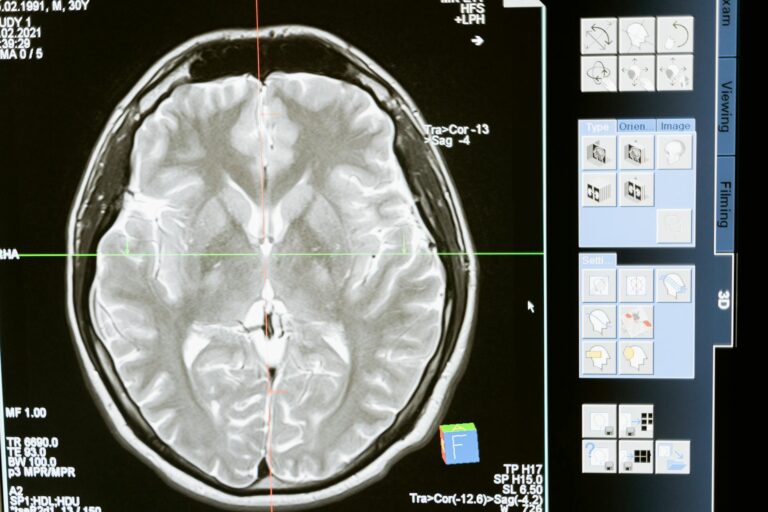
Functional MRI helps dementia researchers by detecting changes in brain activity before structural damage becomes visible on a standard scan.

Subjective memory loss and objective memory loss are two distinct phenomena that are often conflated — but they measure fundamentally different things.

Yes, an eye exam can detect early signs of Alzheimer's disease — and the science behind it is more advanced than most people realize.

When a brain MRI report comes back with the phrase "small vessel ischemic disease," it can feel alarming and cryptic in equal measure.

A full dementia evaluation typically takes between two and five hours for the neuropsychological testing portion alone, with most evaluations running...

The CDR scale — short for Clinical Dementia Rating — is a standardized tool used by clinicians to measure how severely dementia is affecting a person's...

A routine blood test — the kind ordered at your annual physical to check cholesterol, blood sugar, and kidney function — cannot detect dementia.

When a radiologist reports "microangiopathic changes" on a brain MRI, it means there is visible damage to the small blood vessels — the arterioles,...

Frontotemporal dementia is diagnosed differently from Alzheimer's and other dementias primarily because the clinical presentation, cognitive profile, and...