How does lecanemab work differently from older alzheimers drugs

Lecanemab works differently from older Alzheimer's drugs in a fundamental way: it targets the underlying biology of the disease rather than compensating...

Lecanemab works differently from older Alzheimer's drugs in a fundamental way: it targets the underlying biology of the disease rather than compensating...

Donepezil, sold under the brand name Aricept, is one of the most widely prescribed medications for Alzheimer's disease and other forms of dementia.

Aducanumab, sold under the brand name Aduhelm, is not an effective treatment for Alzheimer's disease by most meaningful clinical standards, and it carries...

Cerebrospinal fluid analysis helps diagnose neurodegenerative diseases by measuring specific protein biomarkers that reflect what is happening inside the...

The SLUMS test — short for Saint Louis University Mental Status Exam — is an 11-question cognitive screening tool that takes roughly seven minutes to...

Yes, retinal scans can detect signs of Alzheimer's disease before symptoms appear — and the evidence for this has grown substantially in recent years.

Chronic microvascular ischemic changes refer to cumulative damage in the brain's small blood vessels that restricts blood flow over time, causing tiny...

The Trail Making Test is one of the more reliable brief cognitive assessments available in clinical practice, and the research behind it is substantial...

The NPI-Q, or Neuropsychiatric Inventory Questionnaire, is a standardized caregiver-completed tool used to identify and measure behavioral and...
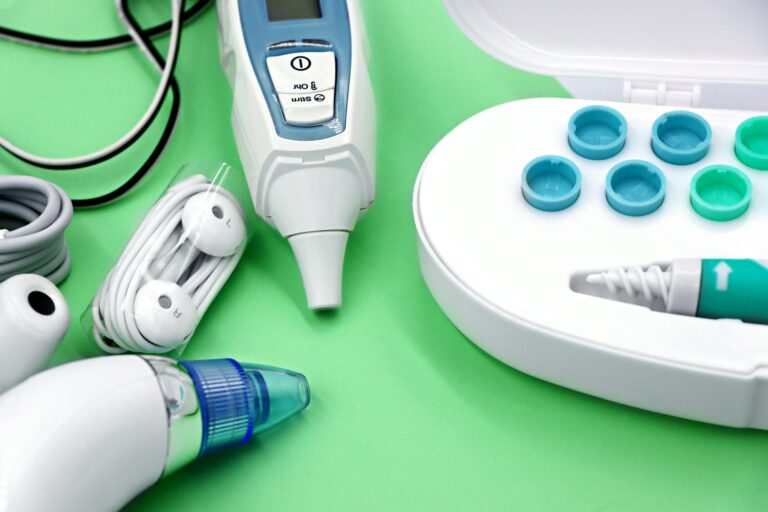
Yes, hearing tests can predict dementia risk — and the evidence behind that claim has grown strong enough that several researchers and clinicians now...