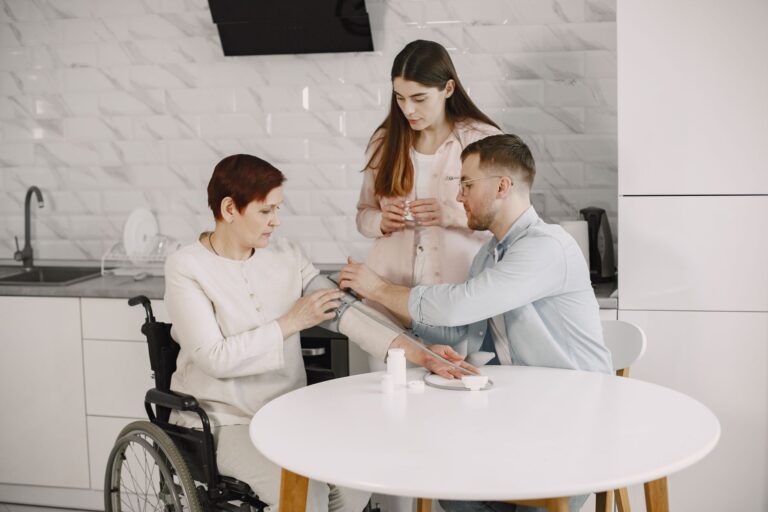
People with mild cognitive impairment due to early Alzheimer's can now start Leqembi at home with weekly skin injections instead of traveling for IV infusions. Leqembi, the brand name for lecanemab, is an antibody treatment that targets amyloid-beta buildup in the brain.
The July 13, 2026 decision approved Leqembi Iqlik 500 mg once weekly as two 250-mg autoinjector shots for starting treatment. Patients or caregivers can give the shots at home after training. People already on IV treatment, or considering it, may need to revisit route, schedule, monitoring, and caregiver plans.
Medical information disclaimer: This article is for general educational purposes only and does not provide medical advice, diagnosis, or treatment. Always consult a physician or other qualified health professional about symptoms, medications, tests, or treatment decisions.
Official resources:
- Read the official notice from FDA — Use this primary source to verify the official announcement.
- Read the official notice from Multivu — Use this primary source to verify the official announcement.
Table of Contents
- Who can consider the at-home start?
- How do the two routes compare?
- What safety follow-up still applies at home?
- What decisions should families revisit now?
- Frequently Asked Questions
Who can consider the at-home start?
Treatment is only for adults with mild cognitive impairment or mild dementia due to Alzheimer's with confirmed amyloid-beta pathology. That is the same early-stage group studied in trials. A positive amyloid test is required before starting either route. Mild cognitive impairment means noticeable memory or thinking changes that do not prevent daily independence.
Mild dementia means more impact on daily tasks but still early disease. A dementia specialist confirms the cause, reviews other health issues, and orders testing. People with more advanced dementia, or memory changes without amyloid, do not meet the indication. According to the FDA in the agency announcement, ApoE testing is recommended because ApoE ε4 homozygotes face higher rates of symptomatic, serious, and severe brain-swelling and bleeding events.
How do the two routes compare?
The prior IV regimen was weight-based 10 mg/kg infused over about one hour every two weeks. Subcutaneous 360 mg weekly was allowed only as maintenance after 18 months of IV starting in August 2025, according to Medscape in its August analysis.
The new option allows weekly 500 mg initiation from the start by two autoinjector shots under the skin. Eisai and Biogen stated in the company approval statement that patients may stay on either route or switch between IV and subcutaneous in either direction. Practical differences matter for follow-up decisions:.
- IV requires infusion-center visits every two weeks plus travel and chair time
- At-home shots remove infusion visits but require storage, handling, and weekly dosing on schedule
- Both routes still require clinic visits for brain scans and safety checks
- After 18 months, maintenance is 360 mg weekly for those who continue
What safety follow-up still applies at home?
Leqembi carries a boxed warning for amyloid-related imaging abnormalities with edema and hemosiderin deposition. These are brain swelling and small iron deposits from tiny bleeds seen on MRI. ApoE ε4 homozygotes carry higher risk. At-home dosing does not remove MRI surveillance.
Baseline MRI plus periodic MRIs and closer watch during the first 14 weeks remain recommended, with caregiver training and clinician oversight. Families should plan who will notice headache, confusion, dizziness, vision change, nausea, or gait trouble and call promptly. Ask the prescribing team for a written scan schedule, an after-hours contact, and injection training checkoffs. Keep a simple log of dose dates, missed doses, symptoms, falls, blood thinners, and new drugs. Bring it to every visit.
What decisions should families revisit now?
First, revisit whether to start, wait, or decline. The efficacy foundation is IV lecanemab slowing Clinical Dementia Rating Sum of Boxes worsening by 27% at 18 months versus placebo. Approval of the home start relied on extension substudies showing weekly shots reached exposure equivalent to IV, supporting similar amyloid removal and benefit. Second, revisit caregiver capacity. Home start needs a reliable person to learn injection technique, watch for side effects, drive to scans, and track doses.
If no caregiver can do this every week, IV with clinic staff may fit better. Third, revisit timing and supply. Initiation autoinjectors were planned for U.S. launch in late August 2026, with maintenance at 360 mg weekly after 18 months. Ask about availability, insurance coverage, out-of-pocket cost, and what to do if a dose is missed or a scan is delayed.
Frequently Asked Questions
Can someone switch from IV infusions to home shots?
Yes. Patients may remain on either route or switch IV-to-subcutaneous or reverse under clinician guidance.
Does home dosing mean fewer brain scans?
No. Baseline MRI, periodic MRIs, and enhanced vigilance during the first 14 weeks remain recommended.
Who needs ApoE testing before treatment?
Testing is recommended for candidates because ApoE ε4 homozygotes face higher symptomatic, serious, and severe ARIA rates.
You Might Also Like
- FDA’s 2026 At-Home Leqembi IQLIK Starting Dose: Follow-Up Decisions People With Mild Cognitive Impairment May Need to Revisit
- PrecivityAD2 Testing for Symptomatic Adults 40 and Older in 2026: Result Interpretation Questions for People With Mild Cognitive Impairment
- Dementia With Multiple Etiologies in the 2026 NIA Report: What Researchers Still Need to Learn for Spouses and Partners