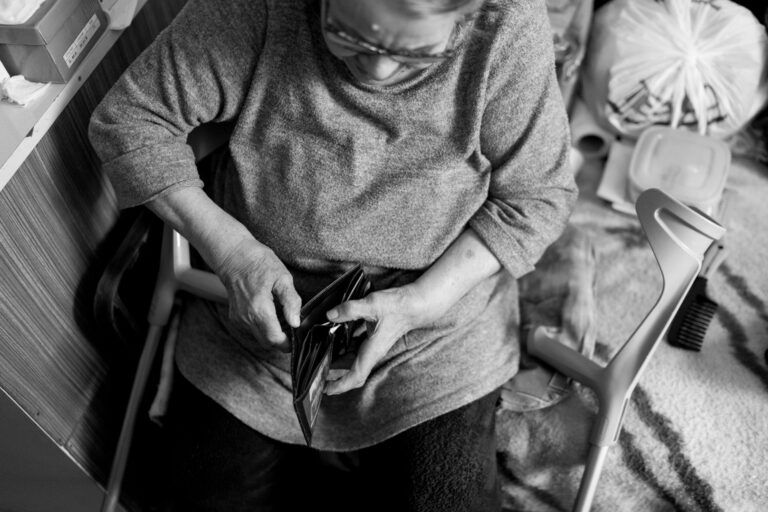
Yes, a paid family caregiver under CDPAP, New York's consumer-directed home-care program, can also face Medicaid work requirements, but not automatically. Whether the rule applies depends on the caregiver's own Medicaid group, age, and exemptions.
Federal law creates an 80-hours-per-month community-engagement rule through work, education, work programs, or community service for certain adults, according to the Centers for Medicare & Medicaid Services in its interim-rule fact sheet. CDPAP itself is separate. It lets a chronically ill or physically disabled person who needs help with daily activities or skilled nursing direct and hire their own assistant.
Medical information disclaimer: This article is for general educational purposes only and does not provide medical advice, diagnosis, or treatment. Always consult a physician or other qualified health professional about symptoms, medications, tests, or treatment decisions.
Official resources:
- Check eligibility on CMS’s official study page — Use this page to check the study’s participation requirements.
- Check eligibility on CMS’s official study page — Use this page to check the study’s participation requirements.
Table of Contents
- Who does the rule cover?
- Does paid CDPAP work count?
- Which exemptions help dementia caregivers?
- What should you check before renewal?
Who does the rule cover?
The rule applies only to non-pregnant adults ages 19-64 in the Medicaid ACA expansion adult group or certain Section 1115 demonstrations, according to the Centers for Medicare & Medicaid Services in its work-requirement framework announcement. It does not apply automatically to people who qualify through aged, blind, or disabled pathways.
That distinction matters for dementia families. Many care recipients qualify through age or disability and fall outside the rule. A younger adult child, grandchild, niece, or friend who serves as the paid aide could still be in the expansion group and need to show an exemption or qualifying activity.
Does paid CDPAP work count?
Yes, paid caregiving can count. A paid CDPAP family caregiver who is a 19-64 expansion enrollee can be subject to the rule unless exempt, but paid caregiving employment and income of 80 times minimum wage, about $580 per month, count as qualifying activity, according to KFF in its analysis of the 2025 reconciliation health provisions.
CDPAP assistants, often family members other than a spouse, designated representative, or parent of a consumer under 21, are paid with payroll, tax withholding, and employment records. Those records help show work hours or earnings. Keep pay stubs, hours summaries, and tax forms where you can find them.
Which exemptions help dementia caregivers?
Federal exemptions include parents and caretakers of children under age 14 or people with disabilities, plus pregnant, postpartum, disabled or medically frail, tribal, and certain other adults. Caring for a parent or spouse with dementia may fit the caregiver-of-a-person-with-disabilities exemption, but the state decides case by case.
The limit is that job title alone does not settle it. New York checks exemptions and verification at application or renewal on or after January 1, 2027, including caregiver, disability, Medicare, pregnancy, treatment, and hardship exceptions. Two aides in the same household can get different results if their health, age, Medicaid group, or caregiving role differs.
What should you check before renewal?
Ask which Medicaid group covers you, not only the person you assist. If you are 19-64 and in the expansion group, ask whether an exemption applies or whether your CDPAP hours and pay already meet the standard.
Bring the care recipient's diagnosis is not enough by itself. Bring proof of your role, hours, pay, and any health or hardship reason you claim.
- Confirm your eligibility group and renewal date
- Ask if you are listed as caregiver for a person with a disability
- Save CDPAP pay records showing hours and monthly earnings
- Report health limits, pregnancy, treatment, school, or hardship with proof
- Get help before renewal if forms ask about work or exemptions