A growing body of research confirms that what you eat can meaningfully influence your risk of developing dementia. Foods that fight chronic inflammation — leafy greens, berries, fatty fish, nuts, and olive oil among them — have been linked in large-scale studies to significantly lower rates of cognitive decline and Alzheimer’s disease. A 2024 study published in JAMA Network Open found that older adults who consumed the most inflammatory foods were three times more likely to develop dementia compared to those who ate the fewest, with the protective effect strongest in adults 60 years or older.
The connection between diet and brain health is not a vague correlation. A 15-year study from Sweden’s Karolinska Institutet, published in Nature Aging in July 2025, followed more than 2,400 seniors and found that diets rich in vegetables, whole grains, nuts, and healthy fats slowed the accumulation of chronic diseases including dementia, while pro-inflammatory diets built around red and processed meat, refined grains, and sugary drinks accelerated them. These findings align with a massive UK Biobank analysis of 166,377 participants that also linked pro-inflammatory eating patterns to increased risk of all-cause dementia and Alzheimer’s disease specifically. This article covers the specific foods and dietary patterns most strongly supported by research, the biological mechanisms that explain why they work, the foods you should limit or avoid, and practical ways to shift your eating habits toward a more brain-protective pattern — even if you are already at elevated genetic risk.
Table of Contents
- Which Anti-Inflammatory Foods Are Most Strongly Linked to Lower Dementia Risk?
- How Strong Is the Evidence That Diet Reduces Dementia Risk?
- What Happens in the Brain When You Eat Anti-Inflammatory Foods?
- How to Shift Toward a Brain-Protective Diet Without Overhauling Your Life
- Foods That Increase Inflammation and What the Research Says to Limit
- Can Diet Offset Genetic Risk for Alzheimer’s Disease?
- Where the Research Is Heading
- Conclusion
- Frequently Asked Questions
Which Anti-Inflammatory Foods Are Most Strongly Linked to Lower Dementia Risk?
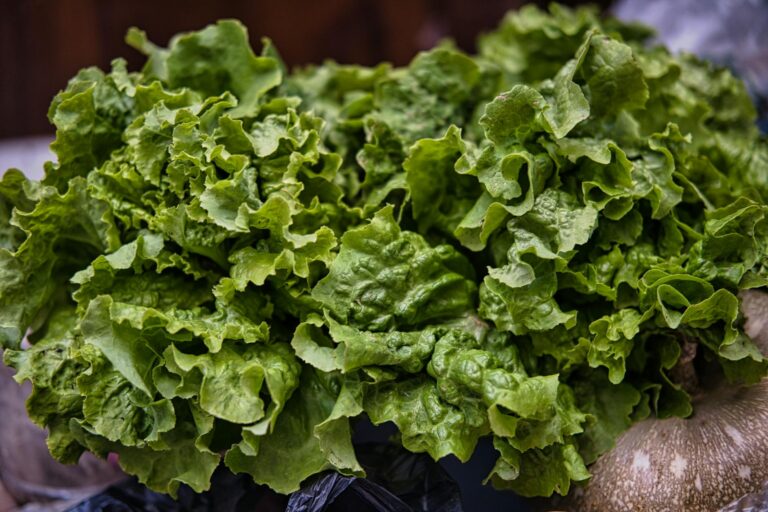
Two dietary frameworks have accumulated the most evidence: the Mediterranean diet and the MIND diet, which was specifically designed to target brain health. Both emphasize anti-inflammatory foods, but the MIND diet narrows the focus to the categories with the strongest neurological evidence. Its landmark study of 923 participants over an average of 4.5 years found that those with the highest adherence had a 53 percent reduction in Alzheimer’s disease rate, while even moderate adherence yielded a 35 percent reduction. In practical terms, adding just one additional MIND-recommended food component to your daily routine was associated with cognitive benefits equivalent to being two years younger in age. The specific foods that appear most consistently across the research include leafy greens such as spinach, kale, and lettuce, with the MIND diet recommending six or more servings per week.
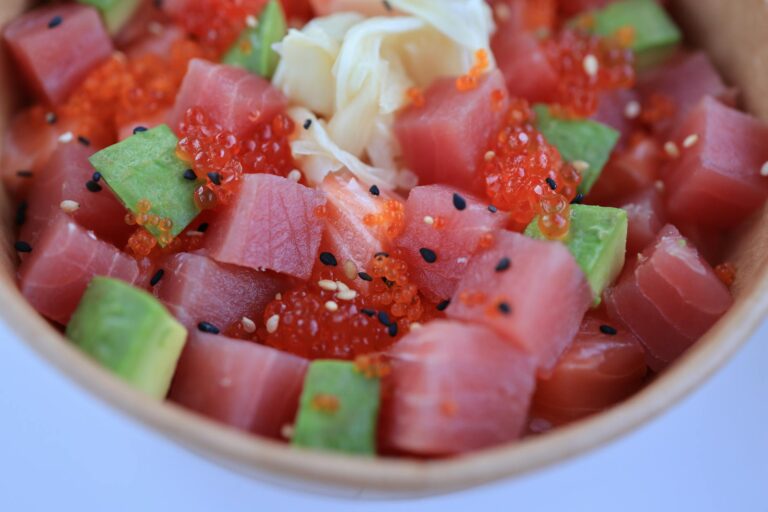
Berries — particularly blueberries, strawberries, and cherries — are emphasized at two or more servings per week due to their high polyphenol content. Fatty fish like salmon, sardines, and tuna are recommended at least once per week for their omega-3 fatty acids. Nuts, especially walnuts and almonds, appear at five or more servings per week in the MIND framework, alongside beans and legumes at three or more servings per week, whole grains at three or more servings per day, and olive oil as the primary cooking fat. Coffee and tea also appear in the research as sources of anti-inflammatory polyphenols, with green and black tea receiving particular attention. Spices such as turmeric, garlic, ginger, and onion contain compounds with documented anti-inflammatory properties, though their effects in isolation are harder to quantify than whole dietary patterns.

How Strong Is the Evidence That Diet Reduces Dementia Risk?
The evidence is substantial and comes from multiple study types across different populations. A meta-analysis of 10 trials found that higher Mediterranean diet adherence reduced overall dementia risk by 11 percent and Alzheimer’s disease incidence by 30 percent. A separate UK Biobank study of more than 60,000 participants published in 2023 found that those most closely following the Mediterranean diet had up to a 23 percent lower risk of dementia. One of the most striking recent findings came from Harvard in August 2025. Researchers found that closely following the Mediterranean diet lowered dementia risk by at least 35 percent in people carrying two copies of the APOE4 gene — the strongest known genetic risk factor for Alzheimer’s disease. This matters because it suggests diet can partially offset genetic predisposition, which was previously considered largely immutable.
For the roughly two to three percent of the population who carry two copies of APOE4, this finding is particularly significant. However, it is important to be clear about what these studies show and what they do not. Most of this evidence is observational, meaning it demonstrates association rather than direct causation. People who eat well tend to exercise more, have higher education levels, and engage in other protective behaviors, which makes isolating the effect of diet alone difficult. Randomized controlled trials of dietary interventions for dementia prevention are underway but remain limited. The consistency of findings across diverse populations and study designs strengthens the case, but no one should interpret these results as a guarantee.
What Happens in the Brain When You Eat Anti-Inflammatory Foods?
The biological mechanisms connecting anti-inflammatory foods to brain health involve several overlapping pathways. Omega-3 fatty acids, particularly DHA and EPA found in fatty fish, reduce inflammation within the brain itself, maintain the structural integrity of neuronal membranes, and facilitate the clearance of beta-amyloid plaques — the protein deposits that accumulate in Alzheimer’s disease. This is not simply about reducing general bodily inflammation; these fatty acids appear to act directly on brain tissue. Antioxidants and polyphenols, which are abundant in berries, leafy greens, and tea, inhibit the specific neuroinflammatory processes associated with Alzheimer’s disease. Research published in the journal Nutrients has detailed how these compounds interfere with inflammatory signaling cascades that, left unchecked, contribute to progressive neuronal damage.
A less intuitive pathway involves the gut microbiome. Anti-inflammatory diets shape the composition of gut bacteria, which in turn produce metabolites that enter systemic circulation and influence brain inflammation through what researchers call the gut-brain axis. On the other side of the equation, pro-inflammatory diets have been linked to accelerated brain aging in older adults. Research reported by PsyPost found that people consuming highly inflammatory diets showed faster structural deterioration of brain tissue. In other words, the damage from a poor diet is not merely the absence of protective benefits — inflammatory foods appear to actively hasten the kind of brain changes that precede dementia.

How to Shift Toward a Brain-Protective Diet Without Overhauling Your Life
One of the practical strengths of the MIND diet is that it does not require perfection. The study data showed meaningful benefits even at moderate adherence, which means you do not need to follow the plan rigidly to see results. A reasonable starting point is to identify the easiest additions: keeping a bag of walnuts at your desk, adding a handful of spinach to whatever you are already cooking, or swapping your usual cooking oil for extra virgin olive oil. These are low-effort changes with evidence behind them. The tradeoff worth acknowledging is cost. Salmon, fresh berries, and quality olive oil are more expensive than the processed foods they replace. Frozen berries and canned sardines offer more affordable alternatives with comparable nutritional profiles.
Dried beans and lentils are among the cheapest protein sources available and fit squarely within the recommended pattern. The MIND diet’s emphasis on whole grains — oats, brown rice, whole wheat bread — also tends to be budget-friendly compared to heavily processed grain products. Where people often stumble is in treating diet as all-or-nothing. Eating a salad for a week and then abandoning it accomplishes little. The studies showing benefits followed participants over years, not weeks. The Karolinska Institutet study tracked people for 15 years. The relevant question is not whether you can maintain a perfect diet for a month but whether you can make a handful of sustainable changes that stick over the long term.
Foods That Increase Inflammation and What the Research Says to Limit
The research identifies specific categories of food that drive inflammation and are associated with worse cognitive outcomes. Red and processed meats, refined grains, sugary beverages and sweets, butter and margarine, fried and fast foods, and excessive cheese consumption all appear on the list. The MIND diet specifically limits red meat to fewer than four servings per week, butter to less than one tablespoon per day, cheese to less than once per week, and fried or fast food to less than once per week. A word of caution: the evidence against individual foods is less precise than the evidence for dietary patterns. Eating cheese occasionally does not carry the same risk as a diet consistently built around processed meat and refined carbohydrates.
The UK Biobank study and the JAMA Network Open study both assessed overall dietary inflammatory potential using validated scoring systems, not single foods in isolation. Fixating on whether a particular ingredient is “good” or “bad” misses the point. What matters is the cumulative inflammatory load of your overall diet, week after week and year after year. It is also worth noting that for people already managing cardiometabolic conditions — diabetes, heart disease, or metabolic syndrome — the stakes may be higher. The JAMA Network Open study specifically found its strongest results among older adults with these existing conditions, suggesting that inflammatory diets compound risk when the body is already under metabolic stress.

Can Diet Offset Genetic Risk for Alzheimer’s Disease?
The August 2025 Harvard study on the Mediterranean diet and APOE4 gene carriers is one of the more encouraging findings in recent Alzheimer’s research. People carrying two copies of the APOE4 gene face dramatically elevated risk, and for years the prevailing assumption was that genetics of this magnitude could not be meaningfully counteracted by lifestyle changes. The finding that close Mediterranean diet adherence lowered dementia risk by at least 35 percent in this high-risk group challenges that assumption directly.
This does not mean diet erases genetic risk entirely. APOE4 carriers who follow a Mediterranean diet still face higher baseline risk than non-carriers. But the magnitude of the reduction — more than a third — is comparable to or greater than what many pharmaceutical interventions under investigation have achieved. For families with a history of Alzheimer’s disease, this represents an actionable, accessible form of risk reduction that does not require a prescription or a clinical trial.
Where the Research Is Heading
Several large-scale randomized controlled trials are currently testing whether dietary interventions can prevent or delay dementia in controlled settings, which would move the evidence from observational to causal. The growing understanding of the gut-brain axis is opening new lines of investigation into how specific foods influence brain inflammation through microbial pathways rather than direct nutrient delivery alone. Researchers are also working to identify whether certain anti-inflammatory compounds — omega-3s, specific polyphenols — are more critical than others, or whether the benefit truly depends on the whole dietary pattern working together.
What seems increasingly clear is that diet belongs in the conversation about dementia prevention alongside exercise, sleep, and cognitive engagement. It is not a cure, and no food will reverse established Alzheimer’s disease. But the accumulating evidence suggests that for people in midlife and beyond, the daily decision about what to eat is also a decision about long-term brain health — one made not once but thousands of times over the years that matter most.
Conclusion
The research connecting anti-inflammatory foods to lower dementia risk has reached a point where it can no longer be dismissed as preliminary. Studies spanning tens of thousands of participants across multiple countries consistently show that diets rich in leafy greens, berries, fatty fish, nuts, olive oil, and whole grains are associated with meaningful reductions in cognitive decline and Alzheimer’s disease. The mechanisms are biologically plausible, the effect sizes are clinically relevant, and the findings hold up even among people with the highest genetic risk. None of this requires radical change.
The MIND diet’s own data shows that moderate adherence — not perfection — delivers significant benefit. Starting with a few sustainable swaps, maintaining them over months and years, and gradually reducing reliance on processed and inflammatory foods is a reasonable, evidence-based approach. If there is a single takeaway from the last decade of research in this area, it is that protecting your brain is not a matter of finding the right supplement or superfood. It is about the ordinary meals you eat, day after day, for the rest of your life.
Frequently Asked Questions
How quickly can an anti-inflammatory diet affect brain health?
Most studies measure outcomes over years, not weeks or months. The Karolinska Institutet study followed participants for 15 years, and the MIND diet study averaged 4.5 years of follow-up. There is no reliable evidence that short-term dietary changes produce measurable cognitive benefits. The value of these diets lies in long-term, sustained patterns.
Is the Mediterranean diet or the MIND diet better for dementia prevention?
Both have strong evidence behind them and share many of the same foods. The MIND diet was specifically designed for brain health and produced a 53 percent reduction in Alzheimer’s risk at highest adherence, compared to the Mediterranean diet’s 23 to 30 percent reductions observed in large cohort studies. However, the MIND diet has been tested in fewer studies overall, and both are likely beneficial. Choosing either one over a standard Western diet is the more important decision.
Do anti-inflammatory supplements work as well as anti-inflammatory foods?
The evidence for whole dietary patterns is substantially stronger than the evidence for isolated supplements. Fish oil capsules, turmeric supplements, and antioxidant pills have not consistently replicated the benefits seen in food-based studies. This may be because the protective effect comes from the interaction of multiple compounds within whole foods, or because people who eat well tend to have other healthy habits that supplements alone cannot replicate.
Can you get these benefits if you start eating better in your 70s or 80s?
The JAMA Network Open study found the strongest protective effect in adults 60 years or older, which suggests that later-life dietary changes can still matter. However, the earlier you begin, the more cumulative benefit you are likely to receive. There is no evidence suggesting it is ever too late to benefit, but there is also no reason to delay.
Does one serving of salmon per week really make a difference?
The MIND diet recommends at least one serving of fatty fish per week, and studies have linked even this modest intake to reduced neuroinflammation and better beta-amyloid clearance. It is unlikely that a single weekly serving is transformative on its own, but as part of a broader anti-inflammatory eating pattern, it contributes meaningfully to the overall effect.