When interest in picture bingo, bingo played with images instead of numbers, changes in late-stage dementia, replace rule-following games with calm sensory connection. Helpful alternatives include favorite music, old photos, reading aloud, favorite foods, brushing hair, and sitting outside together.
Late-stage dementia means very advanced decline where words and multi-step tasks often fail. The Alzheimer's Association explains that people at this stage sense the world mainly through touch, sound, sight, taste, and smell late-stage caregiving guide. Interest fades because the senses stay reachable when rules do not.
Medical information disclaimer: This article is for general educational purposes only and does not provide medical advice, diagnosis, or treatment. Always consult a physician or other qualified health professional about symptoms, medications, tests, or treatment decisions.
Table of Contents
- Why does picture bingo lose appeal?
- What can you do instead today?
- How can touch and sound bring calm?
- What is Namaste Care?
- What can music therapy realistically do?
- How do you build senses into daily care?
Why does picture bingo lose appeal?
Picture bingo asks players to watch, match, wait for turns, and follow spoken cues. Each step needs attention, vision, hearing, and short-term memory. When those abilities decline, the game feels confusing or tiring. Withdrawal often signals overload, not stubbornness.
Watch for pushing the card away, staring past it, closing eyes, or growing restless. Those cues mean the demand exceeds current ability. Offer a simpler pleasure instead of urging continued play. Short, warm contact protects dignity and trust.
What can you do instead today?
Choose one familiar comfort at a time. Keep sessions brief and follow the person's response. Let the person set the pace.
Pause for smiles, eye contact, relaxed hands, or calmer breathing. Stop if tension rises and try another sense later. The Alzheimer's Association lists music, photos, reading aloud, favorite foods, hair brushing, and time outside as suitable replacements.
- play favorite music and hum along
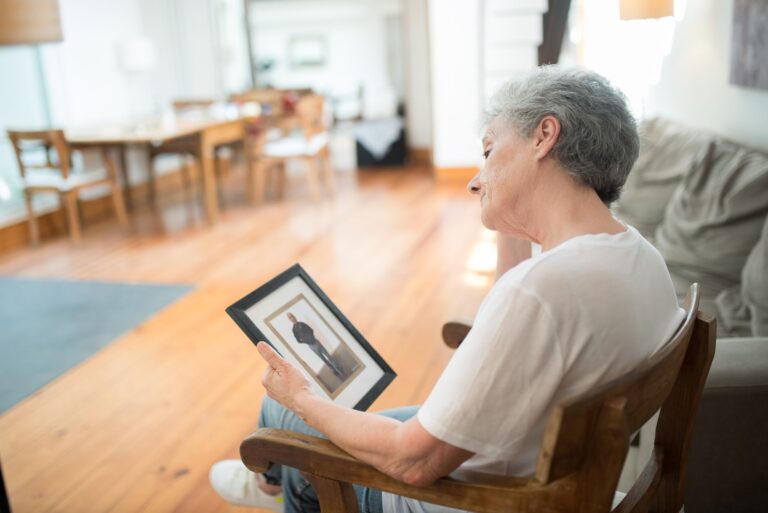
- look through old photos together
- read a loved passage aloud
- offer a favorite food or sip
- brush hair gently
How can touch and sound bring calm?
Gentle touch often reaches when words fail. The National Institute on Aging advises that gentle touch or massage can soothe people in the last stages care in the last stages. Use slow hand-holding, shoulder stroking, or lotion on hands. Watch the face and body for ease or tension.
Sound also shapes mood. The National Institute on Aging also notes that music, white noise, or nature sounds relax some people and lessen agitation. Try soft singing, a known hymn, birdsong, or low background hum. Keep volume low and stop if restlessness grows.
What is Namaste Care?
Namaste Care means structured one-to-one sensory care for advanced dementia. It offers music, gentle massage, scent, memory prompts, and snacks in a calm, dedicated space. The Annals of Palliative Medicine pilot describes this approach as comfort care instead of demanding group games. It suits people who withdraw from bingo and other group contests.
A Lancaster University feasibility trial tested this model in UK nursing homes. The trial focused on residents with advanced dementia who gained little from usual activities. It aimed to give comfort and pleasure through engagement, touch, and movement. Ask a care home whether it offers quiet sensory time or Namaste-style sessions.
What can music therapy realistically do?
Music helps mood in the short term. A 2025 Cochrane review studied music-based therapy for dementia Cochrane review summary. At least five sessions probably eases depressive symptoms and may ease overall behavioral problems compared with usual care.
Gains in social behavior are also possible compared with other activities. Limits matter for planning. The same Cochrane review found no lasting benefit after treatment ends and no clear effect on agitation, aggression, thinking, or emotional well-being. Expect a calmer, warmer moment rather than lasting memory gain.
How do you build senses into daily care?
Link senses to tasks you already do. The Alzheimer's Foundation of America suggests pairing routine actions with senses, such as washing hands to familiar music therapeutic activities by stage. Keep stimulation simple and skip complex rules.
Let a smell, texture, song, or taste carry the moment. Try a warm hand wash with music, a favorite snack, or a short verse by a window. Do one thing slowly and narrate gently. Note what soothed today and repeat it tomorrow.