Reviewed by the Help Dementia Editorial Team — our editors review every article for accuracy against guidance from the National Institute on Aging, the Alzheimer’s Association, and peer-reviewed sources.
Activity-based interventions sits at the center of this dementia and brain health question.
Activity-based interventions—structured programs combining physical exercise, cognitive engagement, and social participation—have demonstrated a measurable ability to slow the rate of functional decline in Alzheimer’s disease patients. Research shows that people with Alzheimer’s who engage in regular, purposeful activities experience a slower loss of independence in daily tasks compared to those who remain sedentary or socially isolated. For example, a person with mild cognitive impairment who participates in three weekly exercise sessions and cognitive stimulation programs may maintain the ability to manage finances, cook meals, or recognize family members for several additional months or even years beyond what typical disease progression would predict.
The key distinction is that these interventions do not reverse Alzheimer’s or stop the underlying brain pathology. Rather, they appear to help the brain compensate for damage, activate alternative neural pathways, and preserve functional reserve—the brain’s ability to work around decline. The mechanism likely involves improved blood flow, reduced inflammation, better sleep quality, enhanced mood regulation, and maintained synaptic connections through repeated use and challenge.
Table of Contents
- How Do Activity-Based Interventions Slow Cognitive and Functional Decline?
- What Types of Physical Activity Prove Most Effective?
- Cognitive and Social Activities That Support Brain Health
- How to Implement Activity Programs in Real Caregiving Situations
- Behavioral Challenges and Barriers to Sustained Participation
- The Role of Structured Programs Versus Home-Based Activities
- Emerging Research and Future Directions
- Conclusion
How Do Activity-Based Interventions Slow Cognitive and Functional Decline?
Activity-based interventions work through multiple biological and psychological pathways simultaneously. Physical exercise increases blood flow to the brain, triggers the production of brain-derived neurotrophic factor (BDNF), which supports neuronal survival and growth, and reduces inflammation linked to neurodegeneration. Cognitive activities maintain neural plasticity—the brain’s ability to form new connections—by creating demand for specific mental operations. Social engagement activates reward systems and emotional processing areas, which can counteract the mood decline and withdrawal common in Alzheimer’s. A comparison illustrates the difference: two individuals with the same degree of Alzheimer’s pathology may have very different functional outcomes.
One who walks 30 minutes daily, participates in a book club, and does crossword puzzles might remain able to dress and bathe independently, while another who is sedentary and isolated may lose these abilities more quickly. This gap widens over months and years. The protective effect isn’t unlimited—Alzheimer’s will eventually progress—but the window of functional independence can be meaningfully extended. research from dementia care centers shows that residents participating in structured activity programs show measurable slowing in decline on standardized functional assessments compared to control groups, even when cognitive decline continues at a similar rate. This suggests that activities help maintain the ability to perform tasks even as memory and thinking worsen.

What Types of Physical Activity Prove Most Effective?
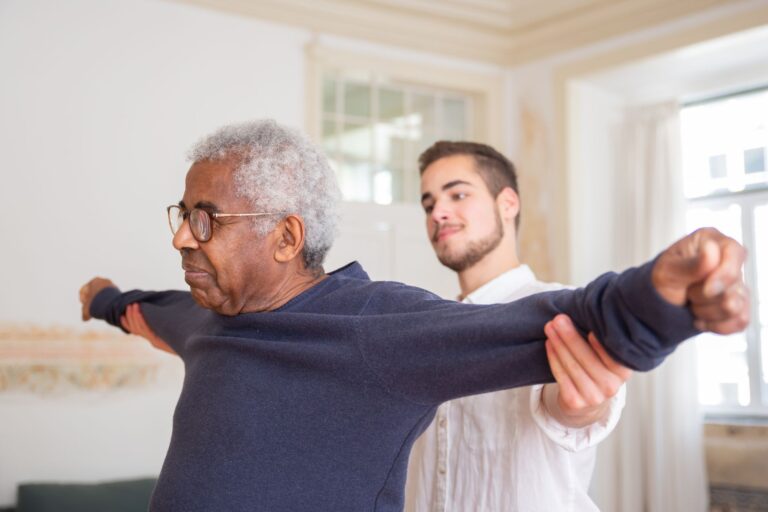
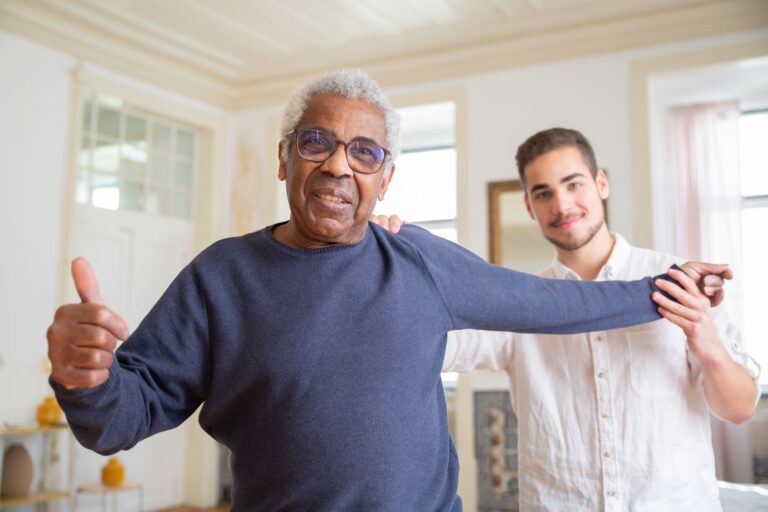
Aerobic exercise, particularly activities that elevate heart rate for 20-45 minutes, shows the strongest evidence for slowing decline. Walking, swimming, dancing, and cycling are accessible options for most people with Alzheimer’s, even those in moderate stages. The cardiovascular benefit appears to be specifically neuroprotective in ways that light activity alone does not achieve. A significant limitation is that compliance and safety become increasingly challenging as Alzheimer’s progresses. A person with advanced dementia may forget exercise routines, become confused about where they are during a walk, or lose the motivation to continue.
Supervision becomes necessary, increasing caregiver burden. Additionally, the benefits diminish if activity is stopped—people with Alzheimer’s who exercise for six months then become sedentary quickly lose cognitive gains. This creates a long-term commitment requirement that many families cannot sustain without professional support or adult day programs. Resistance training and balance exercises also show benefits, particularly for maintaining physical strength and reducing fall risk—critical because falls are a major cause of decline in Alzheimer’s patients. Combining aerobic, strength, and balance work appears more effective than any single type alone, but also requires more structure and often professional guidance to be performed safely.
Cognitive and Social Activities That Support Brain Health
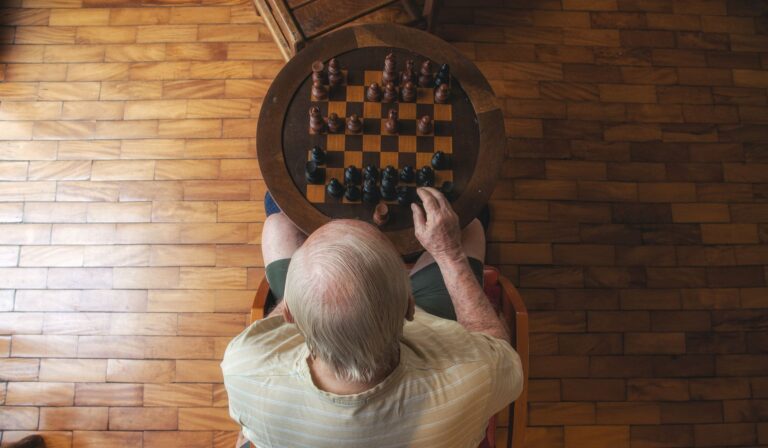
Cognitively engaging activities—those that require active thinking rather than passive entertainment—include learning new skills, games that require strategy or memory, creative pursuits like art or music, and educational classes. Engaging with novel or moderately challenging material is more protective than routine or familiar tasks. For instance, learning to paint or play a musical instrument provides greater benefit than repeatedly watching television, even if both are enjoyable. Social engagement during these activities multiplies the benefit. A person attending a group exercise class receives the cognitive-social boost of remembering classmates and instructors, following group choreography, and conversing before and after.
A person exercising alone at home receives cardiovascular and some cognitive benefit but misses the social-emotional component. Research suggests that the combination—physical activity plus cognitive challenge plus social connection—produces better outcomes than any single element. A specific example: seniors with Alzheimer’s in one study attended weekly ballroom dancing classes. They experienced slowed cognitive decline compared to a control group doing non-dance activities. Dancing combines all three elements: physical movement, cognitive attention to steps and rhythm, and social partnership. Many participants reported improved mood and willingness to socialize more broadly.

How to Implement Activity Programs in Real Caregiving Situations
Creating a sustainable activity program requires matching interventions to the person’s current abilities and interests. Someone in the early stage with mild cognitive impairment may successfully participate in regular gym classes, volunteer work, or cognitive training programs independently or with occasional support. Someone in the moderate stage may need more structure and reminders but can still benefit from exercise programs, art classes, or supervised group outings. In advanced stages, activities must be adapted—shorter duration, simpler tasks, more one-on-one attention. The practical challenge is that family caregivers are often exhausted and have limited time and resources. A well-intentioned plan for daily walks and weekly art classes may collapse within weeks when it competes with other care demands, medical appointments, and exhaustion.
Professional support—adult day programs, in-home aides, senior centers, or memory care communities with activity programming—significantly increases the likelihood of sustained engagement. However, these services are expensive and not universally accessible. Families without resources often cannot maintain consistent activity programs despite understanding their benefit. Starting small and building incrementally works better than ambitious plans that become unsustainable. Three 20-minute walks per week, consistently maintained, provides more benefit than plans for daily exercise that last two weeks then stop. Community resources—free or low-cost senior centers, library programs, volunteer-led support groups—can supplement family efforts without prohibitive cost.
Behavioral Challenges and Barriers to Sustained Participation
As Alzheimer’s progresses, a person may resist activities they previously enjoyed. Apathy—a symptom of the disease—reduces intrinsic motivation. Someone might refuse to exercise, withdraw from social events, or lose interest in hobbies they once loved. Additionally, anxiety, agitation, or confusion may arise during activities. A person might become frightened in a crowded fitness class or confused about where they are during a group outing, leading to distress rather than benefit. A critical warning: forced participation or excessive pressure backfires.
Coercing someone with dementia to exercise when they are resistant often leads to behavioral escalation, reduced trust in caregivers, and increased caregiver stress. The goal is engagement, not compliance through force. This sometimes means accepting lower participation levels than would be ideal or creatively reframing activities to match the person’s current interests and abilities rather than pre-set programs. Safety concerns also limit activity choices. Someone with balance problems or advanced dementia cannot safely participate in many group classes without specialized facilities and trained supervisors. Risk of injury, wandering during outings, or becoming lost requires careful planning and ongoing assessment of ability.

The Role of Structured Programs Versus Home-Based Activities
Structured programs—adult day services, senior centers, memory care community activities, or dementia-specific exercise classes—offer consistency, trained staff, peer interaction, and activity variety. Research shows that people in these programs often maintain function longer than home-bound individuals. However, they require transportation, cost money (often substantial), and may not be available in all areas. Home-based activities—family-led exercise, puzzles, games, music listening, or gardening—are flexible, low-cost, and can be personalized.
A daughter walking with her father daily and playing card games with him has direct evidence of the benefit. Yet home-based activities often depend entirely on caregiver availability and knowledge. When the primary caregiver is ill, busy, or burned out, activities stop. Hybrid models—combining some professional programs with family-led activities—often work best, though they require coordination and resources.
Emerging Research and Future Directions
Ongoing research is exploring whether specific combinations of activities work synergistically better than others, optimal frequency and duration, and whether certain types of interventions benefit specific subtypes of Alzheimer’s or stages of disease. Some evidence suggests that personalized activity programs—tailored to the individual’s remaining abilities, preferences, and interests—may outperform one-size-fits-all approaches. Virtual reality platforms and remote-delivery programs are emerging as potential solutions for accessibility, though evidence for their effectiveness is still developing.
The future likely involves more dementia-friendly community design, making participation in regular activities easier for people with cognitive impairment. This includes accessible transportation, programs specifically designed for cognitive decline, trained facilitators, and support systems that reduce caregiver isolation. Universal adoption of such infrastructure could make the benefits of activity-based interventions available to far more people than currently access them.
Conclusion
Activity-based interventions—combining physical exercise, cognitive engagement, and social participation—provide one of the most evidence-based, non-pharmaceutical approaches to slowing functional decline in Alzheimer’s disease. The effect is not curative, but it is meaningful: extended independence in daily living, better mood and quality of life, and sometimes slowed progression of cognitive decline. The key is consistency and matching interventions to the individual’s abilities and preferences.
For families and caregivers, the practical priority is establishing whatever sustainable activity program is feasible in your specific situation, whether that is professional programs, community resources, or home-based activities. Starting early—before advanced dementia develops—builds the foundation for continued engagement. Consulting with your healthcare provider about what activities are safe and appropriate for your family member’s stage of disease is essential. The evidence supports the effort; the challenge is making it accessible and sustainable.
You Might Also Like
- Wearable EEG Devices Track Brain Activity in Alzheimer’s Patients
- Virtual Reality Applications Support Alzheimer’s Patient Engagement
- Vascular Research Explores Blood Flow Connections to Alzheimer’s Disease
For more, see National Institute on Aging.