The 2-year LatAm-FINGERS trial found that continuous lifestyle coaching improved global cognition 55% more than periodic health advice in adults aged 60-77 at elevated dementia risk. For people with mild cognitive impairment — noticeable thinking and memory changes that do not meet dementia criteria — the practical takeaway is to track daily signals like memory slips, habits and vascular numbers, then bring that record to a clinician rather than self-diagnosing. The trial enrolled 1,065 participants across 11 Latin American countries. Its profile overlaps at-risk and mild-cognitive-impairment populations, so the results speak to monitoring and risk reduction, not home diagnosis.
Medical information disclaimer: This article is for general educational purposes only and does not provide medical advice, diagnosis, or treatment. Always consult a physician or other qualified health professional about symptoms, medications, tests, or treatment decisions.
Table of Contents
- What did the structured program include?
- Who showed the strongest gains?
- What can you track without self-diagnosing?
- Why does tracking still need a clinician?
What did the structured program include?
The structured group received supervised aerobic and resistance exercise, nutrition counseling based on the MIND diet with local foods, computerized cognitive training, vascular-risk monitoring and social group meetings. The program included 38 social meetings over two years, according to ScienceDaily reporting on the Alzheimer's Association International Conference conference report.
The comparison group received flexible lifestyle support with periodic general health advice. The contrast was continuous coaching versus occasional guidance, not treatment versus no care. Daily habits were the intervention.
Who showed the strongest gains?
Benefits went beyond the composite global-cognition score to memory, executive function and processing speed. Gains were particularly strong in participants with lower baseline scores and less formal education, according to the Rainwater Charitable Foundation AAIC 2026 summary.
Enrollees were 60-77 with cardiovascular risk factors and suboptimal cognitive performance but without dementia. That enrollment profile overlaps the at-risk and mild-cognitive-impairment populations described by the Alzheimer's Association in its association announcement.
What can you track without self-diagnosing?
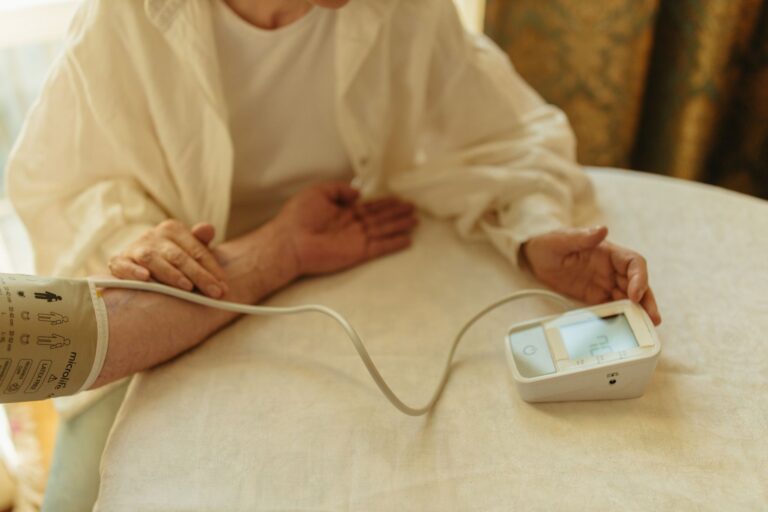
People with mild cognitive impairment can log observable signals and share the diary with a clinician. Alzheimer's Research UK describes this bring-the-diary approach rather than interpreting changes alone. Useful entries include:.
Why does tracking still need a clinician?
The trial showed cognitive improvement over two years but did not prove prevention of dementia. The results support risk reduction and monitoring, not a home diagnosis or guarantee against progression.
Mild cognitive impairment diagnosis requires clinician evaluation with objective testing such as MMSE, MoCA or a neuropsychological battery. Alzheimer's Research UK advises regular medical follow-up for new or worsening symptoms, so bring recent examples, vascular readings and medication lists to each visit.
You Might Also Like
- AAIC 2026 PROTECT-Cog Lifestyle and GLP-1 Trial: A Source-Checked Research Briefing for People With Mild Cognitive Impairment
- p-tau217 Findings a Decade Before Alzheimer’s Symptoms in 2026: A Source-Checked Research Briefing for People With Mild Cognitive Impairment
- FDA’s 2026 At-Home Leqembi IQLIK Starting Dose: What the News Means for People With Mild Cognitive Impairment