Living with Parkinson’s disease fundamentally changes how the body heals from injury””a reality that countless individuals and their caregivers confront when falls, surgeries, or accidents intersect with an already challenging neurological condition. The combination of motor symptoms, medication effects, and the disease’s impact on the brain’s recovery mechanisms creates a recovery landscape that differs substantially from what healthy individuals experience. Understanding this intersection is not merely academic; it shapes practical decisions about rehabilitation approaches, realistic timeline expectations, and the emotional preparation needed for what is often a longer, more complex healing journey.
Consider the experience common to many Parkinson’s patients: a fall at home leads to a hip fracture, but the recovery involves not just bone healing but navigating how tremors affect physical therapy, how dopamine medications interact with pain management, and how the psychological toll of increased dependency compounds existing disease-related depression. These layered challenges require coordinated care strategies that address the whole person rather than isolated medical events. This article explores the unique challenges of injury recovery when Parkinson’s disease is present, examining the physiological factors that complicate healing, the practical realities of rehabilitation, and the emotional dimensions that often go unaddressed. We will discuss how falls become more frequent and more dangerous, what rehabilitation approaches show promise, and how caregivers can support recovery while managing their own wellbeing.
Table of Contents
- How Does Parkinson’s Disease Affect the Body’s Ability to Recover from Injury?
- The Heightened Risk of Falls and Injuries in Parkinson’s Patients
- Rehabilitation Approaches: What Works Differently for Parkinson’s Patients
- The Emotional Landscape of Recovery: Grief, Frustration, and Resilience
- Medication Management During Injury Recovery: Navigating Complex Interactions
- Caregiver Perspectives: Supporting Recovery While Sustaining Yourself
- When Recovery Plateaus: Setting Realistic Expectations
- Looking Ahead: Integrated Care Models and Emerging Approaches
- Conclusion
How Does Parkinson’s Disease Affect the Body’s Ability to Recover from Injury?
parkinson‘s disease creates multiple biological obstacles to injury recovery that extend far beyond the visible motor symptoms most people recognize. The dopamine deficiency that characterizes the condition affects not only movement but also sleep quality, mood regulation, and cognitive function””all of which play documented roles in how the body heals from physical trauma. Historically, research has indicated that Parkinson’s patients experience longer hospital stays after injuries and face higher rates of complications during recovery periods compared to age-matched individuals without the disease. The medications used to manage Parkinson’s symptoms introduce their own complications during recovery. Levodopa and other dopaminergic drugs can cause orthostatic hypotension, increasing fall risk during rehabilitation when patients are working to regain mobility.
These same medications may interact unpredictably with pain medications, anesthetics, and other drugs commonly used in post-injury care. A patient recovering from surgery, for example, might find their carefully calibrated Parkinson’s medication timing disrupted by hospital schedules, leading to increased symptom severity at precisely the time when controlled movement matters most for healing. However, the body’s fundamental healing mechanisms””tissue repair, bone regeneration, immune response””remain intact in Parkinson’s patients. The challenge lies not in an inability to heal but in the additional barriers that must be overcome and the increased support required during the process. This distinction matters because it shifts the conversation from pessimism to practical problem-solving.

The Heightened Risk of Falls and Injuries in Parkinson’s Patients
Falls represent the most common pathway to injury for people living with Parkinson’s disease, with various studies over the years suggesting that a substantial majority of patients will experience at least one fall annually. The combination of postural instability, freezing of gait, reduced arm swing for balance, and slower reflexes creates a constellation of risk factors that accumulates as the disease progresses. What might be a minor stumble for a healthy person can become a serious fall for someone whose body cannot mount a rapid corrective response. The types of injuries sustained also differ in important ways. Parkinson’s patients more frequently experience hip fractures, head injuries, and wrist fractures””injuries associated with falls where protective reflexes fail to engage properly.
A person without Parkinson’s typically extends their arms to break a fall or turns to land on a shoulder; the movement delays in Parkinson’s often prevent these protective responses, resulting in more direct impacts. Head injuries carry particular concern given the existing neurological vulnerability, and some research has explored whether traumatic brain injury might accelerate Parkinson’s progression, though this relationship remains under investigation. Environmental modifications can meaningfully reduce fall risk, but they require honest assessment of current abilities rather than reliance on past capabilities. Removing throw rugs, installing grab bars, improving lighting, and wearing appropriate footwear seem like simple interventions””and they are””but many patients and families delay implementation, viewing such changes as premature or as conceding ground to the disease. This psychological barrier deserves direct acknowledgment: adapting the environment is not surrender but rather a practical strategy that preserves independence by preventing the injuries that would far more severely limit it.
Rehabilitation Approaches: What Works Differently for Parkinson’s Patients
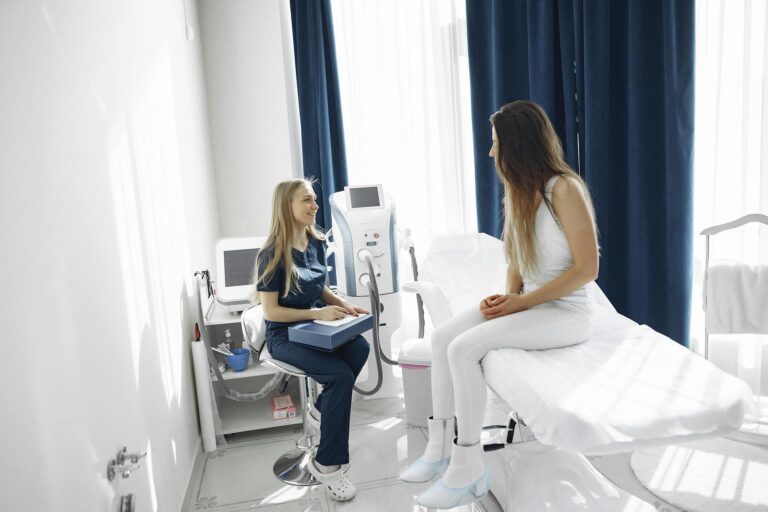
Standard rehabilitation protocols often require modification when applied to Parkinson’s patients, and physical therapists experienced with neurological conditions bring valuable expertise to this process. The timing of therapy sessions relative to medication schedules can dramatically affect outcomes””conducting intensive physical therapy during an “off” period when medications have worn off may be counterproductive compared to scheduling sessions during optimal medication windows. This seems obvious once stated, but it requires coordination between rehabilitation staff, neurologists, and patients that does not always occur in fragmented healthcare systems. Specific therapeutic approaches have shown particular promise for this population. Programs emphasizing large-amplitude movements, such as LSVT BIG therapy, were developed specifically for Parkinson’s patients and address the tendency toward increasingly small, shuffling movements that increases fall risk.
Aquatic therapy offers the benefits of exercise with reduced fall risk and joint stress. balance training that incorporates dual-task activities””practicing physical movements while simultaneously engaging in cognitive tasks””may better prepare patients for real-world conditions where attention is divided. However, if a patient has significant cognitive impairment alongside their Parkinson’s diagnosis, some rehabilitation approaches may need substantial adaptation. Complex exercise sequences may be difficult to learn and retain, cueing strategies may be less effective, and the ability to practice independently between sessions may be limited. Families should discuss cognitive status openly with rehabilitation providers so that therapy plans reflect the individual’s actual capabilities rather than assumptions based on diagnosis alone.
The Emotional Landscape of Recovery: Grief, Frustration, and Resilience
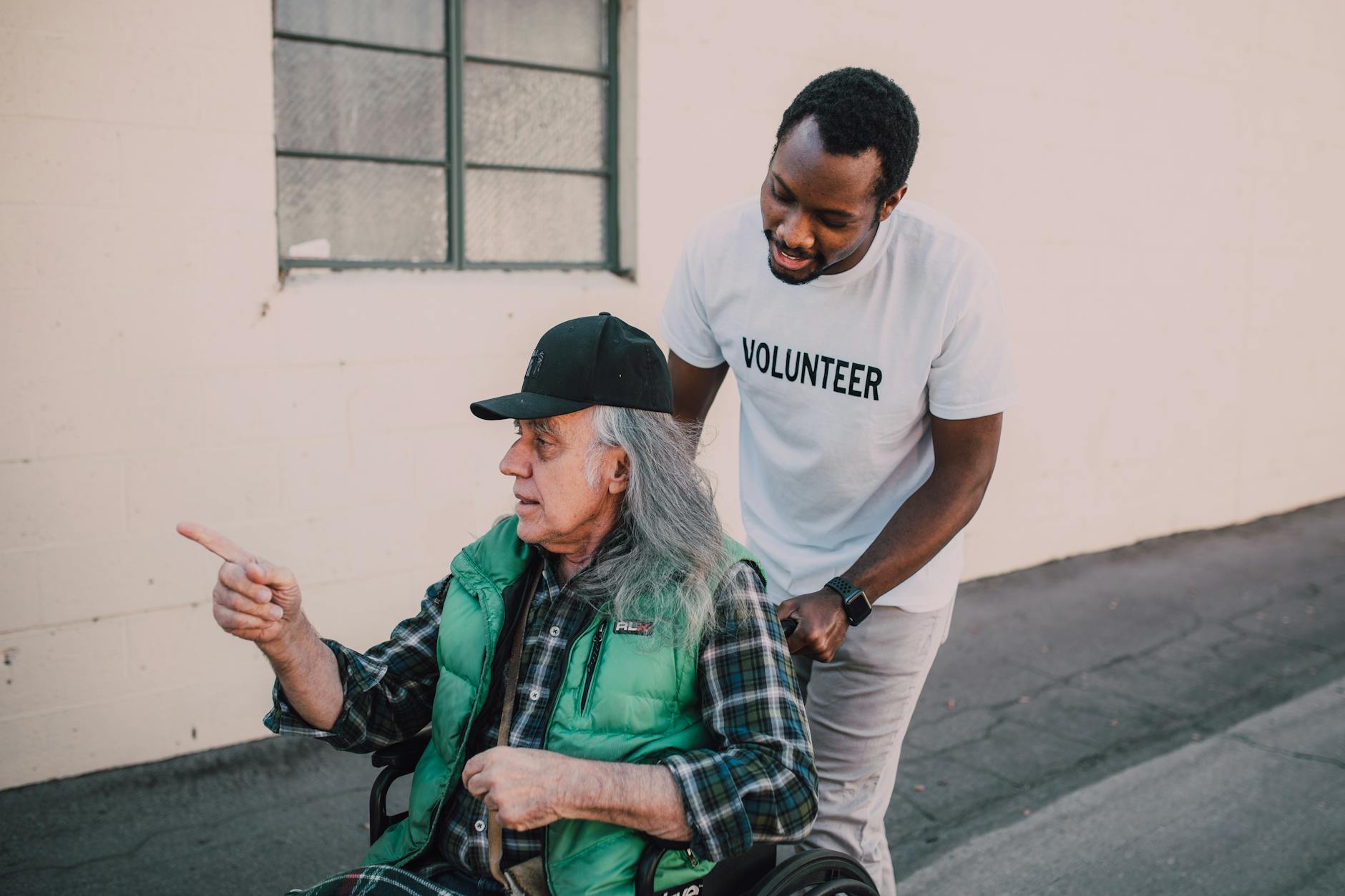
The psychological dimensions of injury recovery in Parkinson’s disease deserve attention equal to the physical aspects, yet they frequently receive less. An injury and its aftermath can trigger or worsen depression, which already affects a significant portion of Parkinson’s patients as a direct result of the disease’s neurochemistry rather than merely a response to circumstances. The enforced dependency of recovery””needing help with basic functions, losing hard-won independence””can feel like a preview of disease progression, prompting grief that is entirely legitimate but often unacknowledged by medical providers focused on physical healing metrics. Frustration during rehabilitation commonly reaches levels that impede progress. Relearning movements that were once automatic, experiencing setbacks that seem disproportionate to effort expended, and communicating needs when speech is affected all contribute to a sense of battling one’s own body. Caregivers witness this frustration daily and often absorb its impact while simultaneously managing their own exhaustion and worry.
Neither patient nor caregiver benefits from minimizing these emotional realities in favor of relentless positivity. Yet many patients and caregivers also report unexpected dimensions of resilience and meaning-making during recovery periods. Relationships sometimes deepen through shared challenge. Creative problem-solving develops. A clearer sense of priorities emerges. These outcomes are not guaranteed, nor are they compensation for suffering, but their possibility merits acknowledgment. One woman whose husband broke his arm during a fall described how the intensive time together during his recovery became an opportunity to discuss fears about his disease progression that they had both been avoiding””conversations that ultimately strengthened their ability to face the future together.
Medication Management During Injury Recovery: Navigating Complex Interactions
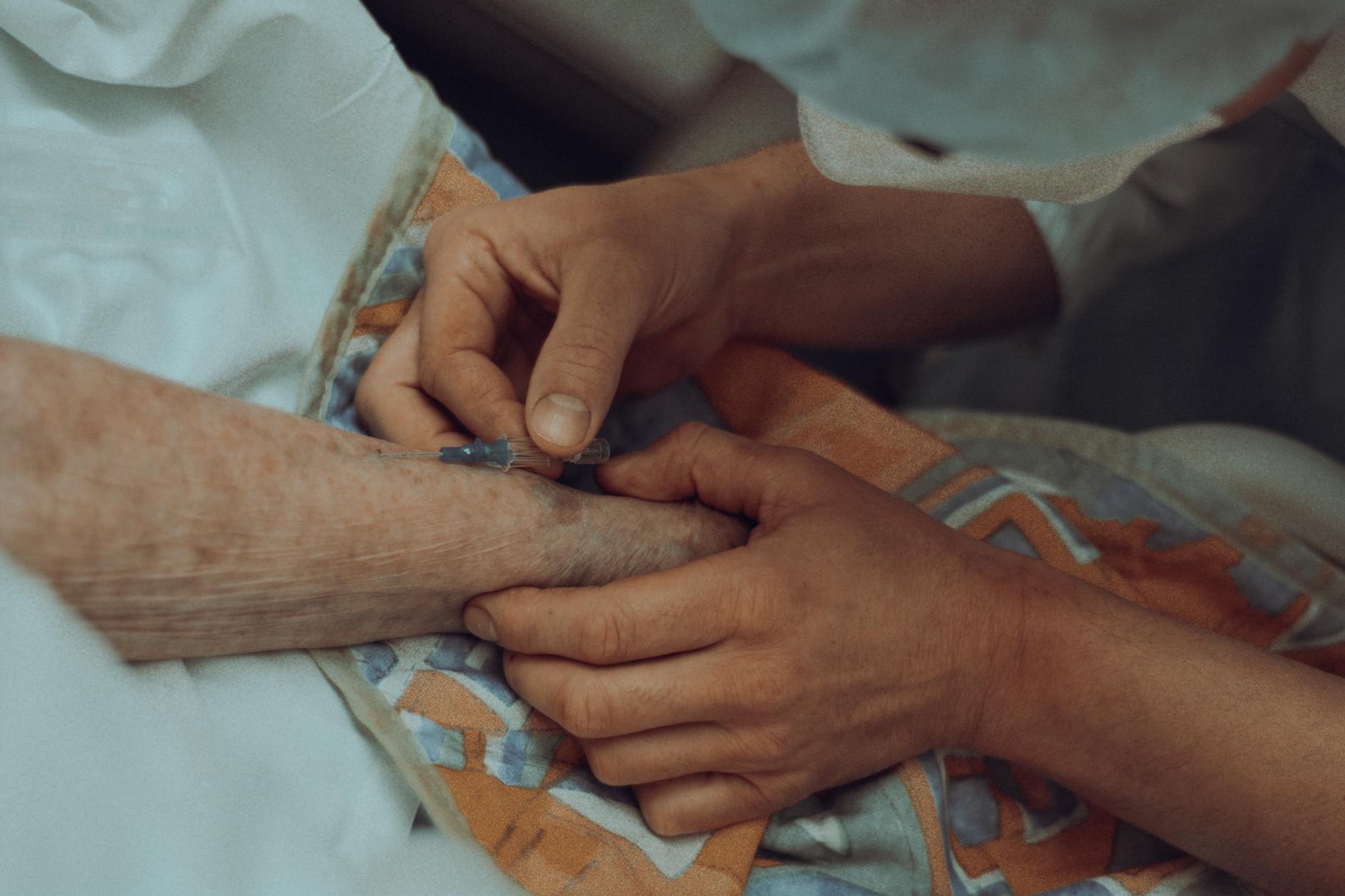
The pharmacological complexity facing Parkinson’s patients during injury recovery creates challenges that require proactive management rather than reactive problem-solving. Parkinson’s medications must often be continued through hospitalizations and recovery periods, yet hospital settings may not accommodate the precise timing these medications require for optimal effect. A patient accustomed to taking levodopa every three hours may find hospital medication schedules delivering doses at four- or five-hour intervals, leading to symptom breakthrough that complicates recovery. Pain management presents particular difficulties. Many opioid medications can worsen constipation already prevalent in Parkinson’s patients and may contribute to confusion, especially in older adults.
Some pain medications interact with MAO-B inhibitors commonly used in Parkinson’s treatment, requiring careful drug selection. Conversely, inadequate pain control impedes participation in rehabilitation and can worsen sleep, itself critical for healing. The balance is genuinely difficult to achieve and may require adjustment throughout recovery. Patients and caregivers can improve outcomes by maintaining current, detailed medication lists””including exact dosages and timing””and providing these to all treating providers. However, this assumes a level of health literacy and organizational capacity that not all patients possess, particularly those with cognitive changes. Family members or patient advocates who can serve this coordination function become valuable members of the care team, bridging communication gaps between specialists who may not otherwise coordinate effectively.
Caregiver Perspectives: Supporting Recovery While Sustaining Yourself
Caregivers occupy a demanding position during injury recovery that intensifies their already substantial responsibilities. The additional physical tasks””more frequent assistance with mobility, wound care, medication management””layer onto existing caregiving duties while the emotional weight of worry about the immediate injury compounds ongoing concerns about disease progression. Caregiver burnout during these periods is not weakness but a predictable consequence of unsustainable demands. Practical strategies for caregiver preservation during recovery periods include clearly identifying tasks that can be delegated to other family members, friends, or paid helpers; recognizing that accepting help is not failure but wise resource management; and maintaining at least minimal self-care activities even when time seems impossibly scarce. One caregiver described setting a non-negotiable fifteen-minute daily walk during her husband’s hip fracture recovery””a modest commitment that nonetheless provided essential mental reset.
Her sister came for those fifteen minutes, and the arrangement benefited everyone. The comparison between going it alone and building a support network involves real tradeoffs. Accepting help requires vulnerability, coordination effort, and sometimes tolerating assistance that differs from how one would do things personally. Some caregivers find these costs worthwhile; others find them nearly as draining as doing everything themselves. There is no universally correct answer, only the honest assessment of what actually helps versus what adds burden disguised as support.
When Recovery Plateaus: Setting Realistic Expectations
Recovery from injury in Parkinson’s patients may not follow the trajectory expected from general population data, and acknowledging this reality””while uncomfortable””ultimately serves patients and families better than false optimism. Some patients return to their pre-injury functional baseline; others reach a new baseline that represents meaningful recovery but falls short of previous levels. Still others experience injury as a turning point after which disease progression seems to accelerate. The reasons for these varied outcomes are not fully understood and cannot be reliably predicted at the outset of recovery. The concept of “good enough” recovery deserves consideration even when it feels like settling.
If a patient recovering from a fall can safely navigate their home but no longer confidently manages uneven outdoor terrain, this represents successful adaptation to changed circumstances rather than failure to fully recover. Functional goals focused on meaningful daily activities often prove more useful than abstract measures of strength or range of motion. The question becomes not “how close to normal” but “what does this person need to do, and can they do it safely?” Families should be wary of recovery timelines that seem overly optimistic, but they should equally resist premature conclusions that further improvement is impossible. The body’s healing processes continue for months after injury, and function can continue improving even when underlying tissue damage has finished resolving. Regular reassessment of goals and capabilities allows adjustments that neither push inappropriately nor accept limitations too readily.
Looking Ahead: Integrated Care Models and Emerging Approaches
The fragmentation of care that characterizes many Parkinson’s patients’ experiences during injury recovery points toward the potential benefits of more integrated approaches. Some healthcare systems have developed coordinated care programs specifically for Parkinson’s patients that include protocols for managing intercurrent illnesses and injuries. These programs aim to maintain medication continuity, involve neurologists in treatment decisions, and provide rehabilitation services tailored to neurological conditions.
As of recent reports, such integrated programs remain relatively uncommon, but their existence demonstrates that better coordination is achievable. Research into rehabilitation approaches continues to evolve, with ongoing investigation into technologies such as virtual reality training, exergaming, and wearable devices that provide movement feedback. The evidence base for these approaches in Parkinson’s-specific injury recovery remains limited, but early findings suggest they may offer engaging alternatives to traditional therapy for some patients. Equally important is the continued development of fall prevention programs that reduce injury occurrence in the first place””an area where evidence already supports effectiveness and implementation remains the primary challenge.
Conclusion
Injury recovery in the context of Parkinson’s disease involves navigating terrain that differs meaningfully from typical healing journeys. The motor symptoms, medication regimens, and neurological changes of Parkinson’s create additional obstacles while also affecting emotional resilience and cognitive resources. Understanding these differences””rather than applying general recovery expectations””allows for more realistic planning, better-targeted rehabilitation, and reduced frustration when progress follows unexpected paths.
For patients and caregivers facing this intersection of challenges, practical preparation matters: maintaining medication documentation, establishing relationships with rehabilitation providers experienced in neurological conditions, adapting home environments proactively, and building support networks before crises occur. Equally important is emotional preparation that acknowledges the genuine difficulty of the experience without surrendering to despair. Recovery may look different than hoped, but meaningful improvement remains possible, and the process itself can reveal capacities for adaptation that neither patient nor caregiver knew they possessed.