Living with Parkinson’s disease means accepting that falls are not occasional mishaps but an ongoing reality requiring constant vigilance and adaptation. Research shows that between 45% and 68% of people with Parkinson’s disease experience falls each year””a rate that dwarfs the fall risk in the general elderly population. In a one-year prospective study comparing 106 Parkinson’s patients against 55 age-matched controls, 54% of those with Parkinson’s experienced falls compared to just 18% in the control group. This threefold increase in fall risk fundamentally shapes how people with this condition navigate their daily lives, from getting out of bed in the morning to walking across a familiar room.
Consider Margaret, a 71-year-old retired teacher who has lived with Parkinson’s for eight years. She knows every uneven surface in her home, every transition from carpet to tile, every moment when her medication might be wearing off. Her experience reflects what countless families discover: managing fall risk in Parkinson’s is not a problem to be solved once but a challenge that evolves alongside the disease itself. This article explores the persistent nature of fall risk in Parkinson’s disease, examining why falls occur so frequently, how freezing of gait contributes to the danger, what modifiable risk factors exist, and what evidence-based interventions can help. Understanding these elements does not eliminate the risk, but it does provide a framework for living more safely with an unpredictable condition.
Table of Contents
- Why Do Falls Occur So Frequently in Parkinson’s Disease?
- How Does Freezing of Gait Contribute to Fall Risk?
- What Modifiable Risk Factors Can Be Addressed?
- What Does the Research Say About Tai Chi and Exercise?
- Understanding the Long-Term Trajectory of Fall Risk
- Creating a Safer Home Environment
- Looking Ahead: Living Fully Despite the Risk
- Conclusion
Why Do Falls Occur So Frequently in Parkinson’s Disease?
parkinson‘s disease attacks the very systems that keep us upright and moving safely. The loss of dopamine-producing neurons in the brain impairs motor control, balance, and the automatic postural reflexes that most people take for granted. When a healthy person stumbles, their body corrects almost instantaneously. For someone with Parkinson’s, that correction may come too slowly or not at all. The causes of falls in Parkinson’s are multiple and often compound each other. Postural instability makes standing and walking inherently precarious. Orthostatic hypotension””sudden drops in blood pressure when standing””can cause dizziness or fainting.
Cognitive impairment affects judgment about what is safe. Cardiovascular dysfunction and sleep disturbances add further layers of vulnerability. In hospitalized Parkinson’s patients, up to 70% experience falls according to prospective studies, with 41% having documented gait and balance deficits. What makes this particularly challenging is that fall risk tends to increase as the disease progresses. A person who managed well in the early years may find that their balance deteriorates significantly over time. However, progression is not uniform””some people maintain relatively stable gait for years while others decline more rapidly. This unpredictability makes planning difficult and requires ongoing reassessment of safety strategies.
How Does Freezing of Gait Contribute to Fall Risk?
Freezing of gait is one of the most dangerous and disorienting symptoms of Parkinson’s disease. The sensation is often described as having one’s feet suddenly glued to the floor, even while the upper body continues moving forward. This mismatch between intention and execution frequently results in falls. Analysis of 2,043 falls tracked through prospective telephone interviews revealed that 61% of falls in Parkinson’s patients are freezing-related. Freezing episodes typically occur during specific triggers: initiating walking, turning, approaching doorways, or navigating crowded spaces. The phenomenon often worsens when someone is stressed, rushing, or in an unfamiliar environment.
Medication timing also plays a role””freezing may be more common during “off” periods when dopamine replacement therapy is wearing off. The psychological toll of freezing cannot be overstated. Many people develop a fear of falling that paradoxically increases their risk by causing muscle tension and hesitant movement. Some begin avoiding activities they once enjoyed, leading to physical deconditioning that further compromises balance. However, certain cueing strategies””such as stepping over imaginary lines, using a metronome, or focusing on a visual target””can help some people move through freezing episodes. These techniques do not work for everyone, and their effectiveness may vary from day to day.
What Modifiable Risk Factors Can Be Addressed?
While Parkinson’s disease itself cannot currently be reversed, several risk factors for falls can be modified with appropriate intervention. Research has identified low vitamin B12 levels as a potentially modifiable target for fall prevention. Vitamin B12 deficiency can cause neurological symptoms that compound the existing challenges of Parkinson’s, and supplementation may help in deficient individuals. Polypharmacy””the use of multiple medications””represents another significant and addressable risk factor. Many Parkinson’s patients take numerous drugs for both their primary condition and other health issues.
Some of these medications can cause drowsiness, dizziness, or orthostatic hypotension. A thorough medication review by a physician or pharmacist may identify opportunities to eliminate or reduce problematic drugs without compromising essential treatment. Reduced gait speed and a history of previous falls are also predictive of future falls. While a fall history cannot be erased, it serves as an important warning signal. Someone who has fallen once is at elevated risk of falling again, which should prompt immediate evaluation of their environment, medications, and physical condition. The limitation here is that by the time someone has fallen, damage may already have occurred””ideally, interventions would begin before the first fall, but this requires proactive assessment that does not always happen in clinical practice.

What Does the Research Say About Tai Chi and Exercise?
Exercise remains one of the most evidence-supported interventions for reducing fall risk in Parkinson’s disease. A 2023 Cochrane review confirmed that exercise improves balance, mobility, strength, and overall brain health in people with this condition. However, not all exercise programs are equally effective, and finding the right approach requires consideration of individual abilities and preferences. Tai chi has emerged as a particularly promising intervention. An NINDS-funded trial found that tai chi effectively reduced balance impairments in people with mild-to-moderate Parkinson’s disease, with participants experiencing significantly fewer falls. The slow, controlled movements of tai chi challenge balance in a low-risk context while also improving leg strength and body awareness.
The meditative aspect may also help address the anxiety that often accompanies fall risk. The tradeoff with tai chi and other exercise programs is accessibility and adherence. Classes may not be available in all areas, and people with more advanced Parkinson’s may find traditional tai chi too challenging. Modified programs, physical therapy-guided exercise, or even chair-based alternatives may be more appropriate for some individuals. The key insight from the research is not that tai chi specifically is required, but that regular, balance-focused physical activity provides real benefits. What matters most is finding an approach that the person will actually do consistently.
Understanding the Long-Term Trajectory of Fall Risk
A 2025 Swedish study tracking 441 people with Parkinson’s disease (mean age 83.7 years) over approximately 2.5 years provides sobering insight into the long-term nature of fall risk. Falls are not a problem that stabilizes or resolves””they remain a persistent concern throughout the disease course. As Parkinson’s progresses, the neurological changes that affect gait and balance typically worsen, and the cumulative effects of aging compound the challenges. This reality requires a shift in mindset for both patients and caregivers. Rather than viewing falls as failures to be prevented entirely, they may need to be understood as an ongoing risk to be managed and minimized.
This does not mean accepting falls as inevitable, but it does mean building systems””environmental modifications, regular exercise, medication management, and fall response plans””that acknowledge the enduring nature of the challenge. One warning worth emphasizing: overconfidence after a period without falls can itself become a risk factor. People may begin to relax their precautions, skip exercise sessions, or attempt activities they had wisely avoided. The absence of recent falls does not mean the underlying risk has diminished. Vigilance must be maintained even during stable periods.
Creating a Safer Home Environment
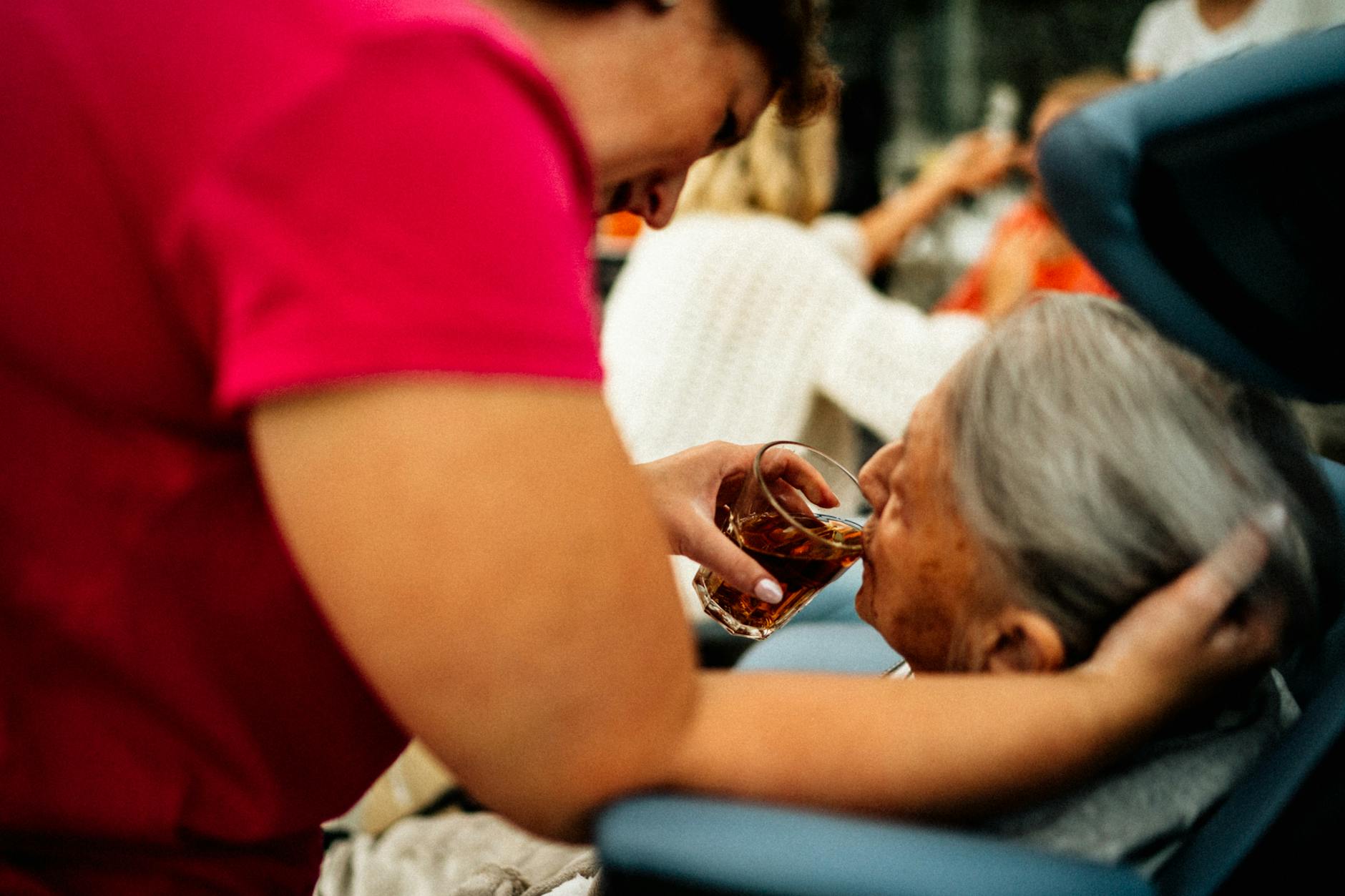
Environmental modification is one of the most concrete steps families can take to reduce fall risk. This includes removing throw rugs and clutter from walking paths, installing grab bars in bathrooms, ensuring adequate lighting throughout the home, and placing frequently used items within easy reach. Non-slip mats, raised toilet seats, and shower chairs address high-risk activities.
For example, one family discovered that their father’s falls occurred most often at night when he walked to the bathroom in the dark. Installing motion-activated night lights along the hallway and in the bathroom dramatically reduced his nighttime falls. Another family found that their mother froze in doorways, so they painted contrasting stripes on the floor to provide visual cues that helped her feet “unstick.”.
Looking Ahead: Living Fully Despite the Risk
Accepting ongoing fall risk does not mean surrendering quality of life. Many people with Parkinson’s disease continue to travel, socialize, exercise, and pursue meaningful activities by developing realistic assessments of their abilities and making appropriate accommodations. The goal is not to eliminate all risk””which would require immobility””but to find a sustainable balance between safety and engagement.
Research continues to explore new interventions, from wearable devices that detect freezing episodes to physical therapy techniques that retrain gait patterns. While no cure for Parkinson’s exists, the understanding of fall prevention has advanced considerably. Families navigating this challenge today have more evidence-based tools available than ever before, even as they recognize that complete safety remains beyond reach.
Conclusion
Living with fall risk in Parkinson’s disease demands ongoing adaptation rather than a one-time fix. The statistics are stark””annual fall rates between 45% and 68%, with 61% of falls related to freezing of gait””but they also point toward areas where intervention can help. Modifiable risk factors like vitamin B12 deficiency and polypharmacy offer targets for prevention, while exercise programs including tai chi have demonstrated real benefits in clinical trials.
For families facing this challenge, the path forward involves honest assessment, environmental modification, consistent exercise, regular medical review, and psychological acceptance that some risk will always remain. The goal is not perfection but rather the reduction of harm while maintaining the highest possible quality of life. Every fall prevented is a potential fracture, hospitalization, or loss of independence avoided””and that makes continued vigilance worthwhile.