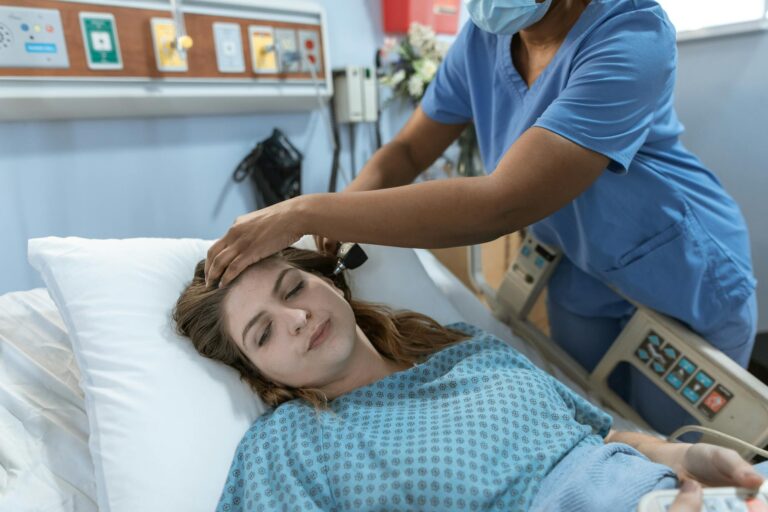
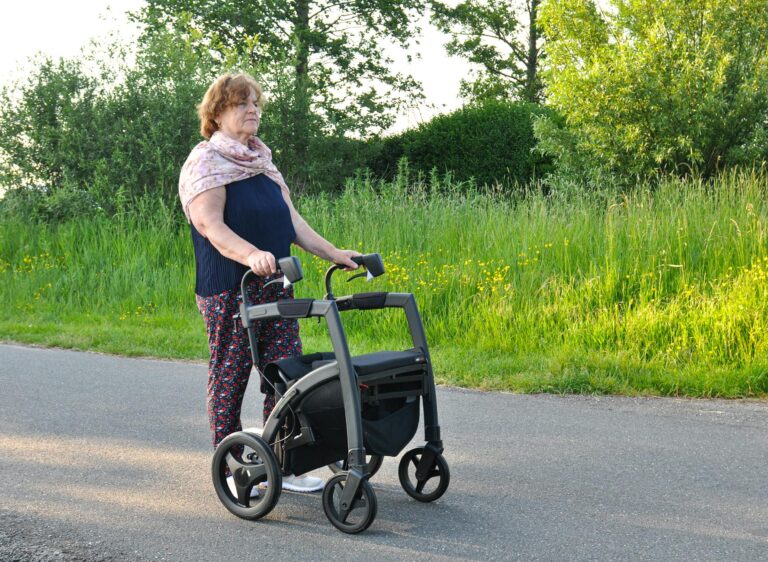
Parkinson’s disease unfolds as a slow, relentless erosion of physical capability that reshapes nearly every aspect of daily life. By the time most people receive a diagnosis, they have already lost 60 to 80 percent or more of the dopamine-producing cells in the substantia nigra, the brain region responsible for coordinating movement. This invisible damage has been accumulating for years, and what follows is a progression measured not in sudden crises but in the quiet disappearance of abilities once taken for granted: the steady hand that once signed checks, the confident stride that navigated crowded sidewalks, the simple act of rolling over in bed. Consider a retired teacher diagnosed at 62. In the early years, she notices a slight tremor in her right hand and some stiffness getting out of her car. Five years later, she struggles to button her blouse.
At the decade mark, she begins falling. By year 18, she relies on a wheelchair. This trajectory, while not identical for everyone, reflects the general pattern that research documents: most people advance one stage of the disease approximately every two years, with the gradual accumulation of physical losses defining each chapter. The journey is rarely linear, and individual variation exists, but the direction remains consistent. This article examines how physical decline unfolds across the stages of Parkinson’s disease, what specific losses people encounter, how these changes affect emotional wellbeing and family dynamics, and what practical strategies can help manage the progression. Understanding what lies ahead, even when the path is difficult, allows individuals and families to prepare, adapt, and find moments of agency within circumstances they cannot fully control.
Table of Contents
- How Does Physical Decline Progress Throughout the Parkinson’s Journey?
- The Specific Physical Losses That Define Each Stage
- The Emotional Weight of Losing Physical Independence
- Practical Strategies for Managing Progressive Physical Decline
- When Standard Approaches Fall Short
- The Caregiver’s Parallel Journey
- Looking Toward 2050 and Beyond
- Conclusion
How Does Physical Decline Progress Throughout the Parkinson’s Journey?
The Hoehn and Yahr scale remains the standard framework for understanding Parkinson’s progression, dividing the disease into five stages that track the spread and severity of motor symptoms. Stages 1 and 2 represent early Parkinson’s, when symptoms begin on one side of the body and gradually affect both sides. Stage 2 typically lasts about five years, longer than other stages, giving many people a period of relative stability before more significant changes occur. During these early years, people often continue working, driving, and living independently, though they may notice increasing effort required for routine tasks. Stage 3 marks a critical transition. Balance problems emerge, falls become more frequent, and quality of life declines measurably. This middle stage represents what researchers describe as a significant milestone in disease progression. Physical therapy and fall prevention become urgent priorities.
Stages 4 and 5 bring severe disability. Stage 4 patients can still stand and walk with assistance, but independent living becomes impractical. Stage 5 requires around-the-clock care, with most individuals confined to a bed or wheelchair. The timeline varies considerably based on disease subtype. Those with the Postural Instability and Gait Disorder (PIGD) subtype experience more rapid motor decline than those with tremor-predominant Parkinson’s. A person whose primary symptoms involve balance and walking difficulties from the outset will likely progress faster than someone whose main symptom is a hand tremor. This distinction matters for planning and expectations, though it offers no guarantees. Motor fluctuations, the wearing off of medication effectiveness between doses, typically become problematic 5 to 10 years after diagnosis, adding another layer of complexity to daily management.

The Specific Physical Losses That Define Each Stage
The catalog of physical losses in Parkinson’s extends far beyond the tremor most people associate with the disease. Fine motor skills deteriorate progressively. Handwriting shrinks to illegibility, a phenomenon called micrographia. Buttoning shirts, tying shoelaces, and using utensils become frustrating, time-consuming challenges. Facial muscles stiffen, reducing expressiveness and making it harder for others to read emotional cues. The voice softens and loses inflection, complicating communication just when the need to advocate for oneself intensifies. Gross motor function follows a predictable pattern of decline. Difficulty turning over in bed often appears relatively early, disrupting sleep for both the person with Parkinson’s and their partner.
Getting in and out of cars requires increasing assistance. Rising from chairs, particularly low or soft ones, becomes a deliberate, effortful act. Walking changes in characteristic ways: steps shorten, feet shuffle, arms stop swinging naturally, and freezing episodes halt forward movement without warning. However, if someone maintains strong baseline fitness before diagnosis, they may preserve function longer than average. Conversely, those with other health conditions, particularly cardiovascular disease or arthritis, may experience compounded limitations. Research indicates that 80 percent of people who have had Parkinson’s for 15 years experience recurrent falls, and most who have lived with the disease for 18 to 20 years require a wheelchair. These statistics represent averages, not destinies, but they provide a realistic framework for long-term planning. Postural instability, the balance problems that lead to falls, typically emerges after about 10 years, though it can arrive earlier in PIGD subtypes.
The Emotional Weight of Losing Physical Independence
The psychological impact of gradual physical loss often exceeds the physical burden itself. Independence erodes incrementally, each lost capability carrying symbolic weight beyond its practical implications. When a person can no longer drive, they lose not just transportation but spontaneity, privacy, and a fundamental marker of adult autonomy. The car keys often represent the last hold on independent movement through the world, and surrendering them frequently triggers grief responses similar to those following major losses. Family roles shift in ways that can feel disorienting and sometimes humiliating. A parent who once provided for others now requires help with intimate personal care. A spouse who shared household responsibilities equally now watches their partner shoulder most of the burden. These changes affect self-esteem profoundly, particularly for people whose identity was closely tied to competence, productivity, or caregiving roles.
Depression affects a significant proportion of Parkinson’s patients, driven by both neurological changes and the accumulating losses that define the disease experience. Social isolation compounds emotional distress. As mobility declines, leaving the house becomes more difficult. Tremors or dyskinesia can cause self-consciousness in public. Speech changes make conversation exhausting. Friends may pull away, uncertain how to help or uncomfortable with visible decline. The person with Parkinson’s may withdraw preemptively, avoiding situations that highlight their limitations. This isolation accelerates cognitive decline and worsens depression, creating a cycle that requires intentional intervention to break.

Practical Strategies for Managing Progressive Physical Decline
Adapting to Parkinson’s requires ongoing adjustments rather than one-time solutions. Home modifications should anticipate future needs, not just address current ones. Installing grab bars, removing throw rugs, improving lighting, and widening doorways creates an environment that remains safe as mobility decreases. Hospital beds with rails make turning easier. Raised toilet seats and shower chairs preserve dignity and reduce fall risk. The tradeoff with early modifications involves cost and acknowledgment: spending money to accommodate decline that has not yet arrived forces confrontation with an unwelcome future. Exercise remains one of the few interventions that may actually slow disease progression, not just manage symptoms. High-intensity aerobic exercise, resistance training, and programs specifically designed for Parkinson’s, such as boxing or dance classes, help maintain strength, balance, and flexibility.
The challenge lies in exercising enough to matter while avoiding falls and injuries that could accelerate decline. Physical therapy provides guidance on appropriate activities and helps retrain movement patterns as the disease progresses. Occupational therapy addresses specific daily living challenges, from adaptive utensils to energy conservation techniques. Medication management becomes increasingly complex over time. As the disease advances, the therapeutic window for levodopa and other medications narrows. Finding the right dosing schedule to minimize both off periods, when symptoms return, and dyskinesia, the involuntary movements caused by medication, requires ongoing adjustment. Deep brain stimulation surgery offers another option for appropriate candidates, reducing motor fluctuations and allowing medication reductions, though it carries surgical risks and does not slow underlying disease progression. The comparison between medication-only approaches and surgical intervention involves weighing immediate risks against potential years of improved function.
When Standard Approaches Fall Short
Not everyone responds equally to available treatments, and certain presentations of Parkinson’s prove particularly challenging to manage. The PIGD subtype, characterized by balance problems and gait difficulties rather than tremor, responds less robustly to dopaminergic medications. These individuals often experience faster physical decline despite aggressive treatment. When standard medications provide inadequate relief or cause intolerable side effects, options narrow considerably. Falls represent a particular management challenge because they result from multiple factors that medication cannot fully address. Postural instability, freezing of gait, orthostatic hypotension, and cognitive impairment all contribute to fall risk.
A person may be optimally medicated for tremor and stiffness yet still fall repeatedly because their balance reflexes have deteriorated beyond what dopamine replacement can restore. Walkers and wheelchairs become necessary safety measures rather than signs of treatment failure. Cognitive changes complicate physical management as the disease advances. Memory problems make medication schedules harder to follow. Reduced insight leads some individuals to overestimate their capabilities, attempting activities that have become unsafe. Hallucinations and delusions, common in advanced Parkinson’s, may interfere with cooperation during physical therapy or personal care. Caregivers and healthcare providers must balance safety concerns against preserving whatever autonomy remains possible, recognizing that this balance shifts continually as the disease progresses.
The Caregiver’s Parallel Journey
Partners and family members experience their own progression of losses alongside the person with Parkinson’s. Early stages may require minimal hands-on assistance, but the caregiver’s role expands relentlessly as physical decline continues. By advanced stages, caregiving becomes a full-time, physically demanding job that few are prepared to perform. The spouse who once shared recreational activities now spends those hours managing medications, preparing special meals, and assisting with transfers and personal hygiene.
Consider a husband whose wife was diagnosed at 58. In the early years, he accompanied her to appointments and helped with pill schedules. By year 10, he was doing all the cooking and most of the housework. At year 15, he was getting up multiple times nightly to help her turn over and use the bathroom. The cumulative toll on caregivers’ physical and mental health is well documented, with elevated rates of depression, anxiety, and chronic health conditions compared to non-caregiving peers.
Looking Toward 2050 and Beyond
The demographics of Parkinson’s disease are shifting in ways that will reshape healthcare systems worldwide. Current projections indicate that 25.2 million people will be living with Parkinson’s by 2050, a 112 percent increase from the 11.77 million affected in 2021. Population aging accounts for 89 percent of this projected growth, with the greatest increase occurring in those 80 and older. The male-to-female ratio is expected to widen from 1.46 to 1.64, meaning men will continue to bear a disproportionate disease burden.
In the United States alone, the economic impact already reaches nearly $61.5 billion annually, a figure that will grow substantially as prevalence increases. Nearly 90,000 Americans receive a Parkinson’s diagnosis each year, 50 percent more than previous estimates suggested. By 2030, 1.2 million Americans will be living with the disease. These numbers demand expanded research investment, improved care infrastructure, and greater attention to the needs of both patients and caregivers. The gradual physical losses that define individual Parkinson’s journeys are becoming a collective challenge that societies must address.
Conclusion
Parkinson’s disease traces a path of incremental physical loss that transforms daily life over years and decades. From the first subtle tremor through the eventual need for around-the-clock care, the progression follows patterns documented across millions of cases: motor symptoms spreading from one side to both, balance failing after roughly a decade, wheelchair dependence common by the 18th or 20th year. Understanding this trajectory, while difficult, enables better planning, more realistic expectations, and earlier intervention to preserve function as long as possible.
The journey shaped by gradual physical loss is not one anyone chooses, but it can be navigated with dignity and moments of meaning. Physical therapy, appropriate home modifications, carefully managed medications, and strong support networks all contribute to quality of life even as capabilities decline. For the families walking this path alongside their loved ones, recognizing the emotional toll and seeking respite and support remains essential. The losses are real and accumulating, but so is the capacity for adaptation, connection, and grace under circumstances no one would have chosen.