Creative fundraising events are delivering substantial financial support to Alzheimer’s disease organizations, with the Alzheimer’s Association generating $457 million in total revenue during fiscal year 2025—a significant increase from $444 million the previous year. These events, ranging from signature annual walks to specialty athletic competitions to digital birthday fundraisers, now represent a meaningful portion of the funding that fuels care, research, and advocacy work for millions of Americans affected by dementia. The Aiken, South Carolina Walk to End Alzheimer’s in 2025, for example, raised $70,375 in a single community, demonstrating how local creative fundraising initiatives directly translate into resources for families navigating Alzheimer’s care.
Beyond traditional events, organizations are seeing unprecedented success through innovation. The Alzheimer’s Association now raises $2.6 million annually through Facebook and Instagram birthday fundraisers alone, while signature event fundraisers contribute $2.5 million per year. This article explores how creative fundraising events benefit Alzheimer’s organizations, the specific events driving the largest revenue streams, how corporations are increasingly participating, and what this funding actually supports in research and community care.
Table of Contents
- How Creative Events Generate Revenue for Alzheimer’s Disease Organizations
- The Reach and Impact of Signature Events Like Walk to End Alzheimer’s
- Specialty Events That Attract Diverse Fundraisers
- Digital and Social Media Fundraising Innovations
- Corporate Partnerships and Growing Business Engagement
- Ensuring Fundraising Dollars Support Mission Work
- The Future of Creative Fundraising in Alzheimer’s Organizations
- Conclusion
- Frequently Asked Questions
How Creative Events Generate Revenue for Alzheimer’s Disease Organizations
Fundraising events have become central to how Alzheimer’s organizations sustain their mission. The Alzheimer’s Association’s 2025 financial reports show that direct donor contributions totaled $409 million, with substantial portions flowing from event-based fundraising. What distinguishes creative event fundraising from traditional direct-mail campaigns—which raised $76.1 million from over 536,000 donors in 2025—is the personal engagement and sense of community participation. When someone trains for a half-marathon to benefit Alzheimer’s research or hosts a birthday fundraiser on social media, they’re not simply making a donation; they’re becoming an advocate and typically recruiting others to contribute alongside them.
Event-based fundraising has proven particularly effective at attracting first-time and younger donors. Facebook and Instagram fundraisers, which generated $2.6 million in 2025, operate on a dramatically different scale than large galas yet reach millions of users who might never receive a direct-mail solicitation. Similarly, the Alzheimer’s Association’s Facebook Challenges—alternative giving opportunities that gamify the donation experience—raised $251,000 in 2025. However, there’s an important limitation: while digital events excel at small-dollar, high-volume fundraising, they typically cannot replace major gift fundraising from foundations and individual donors with substantial capacity, which remains essential for large-scale research initiatives.

The Reach and Impact of Signature Events Like Walk to End Alzheimer’s
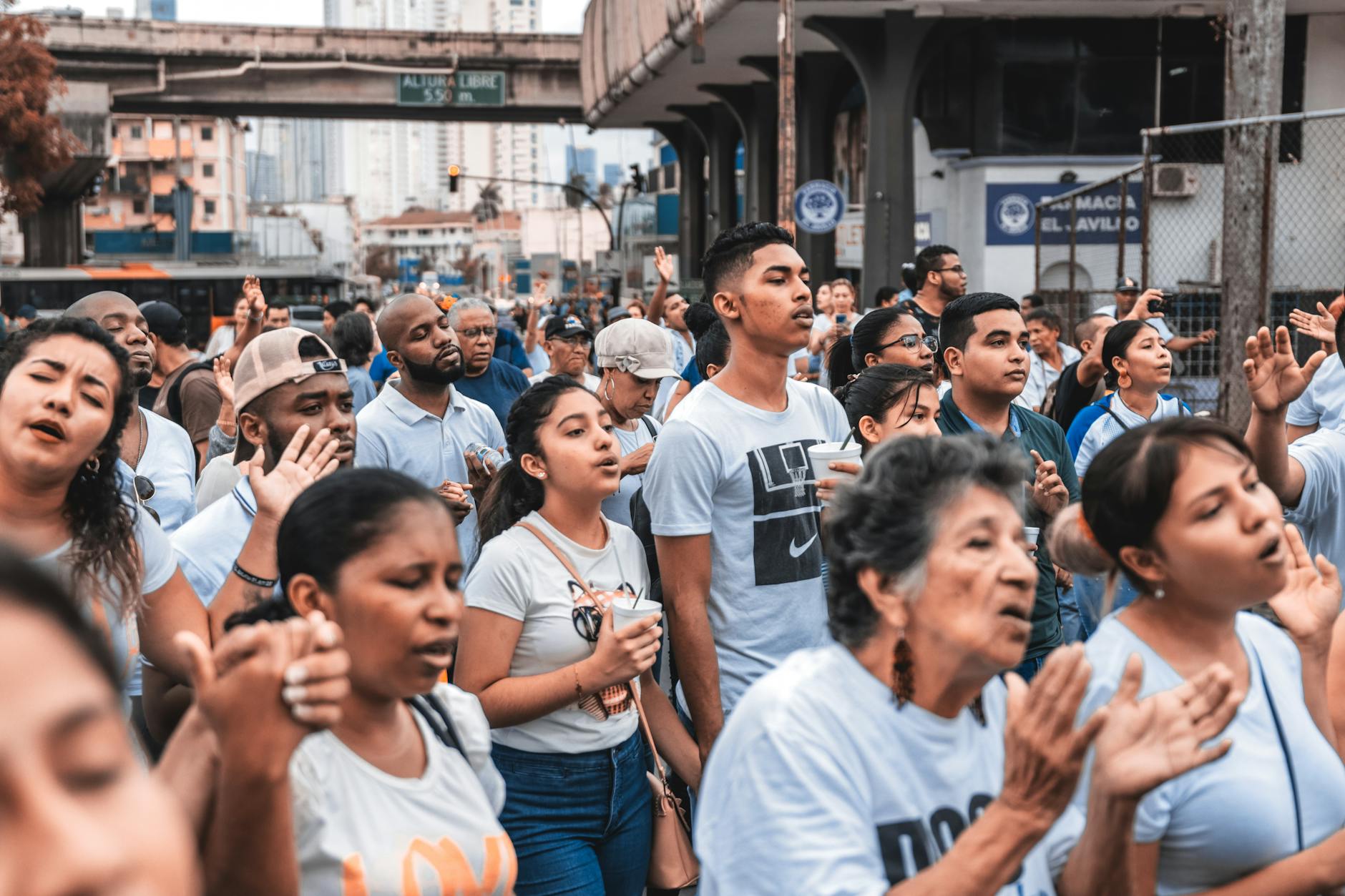
The Walk to End Alzheimer’s stands as the flagship event driving community engagement at scale. In 2024, the Alzheimer’s Association coordinated over 600 community walks nationwide with more than 350,000 individual participants. These aren’t passive fundraisers; participants actively recruit sponsors, raise awareness within their networks, and often walk in honor of or in memory of someone affected by Alzheimer’s disease, creating an emotional connection that pure fundraising rarely achieves. Local chapters demonstrate the consistent fundraising power of these signature events.
In Warren, Pennsylvania, the 2025 Walk to End Alzheimer’s exceeded its $26,500 goal, raising $27,400 and directly impacting local care and support services. The Aiken, South Carolina event generated $70,375, showing how a single well-organized community walk can deliver substantial resources to a regional chapter. Yet local walk success varies significantly based on population density, community involvement, and local business sponsorship. Rural areas sometimes struggle to match urban fundraising totals, which means organizations must supplement with digital fundraising to ensure equitable support across regions where in-person event participation may be lower.
Specialty Events That Attract Diverse Fundraisers
Creative event variety is essential to reaching people outside the traditional “charity walk” demographic. The Alzheimer’s Association sponsors multiple specialty fundraisers designed to engage specific communities: Aces for Alzheimer’s targets golf enthusiasts, Ride to End ALZ attracts cyclists, RivALZ engages young professionals through flag football, and Athletes to End Alzheimer’s organizes half-marathons and marathons in multiple cities. Each of these events taps into communities that might not naturally participate in a traditional walk or gala. Specialty events serve a secondary but critical purpose beyond fundraising: they reduce stigma and normalize engagement with Alzheimer’s as an issue affecting entire communities, not just families dealing with dementia.
A golfer raising money for Alzheimer’s research during Aces for Alzheimer’s is simultaneously educating their golfing peers about the disease. Someone participating in a Ride to End ALZ cycling event is creating a visible, public statement that Alzheimer’s matters. This social normalization makes it easier for future fundraisers to recruit participants, as the cause itself becomes more embedded in community culture. The trade-off, however, is that specialty events require specialized coordination and often demand larger upfront investments to organize properly than a straightforward community walk does.
Digital and Social Media Fundraising Innovations
Social media fundraising has fundamentally changed how Alzheimer’s organizations reach donors, particularly younger demographics and people who might never attend an in-person event. Birthday fundraisers on Facebook and Instagram generated $2.6 million for the Alzheimer’s Association in 2025, representing a massive revenue stream that essentially runs on autopilot once the social platform infrastructure is in place. Users celebrate their birthdays while simultaneously generating donations, and many donors—especially family and friends of the birthday person—participate precisely because the ask is integrated into an already-planned social occasion rather than feeling like a separate solicitation. The ease of launching digital fundraisers has democratized event creation.
Unlike organizing a 5K race or corporate gala, which require logistics, permits, and significant volunteer coordination, a Facebook birthday fundraiser requires no more effort than the normal birthday posting someone would do anyway. However, this ease comes with diminishing novelty. As digital fundraising becomes normalized, individual campaigns struggle to stand out in crowded feeds, and donors may experience “fundraiser fatigue” from constant requests. Organizations that maintain strong direct relationships with participants—sending thank-you messages, impact updates, and personal stories—see higher repeat participation and larger subsequent fundraisers. Those that simply treat digital fundraisers as automated transactions often see declining returns over time.
Corporate Partnerships and Growing Business Engagement
Corporate contributions to the Alzheimer’s Association reached $26 million in 2025, reflecting a 23% increase from the previous year. This growing business involvement signals that corporations increasingly view Alzheimer’s disease support as aligned with their brand values and corporate social responsibility initiatives. Companies now sponsor signature walks, host workplace fundraisers, match employee donations, and organize internal awareness campaigns. Large employers, in particular, see Alzheimer’s fundraising as relevant to their aging workforce and broader workforce wellness mandates.
The expansion of corporate fundraising carries both opportunities and considerations. Companies can mobilize resources and volunteer capacity far more rapidly than individual fundraisers can, and corporate matching programs effectively double or triple donated dollars. Yet corporate sponsorships sometimes come with implicit expectations around branding and visibility, and organizations must carefully navigate how to acknowledge corporate partners while maintaining focus on the mission rather than commercial interests. A corporation that contributes $1 million while requiring prominent logo placement and naming rights creates visibility but also raises questions about whether the organization’s public image becomes too intertwined with any single company.

Ensuring Fundraising Dollars Support Mission Work
The critical question for anyone donating through a fundraising event is whether their money actually reaches care, research, and support work. The Alzheimer’s Association dedicates 78% of its expenses to care, support, research, awareness, and advocacy activities, with the remaining 22% covering administrative and fundraising costs. This ratio is particularly important context when evaluating creative fundraising events: a community walk that raises $70,000 doesn’t net $70,000 for research—the organization must account for event administration, coordination, marketing, and volunteer support. However, the Alzheimer’s Association’s high mission-expense ratio means the vast majority of funds do reach people and programs, not overhead.
Transparency in financial reporting matters when donors want to understand event impact. The Alzheimer’s Association publishes annual Form 990 filings and detailed financial reports, allowing donors to verify how revenue is allocated. Some regional Alzheimer’s chapters report even higher program expense ratios, having achieved economies of scale or strong volunteer bases that minimize fundraising overhead. When considering which Alzheimer’s organization to support through event fundraising, checking financial transparency reports and asking directly about how event revenue is deployed ensures accountability.
The Future of Creative Fundraising in Alzheimer’s Organizations
Hybrid fundraising models—combining in-person events with digital components—are increasingly standard. The upcoming Alzheimer’s New Jersey Spring Gala scheduled for April 16, 2026, at The Grove in Cedar Grove will likely integrate both traditional silent auctions and live events alongside digital participation options, allowing geographic and accessibility constraints to be less limiting. The trend indicates that organizations recognize the distinct advantages of each modality and are moving away from viewing digital and in-person fundraising as competing alternatives.
As artificial intelligence and data analytics become more sophisticated, Alzheimer’s organizations are improving at personalizing the fundraising experience—identifying which community members are most likely to participate in specialty events like Ride to End ALZ versus signature walks, and timing outreach to match individual schedules and interests. This data-driven approach will likely increase fundraising efficiency, though it also raises privacy considerations that organizations must manage transparently. The future of Alzheimer’s fundraising will almost certainly look less like a single annual walk and more like a coordinated ecosystem of events, digital campaigns, and partnerships that collectively engage hundreds of thousands of supporters throughout the year.
Conclusion
Creative fundraising events are central to sustaining Alzheimer’s disease organizations’ ability to deliver care, research, and support services. From the flagship Walk to End Alzheimer’s—which engaged over 350,000 participants across 600 community walks in 2024—to emerging digital fundraisers like Facebook birthday campaigns and specialty athletic events, these creative approaches collectively generated hundreds of millions of dollars for the Alzheimer’s Association in 2025.
The diversity of event types means communities have multiple pathways to engage, whether someone prefers a neighborhood walk, a cycling event, a golf tournament, or simply resharing a birthday fundraiser on social media. For individuals and families affected by Alzheimer’s disease, supporting creative fundraising events is one of the most direct ways to contribute to both immediate care services and long-term research aimed at preventing, slowing, and ultimately stopping Alzheimer’s disease. Whether you’re participating, organizing, or simply donating, understanding how these events translate into concrete impact—with 78% of Alzheimer’s Association expenses reaching care, support, research, and advocacy—reinforces that creative fundraising isn’t separate from the mission; it is fundamental to how the mission gets accomplished.
Frequently Asked Questions
How much of my fundraiser donation actually goes to Alzheimer’s research and care?
The Alzheimer’s Association dedicates 78% of its expenses to care, support, research, awareness, and advocacy work, with the remaining 22% covering administrative and fundraising costs. This is higher than many nonprofit organizations. You can verify specific allocations by checking the organization’s annual Form 990 filings and detailed financial reports on their website.
What’s the difference between a Walk to End Alzheimer’s and a specialty event like Ride to End ALZ?
Walk to End Alzheimer’s is the flagship, nationwide signature event with over 600 community walks annually, designed to be accessible to people of all fitness levels and mobility levels. Specialty events like Ride to End ALZ (cycling) or Aces for Alzheimer’s (golf) target specific communities and require particular physical activities or interests. Both raise money, but specialty events can reach people who wouldn’t typically participate in a walk.
Can I start my own fundraising event?
Yes. The Alzheimer’s Association supports individual fundraisers through digital platforms (like Facebook birthday fundraisers), community events you organize yourself, and participation in established specialty events. You don’t need the organization’s permission to fundraise on their behalf, though registering with them helps ensure you receive support and that your fundraising is properly credited.
Why do corporate contributions to Alzheimer’s organizations keep increasing?
Corporate contributions rose 23% to $26 million in 2025, largely because businesses increasingly view Alzheimer’s support as aligned with aging workforce initiatives, corporate wellness programs, and corporate social responsibility mandates. As workforces age, companies recognize that Alzheimer’s directly affects their employees and their families.
Are digital fundraisers like Facebook birthday campaigns as effective as traditional walk events?
Digital fundraisers generated $2.6 million for the Alzheimer’s Association in 2025, making them highly effective at raising large volumes of smaller donations from broad audiences. However, in-person events like signature walks generate larger per-event totals and create stronger community engagement and awareness. Most organizations now use both approaches as complementary strategies rather than replacements for each other.
How do I find an Alzheimer’s fundraising event near me?
The Alzheimer’s Association website lists upcoming events, including Walk to End Alzheimer’s dates by community, specialty events like Ride to End ALZ and Aces for Alzheimer’s, and regional galas. You can also contact your local Alzheimer’s Association chapter directly.
You Might Also Like
- Annual Walks Generate Significant Funding for Alzheimer’s Research
- Research Funding Awards Support Creative Alzheimer’s Prevention Approaches
- Approved Alzheimer’s Treatments Demonstrate Sustained Patient Benefit
For more, see National Institute on Aging.