C2N Diagnostics’ eMTBR-tau243 plasma assay was used in the Evoke and Evoke+ Phase 3 clinical trials to predict cognitive and functional decline in patients with early symptomatic Alzheimer’s disease. The results, presented at the AD/PD™ 2026 Alzheimer’s & Parkinson’s Diseases Conference in March 2026, showed that baseline levels of this plasma biomarker independently associated with how quickly patients’ cognitive abilities would decline over time. This represents a significant shift toward blood-based testing for Alzheimer’s—moving away from invasive procedures like lumbar puncture and expensive brain imaging toward a simple blood draw that can be done in any clinical setting.
This article explores what these Phase 3 results mean for Alzheimer’s diagnosis and patient care. We’ll examine how the eMTBR-tau243 assay works, what the trial data actually demonstrated, how it compares to traditional diagnostic methods, and what patients with cognitive concerns should know about access and timing. The broader context is that blood tests are reshaping how clinicians identify Alzheimer’s pathology early—before significant cognitive symptoms appear—which opens a window for earlier intervention.
Table of Contents
- What is the eMTBR-tau243 Plasma Assay and How Does It Measure Alzheimer’s Pathology?
- Key Phase 3 Trial Findings: What the Evoke and Evoke+ Studies Revealed
- Comparing C2N’s Plasma Assay to Traditional Alzheimer’s Diagnostic Methods
- Regulatory Status, FDA Filing, and Patient Access Timeline
- Why Using Multiple Plasma Biomarkers Matters More Than Single-Marker Screening
- Real-World Applications: How Blood Testing Changes Alzheimer’s Diagnosis in Clinical Practice
- The Broader Future of Blood-Based Biomarkers in Dementia Care and Brain Health
- Conclusion
What is the eMTBR-tau243 Plasma Assay and How Does It Measure Alzheimer’s Pathology?
The eMTBR-tau243 is a blood-based biomarker that specifically targets tau pathology in the brain. Tau is one of the two hallmark proteins involved in Alzheimer’s disease; the other is amyloid-beta. When neurons are damaged, tau proteins misfold and tangle, disrupting cell function. The eMTBR-tau243 variant enters the bloodstream, where C2N Diagnostics’ lab test can detect and measure it.
This is part of their broader PrecivityAD platform, which combines multiple biomarkers to create a comprehensive picture of Alzheimer’s pathology. What makes this particular marker important is that it’s highly specific to the type of tau tangles seen in Alzheimer’s disease. In the Phase 3 Evoke trial, higher baseline levels of eMTBR-tau243 predicted greater cognitive and functional decline over the trial period. This wasn’t just a correlation—it was an independent association, meaning the biomarker’s predictive value didn’t depend on other factors. The research was published in peer-reviewed journals including a foundational Nature Medicine paper that established plasma MTBR-tau243 as a reliable identifier of tau tangle pathology.

Key Phase 3 Trial Findings: What the Evoke and Evoke+ Studies Revealed
The Evoke and Evoke+ Phase 3 trials enrolled patients with early symptomatic Alzheimer’s disease—meaning they had mild cognitive impairment or early dementia symptoms but were still relatively functional. researchers measured eMTBR-tau243 at baseline and tracked cognitive and functional decline over the trial period. The results showed that patients with higher baseline eMTBR-tau243 levels experienced faster decline on both cognitive and functional measures, indicating this biomarker could be used to identify which patients are at highest risk of rapid progression. Importantly, when researchers combined eMTBR-tau243 with another plasma biomarker called p-tau217, the two provided complementary information.
Neither biomarker was redundant; together they gave a more complete picture of a patient’s disease trajectory. This dual-biomarker approach is particularly valuable because it reduces the chance of false reassurance from a single test. A patient might have elevated p-tau217 but relatively low eMTBR-tau243, or vice versa—and the combination helps clinicians better understand individual disease patterns. However, the practical limitation is that testing becomes more complex and potentially more costly when multiple biomarkers are required for comprehensive assessment.
Comparing C2N’s Plasma Assay to Traditional Alzheimer’s Diagnostic Methods
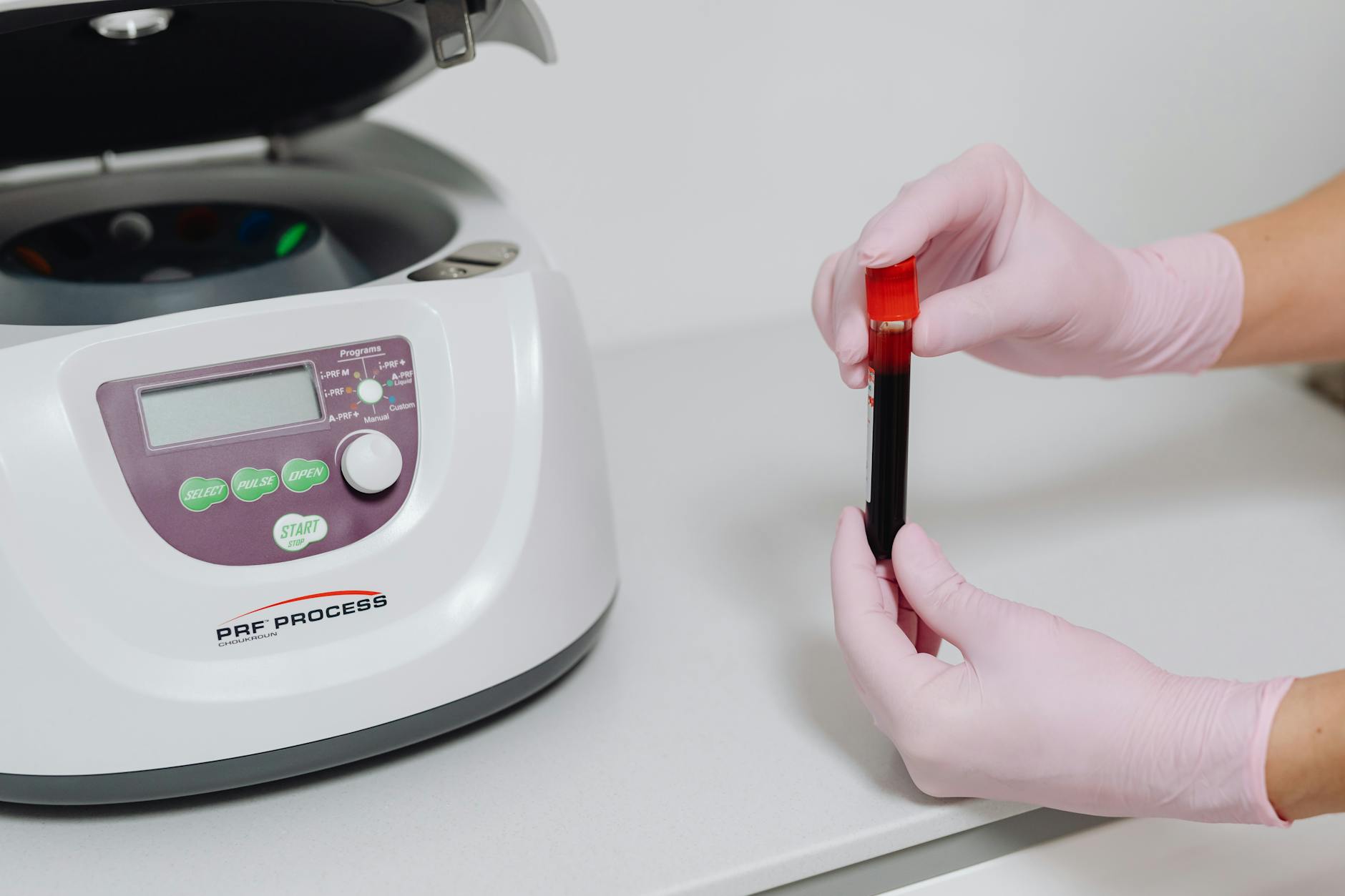
For decades, definitive Alzheimer’s diagnosis required either cerebrospinal fluid (CSF) analysis via lumbar puncture or positron emission tomography (PET) brain imaging. Both approaches detect amyloid and tau pathology directly in the brain, but they are invasive, expensive, and not widely available in primary care settings. A lumbar puncture carries infection risk and discomfort; PET imaging requires specialized equipment and significant cost. C2N’s PrecivityAD2 algorithm, which integrates plasma biomarkers, achieves greater than 90% accuracy compared to CSF and amyloid PET analysis. At 95% accuracy, it rivals these gold-standard methods in diagnostic capability—yet it requires only a blood draw.
This shift matters for real-world patient care. Consider a 65-year-old patient experiencing occasional memory lapses. Under the old paradigm, confirming Alzheimer’s pathology might require traveling to a specialty center, undergoing PET imaging, and waiting weeks for results while costs accumulate. With plasma biomarker testing, the same patient can have blood drawn at their primary care office, results available within days, and costs significantly lower. However, plasma tests are newer than PET and lumbar puncture, so some specialists and insurance companies may still view them as complementary rather than replacement diagnostics—meaning not all patients will have immediate access to this newer technology.
Regulatory Status, FDA Filing, and Patient Access Timeline
C2N Diagnostics submitted an FDA regulatory filing on October 1, 2025 for their Alzheimer’s disease blood test. As of March 2026, the test is in the FDA review process, which typically takes several months to a year or more, depending on the complexity of the review and whether additional data are requested. The Phase 3 trial results presented in March 2026 may support the FDA application, potentially expediting approval.
Currently, the eMTBR-tau243 assay and related C2N tests are available through laboratory partnerships in some regions, but full national accessibility may not come until after FDA clearance. Patients who are age 50 and older with signs or symptoms of mild cognitive impairment or dementia are the intended population. Before FDA approval, access may be limited to clinical trials, specialty research centers, or regional labs depending on insurance coverage and clinician familiarity. It’s worth checking directly with C2N Diagnostics or your healthcare provider to determine current availability in your area.
Why Using Multiple Plasma Biomarkers Matters More Than Single-Marker Screening
The Phase 3 trial results underscore a critical principle in Alzheimer’s diagnosis: no single biomarker tells the whole story. Amyloid pathology, tau pathology, and neurodegeneration are interconnected but distinct processes. Some patients have amyloid accumulation without tau tangles; others have tau without significant amyloid. By using both eMTBR-tau243 and p-tau217 together, clinicians can better classify patients and predict who will decline most rapidly.
This multi-biomarker approach reduces the risk of missing important pathology or misinterpreting a single test result. However, a significant limitation is that more biomarkers mean more complexity in interpretation and, potentially, more variables that could be abnormal. A patient might have elevated tau but normal amyloid levels—which still indicates brain pathology but follows a different clinical trajectory than those with both elevated. Clinicians will need training to interpret multi-biomarker profiles correctly, and guidelines for how to use these results in treatment decisions are still being developed. Until clinical practice guidelines standardize the interpretation of combined biomarker panels, there may be variability in how different providers use these tests.

Real-World Applications: How Blood Testing Changes Alzheimer’s Diagnosis in Clinical Practice
Imagine a primary care doctor who previously had limited tools for early Alzheimer’s detection. Beyond asking patients about memory problems and giving cognitive screening tests, there wasn’t much they could offer without referral to a specialist. Now, with a blood test ordered during a routine office visit, the same doctor can measure tau and amyloid pathology directly. If results are abnormal, the doctor can discuss early interventions—lifestyle modifications, possible pharmaceutical options, or specialist referral if needed. This democratizes access to pathological diagnosis, allowing earlier identification in patients who might otherwise go undiagnosed until cognitive symptoms are more severe.
A concrete example: a 58-year-old woman notices she’s slightly more forgetful than usual and has her blood drawn as part of a routine checkup. Her eMTBR-tau243 level is elevated, but her cognitive testing is borderline normal. Previously, she might have been told “you’re probably fine” and sent away. Now, she and her doctor can discuss that she has evidence of Alzheimer’s pathology and may benefit from closer monitoring, enrollment in a prevention trial, or discussion of lecanemab or similar anti-amyloid therapies if amyloid is also elevated. The blood test provides intermediate information between “normal” and “mild cognitive impairment,” which is crucial for early intervention.
The Broader Future of Blood-Based Biomarkers in Dementia Care and Brain Health
The success of C2N’s eMTBR-tau243 assay in Phase 3 trials signals a larger shift in how neurodegenerative diseases will be diagnosed and monitored. Blood-based biomarkers are cheaper, safer, and more scalable than PET imaging or lumbar puncture, making them ideal for population screening and routine clinical care. Beyond Alzheimer’s, researchers are developing blood tests for Parkinson’s disease, Lewy body dementia, and frontotemporal dementia. Within the next five to ten years, it’s plausible that dementia screening will shift from cognitive testing alone to combined cognitive and biomarker assessment as standard of care.
The integration of these tests into electronic health records and AI-assisted interpretation will likely accelerate. Rather than clinicians manually interpreting individual biomarker values, machine-learning algorithms could integrate multiple biomarkers, patient demographics, genetics, and imaging when available to provide a risk profile or predicted disease trajectory. This convergence of liquid biopsy technology and digital health tools will expand access to precision dementia diagnosis—particularly in underserved areas where specialty neurology is scarce. The Phase 3 data demonstrating eMTBR-tau243’s predictive value is a proof-of-concept that these biomarkers can drive clinical decision-making, paving the way for larger-scale implementation.
Conclusion
The use of C2N Diagnostics’ eMTBR-tau243 plasma assay in Evoke and Evoke+ Phase 3 trials marks an important clinical validation of blood-based biomarker testing for Alzheimer’s disease. The data showed that baseline eMTBR-tau243 levels independently predicted cognitive and functional decline, and that combining this marker with p-tau217 provided complementary information about disease severity and trajectory. With greater than 90% diagnostic accuracy rivaling PET imaging and lumbar puncture—but requiring only a simple blood draw—this approach offers a practical alternative to invasive or expensive diagnostic methods.
For patients and families facing memory concerns, the path forward is clearer than ever. Blood-based biomarker testing is becoming available in many regions, and FDA approval of C2N’s test is anticipated in the coming months. If you’re age 50 or older with cognitive symptoms or concerns, discussing these blood tests with your primary care doctor or neurologist is a reasonable next step. Early detection of Alzheimer’s pathology opens a window for intervention before significant cognitive damage occurs—and thanks to research like the Evoke trials, that window is wider and more accessible than it has ever been.
You Might Also Like
- Low-Dose Lithium Trial Sets Stage for Future Alzheimer’s Studies
- J&J’s Anti-Tau Drug Posdinemab Fails in Early Alzheimer’s Trial
- UK Appeals Panel Orders NICE to Reconsider Alzheimer’s Drugs Leqembi and Kisunla
For more, see Alzheimer’s Association — clinical trials.