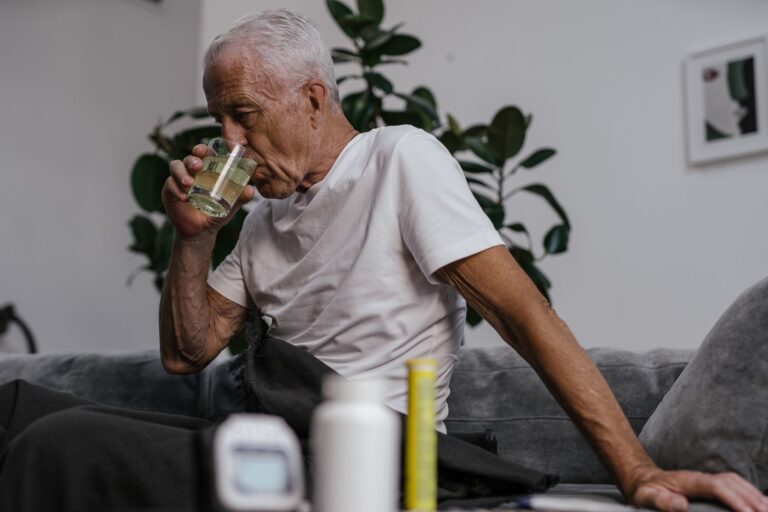
That cup of coffee or tea sitting on your desk might be doing more for your brain than you realize. A major 43-year study following over 131,000 people found that moderate caffeine consumption—specifically 2 to 3 cups of coffee or 1 to 2 cups of tea daily—was linked to an 18% lower risk of dementia and better cognitive performance as people aged. For someone concerned about memory loss or cognitive decline, this finding offers real hope: one of life’s simple pleasures may actively protect the brain.
The research, conducted by scientists from Harvard T.H. Chan School of Public Health, Mass General Brigham, and the Broad Institute of MIT and Harvard, published in JAMA and examined decades of health data from the Nurses’ Health Study and Health Professionals Follow-Up Study. What makes this research particularly compelling is that the protective effect held true even for people genetically predisposed to dementia—suggesting that caffeine’s benefits work across different risk profiles. This article explores what caffeine actually does in the brain, who benefits most, how much is ideal, and how it fits into a broader brain-health strategy.
Table of Contents
- How Does Caffeine Actually Protect Your Brain as You Age?
- Who Benefits Most From Caffeine’s Brain Protection?
- The Difference Between Coffee and Tea—and What the Research Shows
- Finding Your Optimal Caffeine Dose—How Much Is Right?
- Important Limitations and Who Should Be Cautious
- The Bigger Picture—Caffeine as One Tool in Brain Aging
- Looking Forward—What the Dementia Research Tells Us
- Conclusion
How Does Caffeine Actually Protect Your Brain as You Age?
Caffeine works in the brain through several protective mechanisms. The substance, along with other bioactive compounds in coffee and tea called polyphenols, reduces inflammation and cellular damage—two hallmarks of brain aging. As neurons accumulate damage over decades, inflammation can accelerate cognitive decline. Caffeine and polyphenols act as neuroprotective agents, meaning they help shield brain cells from this age-related deterioration. What’s particularly important is that decaffeinated coffee did not show the same protective effect in the research. This tells us that caffeine itself is the active protective ingredient, not simply the act of drinking hot beverages or other compounds that might be lost during decaffeination.
In other words, you can’t get the same brain-protective benefits from decaf—the caffeine is doing the work. This distinction matters if you’re considering switching to decaf for other health reasons; you’d be losing the dementia-prevention benefit that the research documented. The timing of these benefits also matters. The study followed participants for 43 years, meaning the protective effect accumulated over decades of regular consumption. This isn’t something that happens overnight. Think of it like cardiovascular health: years of consistent heart-protective habits compound into measurably better outcomes in old age. The same principle applies here—regular, moderate caffeine use appears to build cognitive resilience over time.
Who Benefits Most From Caffeine’s Brain Protection?
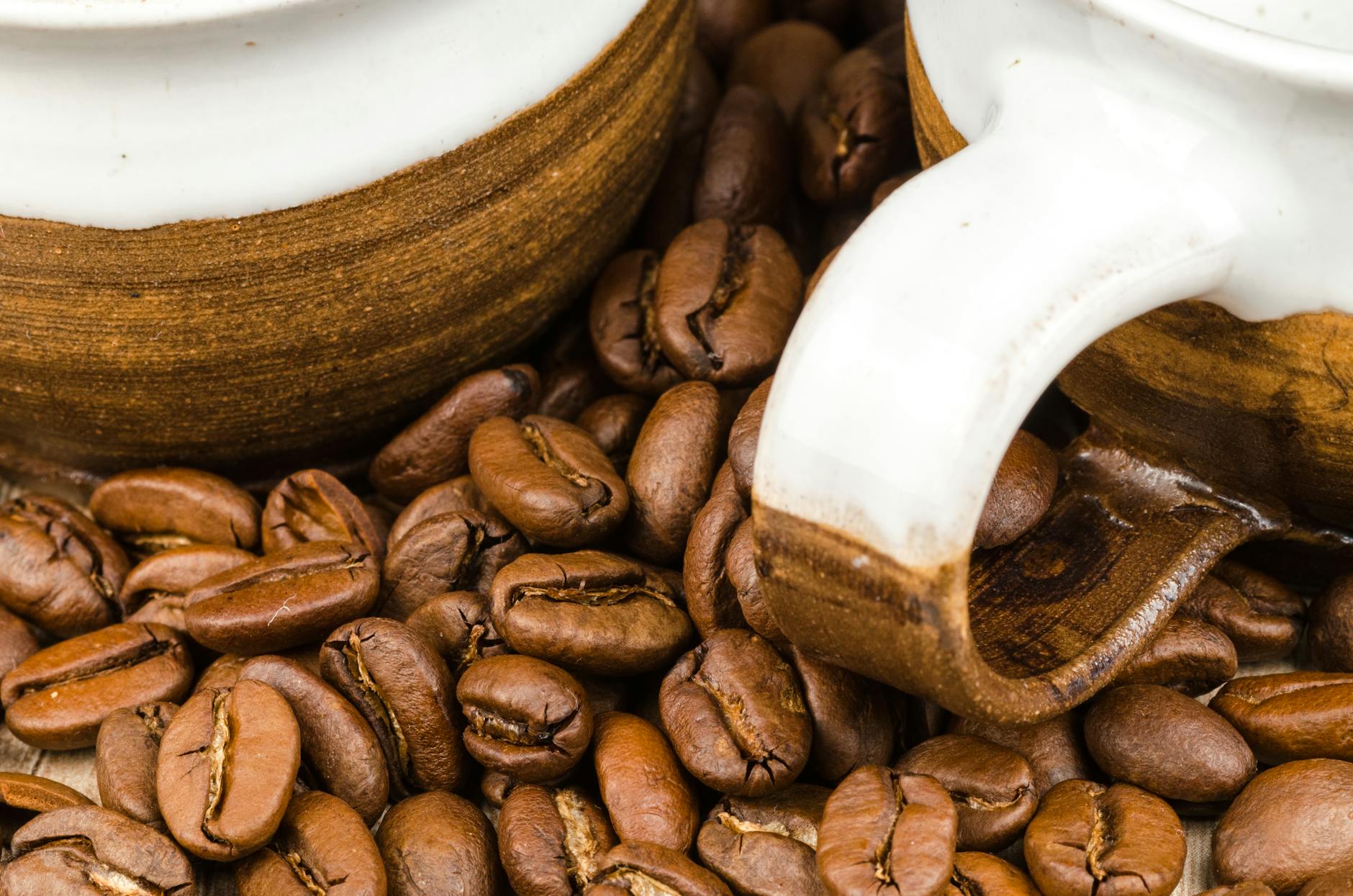
One of the most striking findings from the Harvard research is that the protective effect held true even for people who were genetically predisposed to dementia. This is significant because genetics can feel like a fixed destiny—if your parents had Alzheimer’s, you might assume your fate is sealed. But this study suggests that lifestyle factors, at least when it comes to caffeine, can partially offset genetic risk. However, there are important caveats. The effect size is modest—an 18% lower risk is meaningful but not a guarantee. Some people in the study who drank the optimal amount still developed dementia; caffeine is one protective factor among many.
This means you shouldn’t view caffeine as a substitute for other well-established brain health practices like staying cognitively active, exercising regularly, maintaining social connections, and managing cardiovascular health. Think of caffeine as part of a comprehensive approach, not the foundation of one. Individual responses to caffeine vary considerably. Some people are sensitive to caffeine and experience jitteriness, sleep disruption, or anxiety even at moderate doses. If you’re someone whose sleep or anxiety worsens with caffeine, the cognitive benefits may be offset by worse sleep quality, which itself damages brain health over time. For you, the tradeoff might not be worth it. Age also plays a role—older adults sometimes tolerate caffeine less well than younger ones, even if they drank it comfortably for decades.
The Difference Between Coffee and Tea—and What the Research Shows
The Harvard study looked at both caffeinated coffee and tea, and both showed the protective association. However, there’s an important distinction: coffee delivers more caffeine per cup than tea. Two to three cups of coffee is roughly equivalent to four to six cups of tea in terms of caffeine content. This matters for someone deciding which beverage fits their lifestyle and tolerance. Coffee tends to have a stronger effect on some people—both positive and negative. It can boost energy and focus more noticeably than tea, which many people find helpful for sustained mental performance throughout the day.
But coffee is also more likely to cause jitteriness, heart palpitations, or sleep disruption in sensitive individuals. Tea, by contrast, contains l-theanine, an amino acid that creates a calmer, more focused alertness than coffee’s sharper stimulation. Some people find this gentler effect preferable, and from a brain-health perspective, both substances delivered benefits in the research. The difference in polyphenol content also varies between coffee and tea. Green and black teas contain catechins, a type of polyphenol with its own anti-inflammatory properties. Coffee contains chlorogenic acid and quinic acid, different polyphenols with similar protective effects. So from a brain-protection standpoint, you have flexibility—the important variable is consistent, moderate caffeine intake, whether from coffee or tea.

Finding Your Optimal Caffeine Dose—How Much Is Right?
The research identified 2 to 3 cups of coffee or 1 to 2 cups of tea daily as the sweet spot for dementia risk reduction. This is a crucial detail because more is not better. Going beyond this range doesn’t provide additional brain protection, and it increases the risk of negative side effects like anxiety, insomnia, and even cardiovascular stress. A typical 8-ounce cup of brewed coffee contains about 95–200 mg of caffeine, depending on brew strength. A cup of black tea contains around 25–50 mg. So someone following the optimal dosage might consume 190–600 mg of caffeine daily if relying on coffee, or 25–100 mg if using tea.
This is well within the range that most healthy adults tolerate without issue. However, if you take other medications—particularly stimulants or certain heart medications—or if you have conditions like high blood pressure or anxiety disorders, you should discuss your caffeine intake with your doctor. For practical purposes, start at the lower end (one cup of coffee or one to two cups of tea daily) and assess how you feel. If you sleep well, don’t feel jittery, and experience no anxiety, you can gradually move toward the 2-3 cup range. Track your subjective mental clarity and mood—you may find the optimal dose for you is somewhere in the 1-2 cup range. That’s still within the zone where benefits were observed in the research.
Important Limitations and Who Should Be Cautious
The 18% risk reduction sounds significant, but context matters. A relative risk reduction of 18% means that if your baseline dementia risk at age 80 were 10%, caffeine might reduce it to 8.2%—still a substantial reduction, but not a guarantee of perfect cognitive health. This is why researchers emphasize that caffeine should be part of a broader brain-health strategy, not a replacement for exercise, cognitive engagement, sleep, or cardiovascular care. Pregnancy and breastfeeding are situations where caffeine caution is warranted. High caffeine intake during pregnancy has been associated with increased miscarriage risk in some studies, and caffeine passes into breast milk.
If you’re pregnant or nursing, discuss caffeine consumption with your obstetrician—the amount that seems safe is generally lower than 2-3 cups daily, though guidelines vary. Certain medications interact poorly with caffeine. If you take medications for irregular heartbeat, anxiety, or depression, or if you have uncontrolled high blood pressure, consuming large amounts of caffeine could be problematic. Similarly, people with certain sleep disorders or bipolar disorder may find that caffeine worsens symptoms. The key point: caffeine isn’t universally beneficial. It’s beneficial for many people as a brain-protective habit, but it’s not appropriate for everyone.

The Bigger Picture—Caffeine as One Tool in Brain Aging
The Harvard study examined caffeine in isolation, but real brain aging happens in the context of overall lifestyle. Someone drinking three cups of coffee daily while sedentary, socially isolated, and with untreated sleep apnea won’t get the full protective benefit that someone gets from the same caffeine consumption while also exercising regularly and maintaining strong relationships.
Think of caffeine like taking a multivitamin: useful as a supplement to good habits, but not a substitute for them. The people in the study who benefited most from caffeine were likely also doing other things right—they were engaged enough in long-term health studies, had regular medical care, and were often more educated and health-conscious than average. So while the caffeine itself is genuinely protective, it works best as part of a comprehensive approach that includes physical activity, cognitive engagement, quality sleep, and cardiovascular health.
Looking Forward—What the Dementia Research Tells Us
As dementia becomes a larger public health concern with aging populations, research like the Harvard study offers something relatively rare: a simple, accessible intervention that appears to reduce risk. The fact that it’s something most people already enjoy—and that it’s inexpensive and legal—makes it particularly valuable from a public health standpoint.
Future research will likely examine whether even higher caffeine doses might provide greater benefit, whether timing of consumption matters (morning versus evening, for instance), and how caffeine interacts with other genetic and lifestyle factors. For now, the evidence is clear enough that if you tolerate caffeine well, making it a consistent part of your daily routine is a reasonable brain-protective habit to adopt.
Conclusion
That one substance protecting your brain as you age is caffeine—most conveniently obtained from your morning coffee or afternoon tea. A landmark 43-year study of over 131,000 people found that moderate caffeine consumption, around 2 to 3 cups of coffee or 1 to 2 cups of tea daily, was associated with an 18% lower risk of dementia. The effect held true even for people genetically predisposed to cognitive decline, suggesting that this simple habit can help offset hereditary risk factors.
If you currently tolerate caffeine well and have no medical conditions that contraindicate it, incorporating moderate amounts into your daily routine is a low-cost, evidence-backed step toward brain protection. But remember that caffeine works best as part of a larger brain-health strategy—it’s one tool among many that includes exercise, cognitive engagement, quality sleep, social connection, and cardiovascular care. Talk with your doctor about your personal caffeine tolerance and how it fits into your individual health picture.