Saudi-israel peace sits at the center of this dementia and brain health question.
The Saudi-Israel peace treaty is being discussed now because the Iran conflict that erupted in late February 2026 created an immediate, existential shared threat that has shifted both nations’ strategic priorities. On February 28, 2026, the U.S. and Israel launched approximately 900 strikes in 12 hours targeting Iranian military infrastructure—strikes that Saudi Arabia and Israel had been lobbying for. What followed was Iran’s retaliatory barrage: over 90 attempted strikes against Israel, with at least 20 directly hitting civilian areas and causing at least 10 deaths. More significantly, Iran attacked all six Gulf Cooperation Council countries for the first time in history, including Saudi Arabia itself. This unprecedented escalation has forced Saudi Arabia to recognize that it faces the same Iranian threat as Israel, making a security partnership—and potentially formal normalization—suddenly practical rather than just theoretical.
This article examines how the Iran war accelerated peace treaty discussions, what Saudi Arabia demands as conditions, and what remains in the way of actual normalization. The Iran conflict didn’t create the desire for Saudi-Israel partnership from scratch; diplomacy had been moving quietly in that direction for years. But the scale and directness of Iran’s assault on Saudi territory changed the equation overnight. Before late February, Saudi Arabia could maintain diplomatic distance while Israel conducted strikes or pursued security cooperation. After Iran directly attacked Saudi Arabia, that position became untenable. The shared threat has transformed normalization from a distant possibility into an active negotiating agenda, with U.S. mediation actively supporting direct talks between the two nations.
Table of Contents
- How Did the Iran Conflict Create an Opening for Saudi-Israel Peace?
- What Does Saudi Arabia Actually Want From Normalization?
- The Current State of Saudi-Israel Direct Talks
- Why the Iran War Changed Everything for Saudi Arabia’s Strategic Thinking
- What Obstacles Still Block Full Saudi-Israel Normalization?
- Regional Implications Beyond Saudi Arabia and Israel
- Looking Forward—Will This Lead to Lasting Peace or Temporary Alliance?
- Conclusion
How Did the Iran Conflict Create an Opening for Saudi-Israel Peace?
The mechanism is straightforward: military pressure creates unlikely alliances. Iran’s response to the February 28 strikes revealed a capability that both saudi Arabia and Israel feared. Iran launched 90+ missiles and drones in coordinated waves, demonstrating ability to strike deep into both countries simultaneously. For Israel, this was familiar danger; for Saudi Arabia, it was a new and shocking reality. When Iran’s retaliatory missiles landed in Saudi territory for the first time in the country’s modern history, Saudi Arabia’s leadership faced a security crisis that could not be managed through neutrality or non-alignment. The need for advanced missile defense systems, real-time intelligence sharing, and coordinated Saudi Arabia’s demands reveal that despite the military urgency, the kingdom is not abandoning its long-standing positions on the Palestinian issue. Before normalization, Saudi Arabia insists on a clear, binding pathway to a Palestinian state with East Jerusalem as its capital. This is not a new demand; it has been Saudi Arabia’s consistent position for decades. The critical difference now is that Saudi Arabia is willing to discuss Israel’s security concerns and missile defense partnerships in parallel with Palestinian statehood negotiations, rather than treating them as entirely separate issues. This demand creates the central tension in current negotiations. Israel has shown flexibility on security partnerships with Saudi Arabia—both nations share an interest in containing Iranian regional power. But Israeli governments have been far less willing to guarantee Palestinian statehood or accept East Jerusalem as a Palestinian capital. This remains the structural obstacle to full normalization, even as military cooperation accelerates. For Saudi Arabia, linking the two issues serves a domestic political purpose as well; the kingdom faces pressure from its own population and from other Arab states if it appears to be abandoning the Palestinian cause. By insisting on a Palestinian state component, Saudi Arabia maintains credibility within the Arab world while still moving toward pragmatic security cooperation with Israel. The limitation here is real: if either side uses the Palestinian issue as a negotiating chip or demands become too rigid, the entire normalization framework could collapse despite the shared Iran threat. As of March 2026, Saudi Arabia and israel are moving toward direct talks with active U.S. mediation and support, though normalization is not officially on Saudi Arabia’s public agenda. This ambiguous framing matters—it allows both nations to engage without appearing to capitulate to domestic or regional pressure. Saudi Arabia can describe these talks as security consultations rather than peace negotiations, while Israel can present them as a natural extension of intelligence cooperation. The reality underneath is that both nations are exploring the structure of a possible normalization agreement, with missile defense capabilities and regional threat assessment as the immediate focus. The talks are being conducted at relatively high levels but through back channels and diplomatic intermediaries. The U.S. role is critical; American military and technical expertise is essential for the kind of integrated missile defense system that Saudi Arabia now sees as necessary. The U.S. has significant leverage with both nations and clear incentives to see the talks succeed—containment of Iran and strengthening of a pro-Western regional bloc serve American strategic interests. However, the official nature of Saudi Arabia’s reluctance to acknowledge these as normalization talks suggests they are moving cautiously. Both nations understand that the domestic and regional political costs are substantial, and neither wants to appear to have moved too far too fast if the talks stall. Before the February 2026 escalation, Saudi Arabia had maintained a policy of military caution and diplomatic non-alignment regarding the Israeli-Palestinian conflict. The kingdom could claim to be a supporter of Palestinian statehood while keeping Israel at arm’s length diplomatically. This position was sustainable because Saudi Arabia faced no direct Iranian military threat in the same way that Israel did. Saudi Arabia’s military capabilities, while significant, were primarily focused on defending against internal threats and maintaining regional stability—not preparing for direct military conflict with an advanced power like Iran. The February 28 strikes and Iran’s retaliatory assault fundamentally altered this calculation. According to reports from the period, Iran’s attack on the six Gulf Cooperation Council countries was historic and unprecedented. Saudi Arabia was suddenly in the same defensive position as Israel: facing a military power with demonstrated ability to project force across vast distances. This realization forced Saudi Arabia to acknowledge that Israel’s decades-long experience with Iranian military pressure was not an Israeli problem but potentially a shared regional security challenge. The strategic shift reflects a pragmatic recognition that Saudi Arabia and Israel now have parallel military vulnerabilities and parallel interests in preventing Iranian regional dominance. This comparison reveals an important dynamic: shared threats can overcome historical animosity much more quickly than diplomatic initiatives alone. The Iran war compressed what might have been a decade of gradual normalization into a matter of weeks. The most obvious obstacle is the Palestinian state issue. Saudi Arabia’s demand for a binding pathway to Palestinian statehood with East Jerusalem as capital directly conflicts with Israeli government positions and with the realities on the ground in the West Bank and Gaza. Israel is unlikely to make unilateral concessions on these issues simply because it has gained a security partner in Saudi Arabia. Any Palestinian state agreement would require negotiations with Palestinian leadership, international involvement, and difficult compromises on territory, refugees, and sovereignty. The current Israeli government shows little willingness to move significantly on these issues, creating a fundamental deadlock. A second, less obvious obstacle is timing and domestic politics. Saudi Arabia’s public shift toward Israel, even if framed as security cooperation, will face criticism from within the kingdom and from Sunni Arab allies. The pace of normalization talks must be managed carefully to avoid the appearance of abandonment of Palestinian interests. Similarly, any Israeli government moving toward formal normalization with Saudi Arabia will face opposition from right-wing political factions that view Palestinian territorial concessions as unacceptable. The risk is that talks could move forward on security cooperation while remaining stuck on the political elements of normalization. This creates a warning scenario: it’s possible that Saudi Arabia and Israel develop a practical security partnership and intelligence-sharing arrangement that looks like normalization in military terms but never becomes formal diplomatic recognition or treaty. Both nations might find this arrangement sufficient to address the Iran threat, but it would fall short of the comprehensive peace treaty that some observers are discussing. The potential Saudi-Israel normalization is not an isolated bilateral issue. Other Gulf states—the UAE, Bahrain, Kuwait, Qatar, and Oman—all face the same Iranian threat exposure that Saudi Arabia now confronts. The UAE has already established formal diplomatic relations with Israel (the Abraham Accords in 2020), giving it some experience in managing Arab states’ concerns about normalization. However, the scale of Iran’s February 2026 attack on all six GCC countries simultaneously suggests that collective defense mechanisms might develop alongside bilateral normalization. A Saudi-Israel security arrangement could serve as the anchor for a broader GCC-Israel security framework, where multiple Arab states coordinate missile defense, intelligence sharing, and military planning. This regional expansion is already being discussed informally, and it represents both opportunity and complexity. If multiple Arab states formalize security partnerships with Israel, the political legitimacy of such partnerships increases—no single Arab nation appears to be abandoning Palestinian interests, since all are doing so together. However, it also risks fracturing Arab consensus and potentially radicalizing opposition groups that view normalization as betrayal. The trajectory of Saudi-Israel relations over the next 12 to 24 months will likely depend on whether the Iran threat persists or recedes. If Iran remains militarily aggressive or launches another major escalation, the pressure keeping Saudi Arabia and Israel aligned will remain strong. Both nations will continue to deepen their security partnerships, and the question becomes whether they can solve the Palestinian statehood issue simultaneously. If, conversely, international negotiations with Iran succeed in limiting its regional military capabilities, or if Iran’s internal situation deteriorates enough to reduce its ability to project force, the urgency driving normalization could fade. Saudi Arabia might revert to a less committed stance on normalization, and the window for agreement might close. The realistic scenario is that Saudi-Israel security cooperation will deepen regardless—both nations have demonstrated strong practical reasons to work together on missile defense and intelligence. Whether that cooperation becomes formal, comprehensive peace treaty depends on progress on Palestinian statehood, which remains a difficult diplomatic challenge with no clear solution. The Saudi-Israel peace treaty is being discussed now because the Iran war of February 2026 created an unprecedented shared military threat that forced Saudi Arabia to acknowledge its strategic alignment with Israel on security matters. Iran’s attack on Saudi territory for the first time in the kingdom’s modern history changed the political calculation overnight. Saudi Arabia is now willing to pursue direct talks with Israel on security cooperation, supported by U.S. mediation, despite maintaining the demand for a Palestinian state pathway as a condition of full normalization. This represents a pragmatic shift in Saudi strategy but not an abandonment of longstanding Arab interests. The path to actual normalization remains complicated by Saudi Arabia’s domestic political constraints and by the fundamental disagreement between Israel and Saudi Arabia over Palestinian statehood. However, even if formal peace treaty negotiations stall, Saudi Arabia and Israel will likely deepen security partnerships and intelligence sharing as a practical response to the Iran threat. The coming months will reveal whether the military pressure of the Iran conflict is sufficient to overcome the political obstacles to normalization, or whether both nations will settle for security cooperation without comprehensive peace. For more, see National Institute on Aging.
What Does Saudi Arabia Actually Want From Normalization?
The Current State of Saudi-Israel Direct Talks
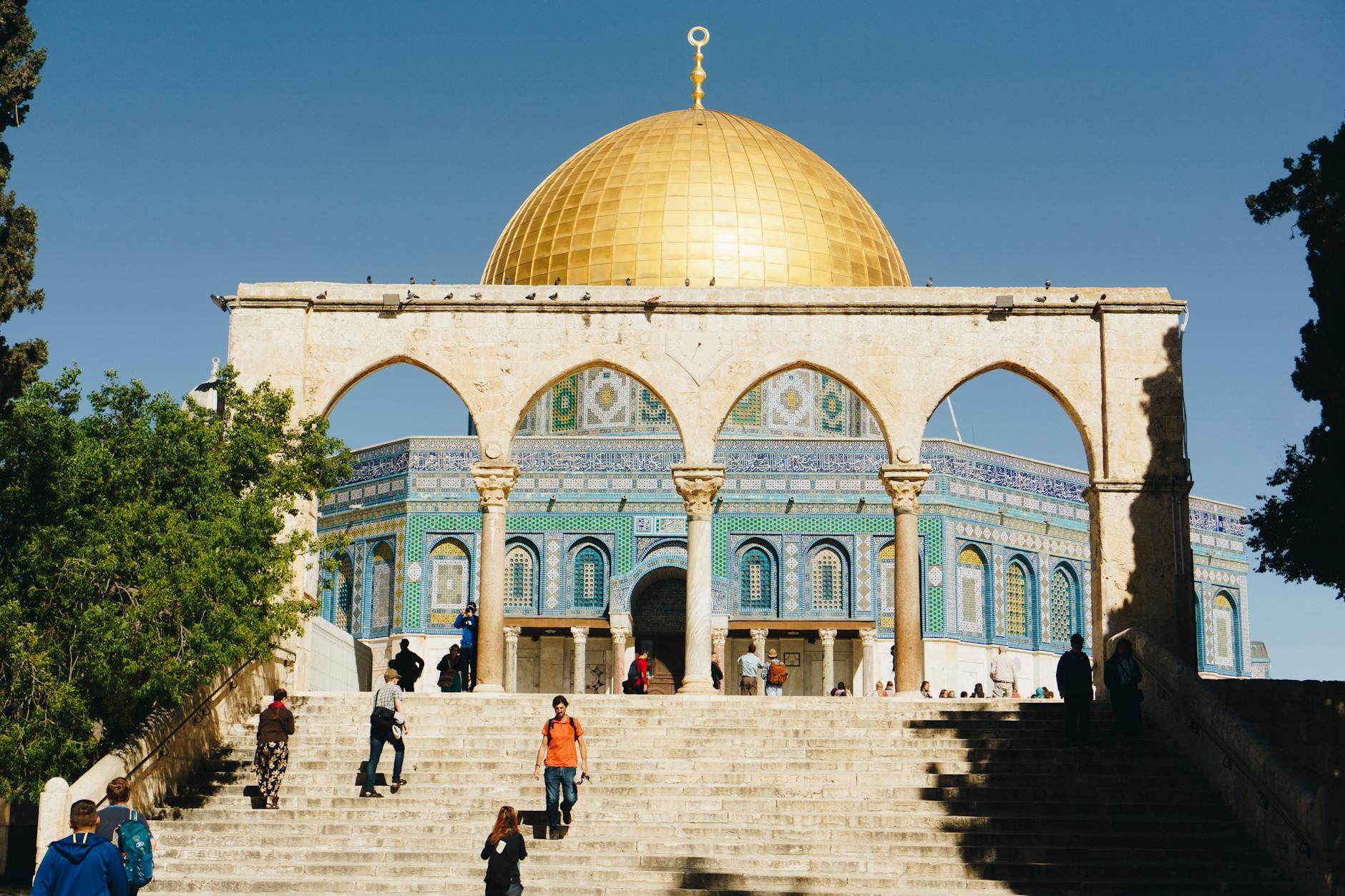
Why the Iran War Changed Everything for Saudi Arabia’s Strategic Thinking
What Obstacles Still Block Full Saudi-Israel Normalization?

Regional Implications Beyond Saudi Arabia and Israel
Looking Forward—Will This Lead to Lasting Peace or Temporary Alliance?
Conclusion
You Might Also Like