Did athletes sits at the center of this dementia and brain health question.
Athletes started betting on the stock market like it’s a sportsbook through platforms specifically designed to mimic stock trading—platforms like PredictionStrike and Mojo that let people buy and sell virtual shares of athletes the same way they’d buy stock in a company. When share prices rise based on athlete performance projections or increased demand, investors can profit from those price movements. What began as a niche financial experiment has exploded into one of the biggest stories in the U.S. betting industry, with major platforms like Kalshi and Robinhood enabling millions of dollars in trading volume and fundamentally changing how people think about athlete investments.
The appeal is obvious: sports fans who wanted to invest in athletes’ success could finally do so in a structured, regulated way. Instead of passive fandom, these platforms offered something that looked and felt like the stock market—because it is a stock market, just for sports. This shift didn’t happen overnight. It emerged from a combination of regulatory approval, technological capability, and growing demand for alternative investment options. But what seemed like a simple innovation has triggered serious questions about insider trading, fairness, and whether athletes should be allowed to trade on their own performance.
Table of Contents
- How Did Stock Market-Style Trading Platforms for Athletes Actually Start?
- The Prediction Markets That Created the Boom
- When Athletes Became Their Own Market Manipulators
- How Regulators Decided to Draw the Line
- Congressional Response and the Limits of Athletic Trading
- Why Retail Investors Haven’t Benefited As Much As Promised
- What Happens When Financial Innovation Outpaces Regulation
- Conclusion
How Did Stock Market-Style Trading Platforms for Athletes Actually Start?
The earliest major entry point was PredictionStrike, marketed as “the world’s first sports stock market.” The platform operated on a simple principle: investors could buy and sell virtual shares representing professional athletes, with those share prices reflecting performance projections and market demand. If an athlete beat expectations or gained popularity, their share price would rise. If their performance declined, the price would fall. Mojo followed with a similar model, allowing investors to buy shares in athletes—and notably secured the NFL players’ union as an investor, giving the concept institutional legitimacy. These platforms succeeded because they solved a psychological puzzle: they made sports investing feel tangible and understandable.
Instead of abstract derivatives or futures contracts, people could see themselves holding “shares” of their favorite athletes. It was intuitive, gamified, and accessible. The platforms weren’t technically gambling—they were regulated financial exchanges. That distinction mattered for regulatory approval and mainstream adoption. However, this accessibility also created an unexpected problem: if buying athlete shares felt like investing, it would inevitably attract both serious investors and casual participants with very different risk tolerances and financial literacy.
The Prediction Markets That Created the Boom
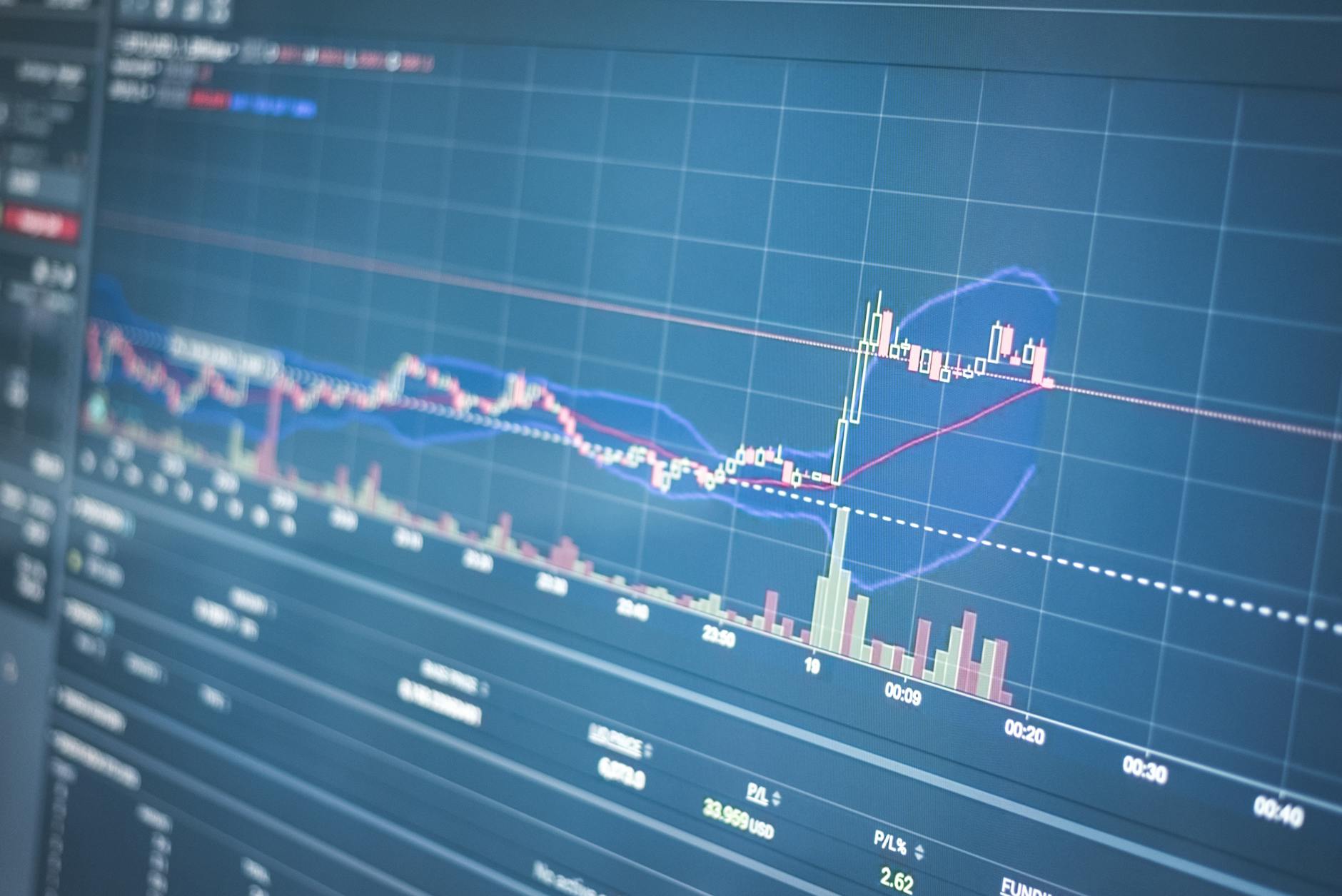
By 2026, the sports betting landscape had transformed dramatically. The global sports betting market had grown to $112.26 billion, with sports betting revenue alone hitting $16.96 billion in 2025. Prediction markets—platforms like Kalshi, Robinhood’s sports offerings, and Fanatics Markets—became the dominant force. Kalshi alone captured $720 million in NFL bets in 2026, a number so significant that it measurably impacted the stock performance of traditional betting companies like DraftKings and Flutter Entertainment. These platforms allowed investors to trade on the outcomes of sports events through CFTC-regulated contracts, spreading across all 50 U.S. states via Robinhood’s integration with Kalshi’s exchange.
The growth was staggering, but it obscured an uncomfortable truth: the faster these markets grew, the more opportunities they created for cheating. When billions of dollars flow through prediction markets tied to sports outcomes, the incentive to trade on inside information becomes almost irresistible. Multiple MLB pitchers, NBA players, and NCAA basketball players began accumulating accusations of insider trading conspiracies. An editor for MrBeast’s YouTube channel was caught in an insider trading case reported to the CFTC. Giannis Antetokounmpo’s investment in Kalshi, while legal, sparked public concerns about what happened when professional athletes traded contracts tied to their own sports. The problem wasn’t the platforms themselves—it was that these platforms had created the perfect vehicle for insider trading.
When Athletes Became Their Own Market Manipulators
The temptation for athletes is structural and nearly impossible to resist. An athlete with knowledge of upcoming injuries, poor performance, suspensions, or strategic changes has a direct path to profit: short the shares or event contracts of teams or players who will underperform, then release the news. The time window between when an athlete knows something and when the public finds out is where fortunes can be made. This isn’t theoretical—it’s already happened. The CFTC reported two insider trading cases connected to prediction markets, one of which involved an athlete or personnel with direct access to non-public information.
Consider the real scenario: a starting pitcher knows his team will bench him due to an undisclosed injury before the team announces it publicly. He could theoretically trade on that information before markets price in the change. The platform doesn’t know he has insider information because he looks like any other investor. Even when platforms tried to prevent this through trading restrictions, the incentives remained powerful. Athletes occupy a unique position—they’re simultaneously the subject of the market and potential traders within it, creating a conflict of interest that no simple rule change can fully resolve.

How Regulators Decided to Draw the Line
On March 23-24, 2026, Kalshi announced a preemptive move: it would block athletes, team personnel, and referees from trading on markets associated with sports where they’re involved. This wasn’t a response to a single scandal but a recognition that the opportunity for insider trading was baked into the system. The CFTC and SEC had already classified prediction markets as regulated stock exchanges, not traditional sports bets, which meant they fell under securities law. That regulatory framework provided tools to prevent insider trading, but implementation proved trickier than the rules suggested.
However, the block raised questions of its own. How does a platform verify an employee isn’t trading through a family member’s account? What about former athletes with knowledge of team operations? How long should the restriction last after retirement? Kalshi’s decision was proactive and reasonable, but it highlighted the gap between rule-making and enforcement. The platforms had to become part regulator, part exchange operator, monitoring millions of accounts for suspicious activity while processing enormous trading volumes. This burden wasn’t equally distributed—smaller prediction platforms lacked the resources to police trading as thoroughly as Kalshi, creating regulatory arbitrage where traders could move to less-monitored venues.
Congressional Response and the Limits of Athletic Trading
The insider trading scandals didn’t escape Congress’s attention. At least seven bills targeting prediction markets were introduced in Congress in 2026, covering insider trading restrictions, sports contract bans, and broader regulatory reforms. The proposed legislation ranged from straightforward—prohibiting athletes from trading on their own sport—to more ambitious, attempting to restructure how prediction markets operate entirely. Some bills proposed requiring platforms to verify the identity and role of every trader before allowing trades on sports-related contracts.
Yet this legislative push also exposed a fundamental tension: how do you regulate something that’s growing faster than Congress can legislate? By the time bills were drafted, debated, and (possibly) passed, the market had already evolved new workarounds. Moreover, attacking the insider trading problem required distinguishing between legitimate trading (a fan buying Kalshi contracts) and illegal trading (an athlete doing the same based on private information). That distinction is simple in theory but murky in practice. Is a retired quarterback with lingering connections to his former team an insider? What about an investor who happens to be friendly with a coach? Regulation works best when there are clear bright lines, but prediction markets stubbornly refuse to provide them.

Why Retail Investors Haven’t Benefited As Much As Promised
When these platforms launched, they promised to democratize sports investing—allowing ordinary fans to build wealth by backing their favorite athletes or teams. The reality proved more complicated. Income-sharing platforms and athlete-focused investment products have struggled, with minimal success for retail investors outside a few high-profile cases. The problem isn’t that regular people can’t make money; it’s that the game is structured against them.
Professional traders with access to data analytics, market information, and execution speed consistently outperform casual investors. In traditional stock markets, this creates a tiered system where professional investors extract value from retail participants. In prediction markets, the same dynamics play out, but compressed into faster timeframes. An athlete can benefit from insider knowledge; a professional trader can benefit from superior information and speed; but a retail investor mostly just participates. The platforms marketed themselves as democratizing investment, but they’ve largely replicated the same advantages that existed in traditional finance.
What Happens When Financial Innovation Outpaces Regulation
The story of athletes betting on stock markets is ultimately a story about innovation racing ahead of guardrails. The technology to build these platforms existed years before the regulatory framework to police them. By the time regulators caught up, billions were flowing through the system, and powerful interests had aligned around preserving the status quo. The prediction market industry will likely survive the 2026 insider trading scandals and Congressional scrutiny, but not unchanged.
Going forward, expect prediction markets to look more like traditional exchanges—with stricter identity verification, more sophisticated monitoring for suspicious patterns, and clearer rules about who can trade on what. The current moment represents a transition from the Wild West phase to something more formalized. That formalization will make the markets safer but probably less profitable for the casual trader and more convenient for the sophisticated one. Athletes will largely be excluded from trading on their own sports, not out of moral principle but out of regulatory necessity. The platforms have learned the hard way that even the appearance of fair access requires preventing obvious conflicts of interest.
Conclusion
Athletes started betting on the stock market like it’s a sportsbook because financial platforms designed exactly for that purpose made it possible. What emerged was a $112 billion-plus industry where millions of people could buy and sell shares of athletes the same way they’d trade stock. But this innovation revealed a fundamental problem: when the people whose performance determines the market outcome are allowed to trade on that outcome, insider trading becomes nearly inevitable. Kalshi, Robinhood, and other platforms have started implementing safeguards, Congress is drafting legislation, and the CFTC is monitoring for violations—but these measures are essentially closing the door after it’s already open. The key takeaway is that prediction markets will persist and probably grow, but with new boundaries.
If you’re interested in sports investing, understand that these platforms are exchanges, not sportsbooks—regulated under securities law, subject to insider trading rules, and accessible mainly to people who can evaluate performance data and market trends. The democratization promised at launch was partly real but also partly marketing. The platforms did lower barriers to entry, but they didn’t eliminate the advantages that come with information, speed, and capital. Approach sports trading the way you’d approach any financial investment: understand the risks, verify the regulatory status of your platform, and avoid trading on information you might have as an insider. The athletes who got caught trading on prediction markets in 2026 thought they’d found a hidden advantage. Instead, they found out how seriously regulators take their rules.
You Might Also Like
- How Did a Robot Start Playing Tennis with Humans in Real Time?
- Why Are Spiders the Size of a Human Hand Spreading Throughout the US?
- Why Did a Popular Cruise Line Abruptly Change 20 Voyages and Ruin Thousands of Vacations?
For more, see Alzheimer’s Association — medical tests.