
Best seating sits at the center of this dementia and brain health question.
The best seating support for Alzheimer’s patients during spiritual services combines an angled seat rake (which prevents forward sliding), lateral support cushions, and tilt-in-space positioning to maintain proper posture when patients can no longer control their own body alignment. When someone with Alzheimer’s attends a service, they may not recognize when they’ve slumped to one side or lost their posture—specialized dementia chairs address this with designed features that keep them comfortable, dignified, and able to participate fully in the experience.
This article covers the specific seating features that work, how to assess individual needs, what accessibility accommodations churches can offer (and which are optional versus required), and how to work with professionals to select the right solution. Spiritual participation is important for many families, yet standard church pews and folding chairs leave people with dementia vulnerable to poor posture, pressure ulcers, and discomfort during services. The good news is that evidence-based seating solutions exist and are increasingly available—but choosing the right one requires understanding how these features work together and what your specific setting can realistically provide.
Table of Contents
- What Seating Features Specifically Support Alzheimer’s Patients During Long Periods of Sitting?
- How Tilt-in-Space Positioning Prevents Pressure Ulcers and Breathing Problems in Extended Services
- Cocoon-Shaped Seating and Psychological Comfort During Vulnerable Moments
- Choosing Between Standard, Specialized, and Temporary Seating Solutions for Your Spiritual Community
- Accessibility and Legal Considerations in Religious Settings
- Why Occupational Therapy Assessment Matters for Seating Decisions
- Spiritual Resources and Community Support for Families
- Conclusion
What Seating Features Specifically Support Alzheimer’s Patients During Long Periods of Sitting?
dementia-friendly chairs include several evidence-based features designed to maintain posture and comfort. The angled seat rake—a slope that descends toward the back—prevents patients from sliding forward when their postural control diminishes. This is paired with lateral support cushions that are often removable, allowing caregivers to add wedges or cushions as the person’s needs change week to week. Together, these features address a core problem: someone with advancing Alzheimer’s may not have the awareness to sit up straight, push themselves back in their seat, or signal discomfort.
Beyond the seat itself, cushioned armrests, seat cushions, and headrests provide comprehensive support. Many dementia chairs feature interchangeable cushions, which matters because needs evolve—what works in early-stage disease may not work months later as motor control changes. For example, a person who initially needs only light lateral support might later benefit from more substantial side cushions as their trunk control deteriorates. This flexibility prevents the expensive and disruptive cycle of buying a new chair every time symptoms progress.
How Tilt-in-Space Positioning Prevents Pressure Ulcers and Breathing Problems in Extended Services
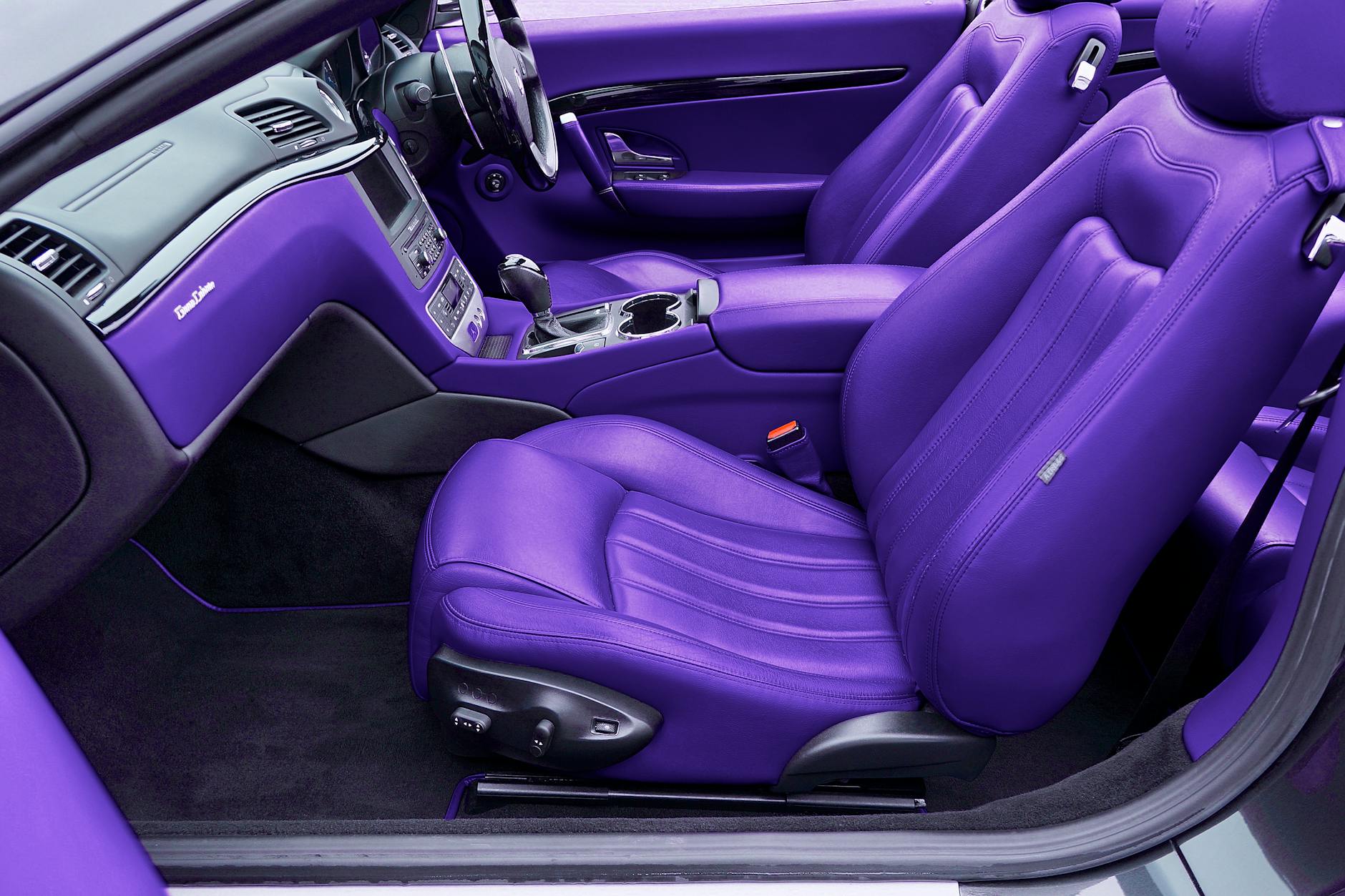
Tilt-in-space technology adjusts the entire chair (not just the backrest) to help centralize the patient’s alignment and redistribute pressure away from vulnerable areas like the tailbone and heels. This matters during spiritual services because extended sitting—even a 30-minute service—can begin creating pressure points that develop into ulcers over weeks if the person sits in a slumped position. Proper seating support reduces this risk significantly by preventing the slouch that cuts off circulation.
However, it’s important to understand the limitations. Tilt-in-space chairs are more expensive than standard dementia chairs and take up more physical space in a church—they may not fit in narrow pews or through standard doorways. Additionally, some patients with advanced Alzheimer’s may feel unsettled by the movement of the chair tilting, so this feature works best when caregivers understand how to operate it smoothly and explain what’s happening. If your church is exploring tilt-in-space seating, budget for staff training and acknowledge that the setup process before each service will take a few extra minutes.
Cocoon-Shaped Seating and Psychological Comfort During Vulnerable Moments
Some dementia chairs use a cocoon-shaped design—essentially, they wrap around the person’s sides and back—which creates a psychological sense of being supported and “hugged.” This design can calm ataxic (uncoordinated) movements and provide reassurance to someone who may feel anxious or confused in a group setting. During a spiritual service, when a person with Alzheimer’s may be uncertain about their surroundings, this gentle containment can be grounding rather than restricting. The key distinction is between supportive design and entrapment.
A properly designed cocoon chair uses gentle curves and removable cushions so a caregiver can help the person in and out easily. A poorly designed chair that feels too tight or has armrests the person can’t navigate independently will create anxiety and resist—the opposite of the intended effect. When evaluating these chairs, always check that a caregiver can assist the person in and out in under one minute, and that the cushions or sides don’t make the person feel trapped.
Choosing Between Standard, Specialized, and Temporary Seating Solutions for Your Spiritual Community
Churches face practical constraints that affect seating choices. A large parish with dedicated space might invest in 4–6 dementia-specific chairs placed in accessible locations near exits and restrooms, allowing families to request them when needed. A smaller church or one with limited storage might use portable lateral support cushions that fit into standard chairs, creating a hybrid approach. A third option is partnering with local medical equipment rental companies to provide chairs temporarily for specific services when families know they’ll need support.
Each approach has tradeoffs. Dedicated dementia chairs signal to the community that accessibility matters and remove the need for ad-hoc solutions, but they’re expensive (typically $800–$3,000 per chair) and require storage space. Portable cushions are affordable and flexible but require staff training to install correctly and won’t suit everyone—someone with severe ataxia still needs the full-chair support. Rental partnerships spread costs but require coordination and advance notice. Many spiritual communities find the most realistic starting point is 2–3 permanent chairs plus a collection of removable lateral cushions, which balances investment with flexibility.
Accessibility and Legal Considerations in Religious Settings
It’s important to acknowledge an uncomfortable reality: religious organizations are exempt from ADA (Americans with Disabilities Act) requirements in the United States. This means churches are not legally required to provide accessible accommodations, including seating support for people with dementia. However, this exemption does not mean churches should ignore accessibility—many faith communities choose to provide accommodations as an expression of their values. This legal framework shapes practical conversations.
You cannot pressure a church by citing ADA violations because the law doesn’t apply. Instead, conversations about seating support need to emphasize spiritual inclusion, caregiver wellbeing, and the fact that addressing accessibility often costs less than many communities assume. Also understand that shorter spiritual experiences—such as dementia-friendly Bible studies in a controlled room rather than a full service—may be more suitable for some families. If a person with advanced Alzheimer’s does attend a larger service, caregivers should be prepared to limit participation afterward (skip the social hour, leave through a side exit) to prevent overwhelming the person with unexpected interactions.
Why Occupational Therapy Assessment Matters for Seating Decisions
While it’s tempting to research chairs online and order one that “looks right,” occupational therapists (OTs) bring assessment skills that catch mismatches. An OT will evaluate the specific person—their height, weight, current posture habits, whether they lean left or right, their pain points, and how their condition is progressing. They may observe the person sitting in several different chairs over multiple visits to understand which setup actually works in real conditions, not just in theory.
This process takes time—often weeks—but prevents expensive mistakes. For example, a caregiver might assume their relative needs full-body containment, but an OT might identify that what the person actually needs is firmer lateral support and a footrest; adding an armrest could actually increase restlessness. Working with an OT also connects you with professional networks; the OT likely knows which local churches have existing seating, which rental companies are reliable, and whether your state has funding programs for accessibility equipment.
Spiritual Resources and Community Support for Families
Several organizations exist specifically to help families navigate spiritual participation with dementia. Spiritual Eldercare offers free resources including dementia-friendly Bible studies and nondenominational worship services designed for people with cognitive decline—these structured, shorter formats often work better than standard hour-long services. The Alzheimer’s Association provides broader caregiving support programs and can connect you with local support groups where other families share what’s actually working in their communities.
Moving forward, the landscape of dementia-friendly spiritual spaces is gradually improving. More churches are recognizing that small investments in seating, quieter service options, and trained volunteers significantly increase participation and reduce caregiver stress. If your current spiritual community doesn’t yet have dementia-friendly seating, sharing research about available options and offering to help explore solutions (whether that’s bringing in an OT for assessment or connecting with other families interested in pooled resources) can start the conversation.
Conclusion
The best seating support for Alzheimer’s patients during spiritual services is individualized—there is no single “right” chair for everyone. However, the evidence is clear that angled seat rakes, lateral support cushions, cushioned features, and professional assessment dramatically improve comfort, prevent pressure ulcers, and allow people with dementia to participate with dignity.
The practical challenge for spiritual communities is not whether these solutions exist, but how to implement them within real budgets and space constraints. Starting point: contact an occupational therapist for assessment, explore whether your spiritual community can dedicate 2–3 dementia-friendly chairs, and investigate shorter or quieter service options through organizations like Spiritual Eldercare. The goal is not perfection—it’s creating an environment where someone with Alzheimer’s can sit comfortably, feel supported, and participate in the spiritual practices that matter to them and their family.
You Might Also Like
- What’s the Best Seating Support for Alzheimer’s Patients During Vital Checks?
- What’s the Best Seating Support for Dementia Patients During Physical Decline?
- What’s the Best Seating Support for Alzheimer’s Patients During Care Tasks?
For more, see NIH MedlinePlus — dementia.





