Yes, the power grid is under significant strain as temperatures continue to rise, and this crisis has direct implications for older adults and people with dementia who depend on reliable electricity for cooling, medical devices, and heating. The U.S. is experiencing record-breaking heat in March 2026—temperatures in the 90s and exceeding 100°F in some Western regions, breaking records for the hottest March day in U.S. history.
At the same time, global electricity demand is surging at unprecedented rates, with demand projected to grow 3.7% in 2026 alone, while the infrastructure needed to deliver that power remains stuck in development limbo. This perfect storm of extreme weather and bottlenecked grid expansion means that power reliability and costs are becoming critical health and safety concerns for vulnerable populations. This article examines why the power grid is strained, how heat physically compromises electricity generation, what this means for older adults and dementia care, and what solutions are emerging. We’ll explore the global demand surge, the infrastructure gap holding back investment, how extreme heat reduces power plant efficiency, and why renewable energy and battery storage are becoming essential tools for grid stability. Understanding these dynamics matters because your heating and cooling may depend on their success.
Table of Contents
- What’s Driving the Sudden Surge in Electricity Demand?
- How Extreme Heat Sabotages Power Generation Itself
- The Crisis in Power Grid Infrastructure and Connection Queues
- Why Rising Energy Costs Hit Older Adults and Dementia Care Facilities Hardest
- Supply Chain Vulnerabilities and the Transformer Shortage
- Renewable Energy and Battery Storage as Grid Stabilizers
- Looking Ahead—The Race Between Demand Growth and Infrastructure Build-Out
- Conclusion
- Frequently Asked Questions
What’s Driving the Sudden Surge in Electricity Demand?
Global electricity consumption is expected to reach over 29,000 terawatt-hours in 2026, driven by multiple converging forces. The United States alone is seeing electricity demand increase 2.2 to 2.3 percent annually through 2026, with a significant portion of that growth coming from the rapid expansion of artificial intelligence data centers. These facilities consume enormous amounts of power 24/7, competing with residential and healthcare systems for available electricity. Meanwhile, developing nations are driving even steeper growth curves: China’s electricity demand is projected to grow 5.7 percent in 2026, with peak loads potentially reaching 1,570 gigawatts during severe heatwaves—a 7 percent increase—while India’s demand is expected to grow 6.6 percent.
For dementia care facilities and older adults dependent on air conditioning, this growing competition for electricity is more than an economic issue. When data centers and industrial users demand power simultaneously with a heat wave, residential and healthcare loads can face voltage reductions or rolling brownouts. Assisted living facilities, memory care centers, and home-based elder care systems that rely on consistent power for refrigeration of medications, ventilation, and climate control can experience service interruptions. The infrastructure built decades ago was never designed to handle this simultaneous surge in commercial, residential, and healthcare demand.

How Extreme Heat Sabotages Power Generation Itself
The cruel irony of rising temperatures is that heat doesn’t just increase electricity demand—it also reduces the ability of power plants to generate electricity efficiently. Natural gas turbines, which supply a significant portion of U.S. baseload power, are approximately 25 percent less efficient during hot weather. This means that on the very days when millions of people are running air conditioners, the plants that could help meet that demand are operating at degraded capacity. Water-cooled power plants face similar challenges: as ambient temperatures rise, these facilities struggle to dissipate waste heat, forcing them to reduce output or shut down entirely to prevent exceeding temperature limits in nearby water sources.
The Southwest region—California, Arizona, Nevada, and Texas—will experience 4 or more months annually when temperatures compromise power transformers, the critical equipment that steps voltage up and down across the transmission system. Scientists project the U.S. will need 3 times as many transformers by 2050 as it currently has, yet these are among the longest-lead-time components in the supply chain, often requiring 18 to 24 months to manufacture and install. A single transformer failure during peak demand can cascade outages across entire neighborhoods. For dementia patients on ventilators, oxygen concentrators, or electric hospital beds, these infrastructure gaps represent direct health risks.
The Crisis in Power Grid Infrastructure and Connection Queues
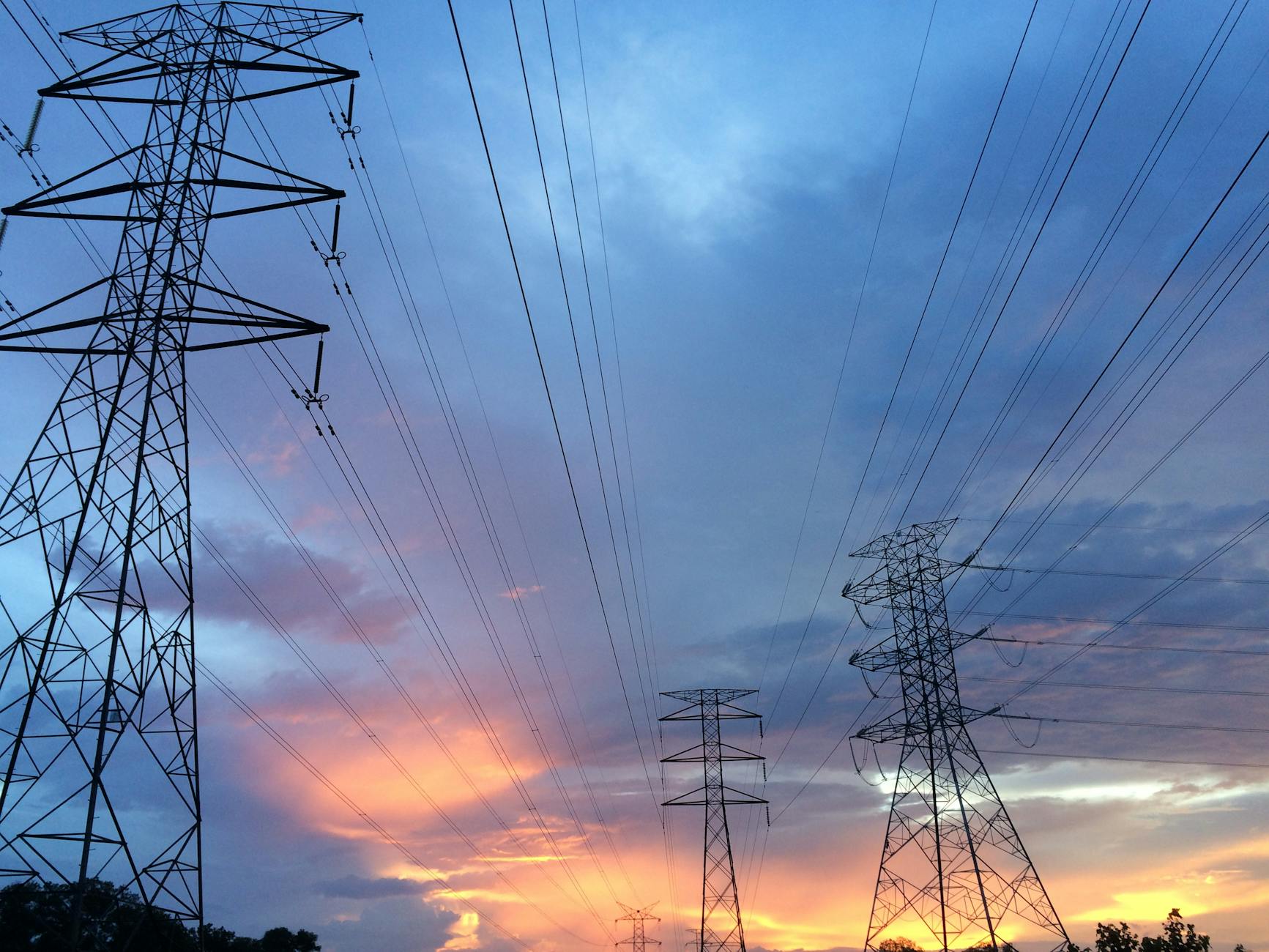
More than 2,500 gigawatts of electricity generation projects are currently stuck in grid connection queues worldwide, unable to connect to the transmission system even after years of development and investment. This bottleneck represents renewable energy farms, battery storage facilities, and backup generation—exactly the resources needed to absorb the demand surge and provide resilience during heat waves. In the United States, the PJM Interconnection, which serves 65 million people across 13 states, projects a 6-gigawatt shortfall from its reliability requirements by 2027. This shortfall is partly driven by increased demand from artificial intelligence data centers, but it also reflects years of underinvestment in transmission infrastructure.
To close this infrastructure gap, annual grid investment needs to increase by roughly 50 percent by 2030 from its current baseline of 400 billion dollars. This is not a gradual phase-in but a dramatic acceleration required within four years. The challenge extends beyond money: permitting delays, land acquisition disputes, and interconnection procedures can stretch a transmission project from conceptual design to energized operation over 10 to 15 years. For a dementia care system already contending with aging buildings and tight budgets, these structural delays mean that grid improvements—the infrastructure that would provide more reliable power and stable costs—remain perpetually out of reach.
Why Rising Energy Costs Hit Older Adults and Dementia Care Facilities Hardest
The strain on the power grid directly translates to volatile energy prices. In March 2026, Arctic storms triggered a 20 percent spike in U.S. natural gas prices, which power many electric generating plants. Dementia care facilities operating on fixed budgets face immediate pressure: increased energy costs reduce resources available for staffing, equipment maintenance, and therapeutic programs.
For older adults living independently, rising electricity bills during summer months force difficult choices—run the air conditioning and risk financial hardship, or reduce cooling to save money while accepting heat-related health risks. Heat stress in older adults with dementia is particularly dangerous because the disease impairs the body’s ability to regulate temperature and recognize overheating. Dementia patients often cannot independently adjust thermostats, recognize dangerous heat conditions, or communicate that they are uncomfortable. When power costs force facilities or families to compromise on cooling, dementia residents bear disproportionate risk. The economic strain of grid instability thus becomes a direct health threat to a vulnerable population.
Supply Chain Vulnerabilities and the Transformer Shortage
The electrical grid depends on thousands of large power transformers, the equipment that converts voltage levels between transmission, distribution, and end-use systems. These are specialized, heavy equipment with long manufacturing lead times. When a transformer fails during peak demand, replacement can take months, creating extended outages in affected areas. The natural gas price spike mentioned earlier compounds this risk: manufacturing these transformers is energy-intensive, so rising energy costs increase production delays and component prices.
Extreme heat exacerbates transformer aging. High ambient temperatures stress insulation, accelerate oxidation of transformer oil, and shorten equipment lifespan. A transformer rated to operate safely at 100 degrees Fahrenheit will fail sooner when routinely exposed to sustained temperatures above 105 degrees, as are increasingly common in the Southwest. This creates a vicious cycle: heat reduces transformer lifespan, increased demand for replacements strains manufacturing capacity, and delayed replacements increase the likelihood of outages during the next heat wave. Dementia care facilities in hot climates may find their backup generators also compromised by heat-related component failures.
Renewable Energy and Battery Storage as Grid Stabilizers
Despite these challenges, renewable energy and battery storage systems are emerging as practical solutions to grid strain. During a July 2025 heat wave, solar energy and battery storage saved consumers over 20 million dollars in avoided peak electricity rates across the Northeast by providing power during peak demand hours. In Texas, solar and wind generation met over one-third of ERCOT’s electricity demands during the first nine months of 2025. These systems provide value not only by generating clean electricity but by shifting demand: batteries discharge power during afternoon and evening peak hours, flattening the demand curve and reducing strain on aging thermal generation plants.
For dementia care facilities, distributed solar and backup battery systems offer direct benefits. A 50 to 100-kilowatt rooftop solar array with battery storage can keep critical loads online during outages, ensuring continuous operation of life-support equipment, refrigeration for medications, and emergency lighting. Several assisted living communities in California have installed these systems, reporting both reduced energy costs and improved resilience. However, the upfront capital cost of 100,000 to 300,000 dollars remains prohibitive for many smaller facilities, and many operate on properties where roof space or structural capacity limits solar potential.
Looking Ahead—The Race Between Demand Growth and Infrastructure Build-Out
The next three to five years will determine whether the power system can accommodate continued demand growth without frequent outages and price spikes. The International Energy Agency has issued clear guidance that current investment trajectories are insufficient: doubling grid investment from 400 billion dollars annually to 600 billion dollars by 2030 is not optional but mandatory to maintain grid reliability. Yet even with accelerated funding, regulatory delays and supply chain bottlenecks mean that infrastructure installed in 2030 can only address demand growth anticipated for 2032 or 2033—a perpetual gap between need and capacity. For dementia care organizations and older adults, this outlook demands proactive planning.
Communities that wait for the grid to improve may face extended periods of unreliable power or very high energy costs. Those that invest now in backup generation, solar, battery storage, or demand management systems will gain competitive advantages in cost stability and service reliability. As heat waves intensify and as artificial intelligence data centers continue their rapid expansion, the power system will remain under strain. Preparing for this reality—rather than hoping it will resolve—is the responsible path forward.
Conclusion
The power grid is under genuine strain from a convergence of forces: record heat, surging electricity demand from data centers and developing nations, and infrastructure bottlenecks preventing new generation and storage from connecting to the system. The situation is not a temporary disruption but a structural challenge that will persist through at least 2030. The physical impact of heat on power plant efficiency—reducing natural gas turbine output by 25 percent during peak temperatures—means that the grid’s ability to respond to demand surges is compromised precisely when demand peaks. For dementia care facilities and older adults, this situation demands immediate attention to backup power, energy efficiency, and cost management.
Facilities should assess their backup generator capacity and fuel supply, consider distributed solar and battery storage where feasible, and develop protocols for operating safely during extended outages or power quality issues. Families caring for older adults with dementia should understand the heat risks specific to dementia and ensure that cooling systems are reliable and maintained. Advocacy for accelerated grid investment, transmission permitting reform, and incentives for distributed renewable energy at healthcare facilities would also benefit vulnerable populations most exposed to grid instability. The power grid crisis is not an abstract economic issue—it is a direct health challenge for people who depend on reliable electricity to survive.
Frequently Asked Questions
Will the power grid fail completely during summer heat waves?
Complete grid failure is unlikely in most regions, but rolling blackouts, voltage reductions, and extended outages are increasingly probable, particularly in the Southwest and in regions with high data center concentration. Dementia care facilities in these areas should have backup plans. Some utilities have already conducted studies showing that rolling outages may be necessary in 2027 or 2028 without accelerated infrastructure investment.
How long does it take to recover from a major power outage?
Local outages (affecting a neighborhood) typically last 2 to 12 hours. Regional outages (affecting multiple counties) can last 24 to 72 hours or longer. During the Texas freeze of 2021, some areas went without power for over a week. Extended outages pose serious risks for dementia patients on medical equipment or requiring constant supervision and cooling.
Can a home backup generator run air conditioning?
Most home generators are 5 to 20 kilowatts and cannot run a full air conditioning system continuously, though they can run a portable air conditioner or window unit. A generator large enough to power central air (typically 20+ kilowatts) requires professional installation, propane or natural gas supply, and costs 5,000 to 15,000 dollars. Battery backup systems are quieter and don’t require fuel but are more expensive upfront and require solar or grid charging.
Is there a difference in outage risk between geographic regions?
Yes. The Southwest (California, Arizona, Nevada, Texas) faces the most acute risk due to heat stress on transformers and transmission constraints. The Midwest and Northeast are somewhat more robust but still vulnerable during extreme heat events. Coastal regions with marine climate moderation face lower risk. Texas, California, and Arizona should be considered high-risk zones for extended outages in coming summers.
Will renewable energy solve this problem?
Renewable energy is part of the solution but not the complete answer. Solar and wind require complementary battery storage to shift power from peak generation hours to peak demand hours. Even with rapid renewable deployment, the grid still needs upgraded transmission lines to move power from resource-rich regions (like wind farms in the Plains) to load centers (like cities). Battery storage costs have dropped 90 percent in the past decade, making this approach increasingly viable, but scaling to terawatt-hour levels will take years.
How can dementia care facilities prepare for grid strain?
Facilities should audit critical loads (medical equipment, refrigeration, emergency lighting), install backup power sufficient for at least 72 hours of critical load operation, ensure regular generator maintenance and fuel supply, develop protocols for operating without HVAC systems, and maintain manual records of resident information and medications in case electronic systems go offline. Consulting with an electrical engineer experienced in healthcare facility resilience is highly recommended.