Exercise therapy stands as the first-line treatment strategy for chronic back pain, backed by moderate-certainty evidence showing it’s more effective than no treatment, usual care, or placebo alone. When someone develops back pain lasting longer than three months, physical therapists typically begin with a structured exercise program tailored to the individual’s condition, gradually building strength and mobility in the core muscles that support the spine. This isn’t passive therapy—it requires active participation from the patient, but the results justify the effort. This article explores why exercise therapy has become the gold standard, which specific exercises work best, how long treatment typically takes, and how physical therapy fits into a broader approach to managing chronic back pain, particularly for those navigating the intersection of physical and cognitive health.
Table of Contents
- Why Is Exercise Therapy the Foundation of Back Pain Treatment?
- What Types of Exercises Are Most Effective?
- How Long Does Physical Therapy Treatment Typically Last?
- Specific Exercise Programs: Pilates, McKenzie, and Functional Restoration
- Why Exercise Outperforms Passive Treatments
- The Biopsychosocial Approach to Back Pain
- Long-Term Management and Preventing Recurrence
- Conclusion
Why Is Exercise Therapy the Foundation of Back Pain Treatment?
The science behind exercise therapy for chronic back pain is straightforward: movement restores function to tissues and nervous system pathways that have become dysfunctional from pain and inactivity. When pain persists, people naturally tend to reduce activity, which leads to deconditioning, muscle weakness, and a self-perpetuating cycle of pain and disability. Exercise interrupts this cycle by gradually rebuilding strength, improving flexibility, and desensitizing the nervous system to movement. Research shows that active exercise programs consistently outperform passive treatments like rest alone, medication without movement, or even manual therapy without an exercise component.
For someone who has experienced back pain for years, the transition from believing “I shouldn’t move” to “I need to move strategically” marks a fundamental shift in recovery. The statistics underscore how common this problem is: approximately 80% of people experience back pain at some point in their lives, and roughly 23% of the world’s population suffers from chronic back pain. Despite how frequent the condition is, many people delay starting physical therapy or pursue passive treatments first, which can extend recovery timelines. The evidence shows that people who begin exercise therapy early tend to recover more quickly—about 56.7% of patients regain work capability within six months of back pain onset, often accelerated through physical therapy participation.
What Types of Exercises Are Most Effective?
Not all exercises deliver equal results for chronic back pain. Research has identified specific approaches that consistently outperform generic stretching or light movement. Pilates, McKenzie therapy, and functional restoration programs show the strongest evidence for reducing pain and improving function. Core-based training—exercises targeting the deep abdominal and spinal stabilizer muscles—has proven particularly effective. Mind-body exercises including Tai Chi and yoga also show favorable outcomes, especially when they combine awareness of posture and movement with gradual strengthening. The key principle is that targeted, tailored exercise programs work better than one-size-fits-all approaches.
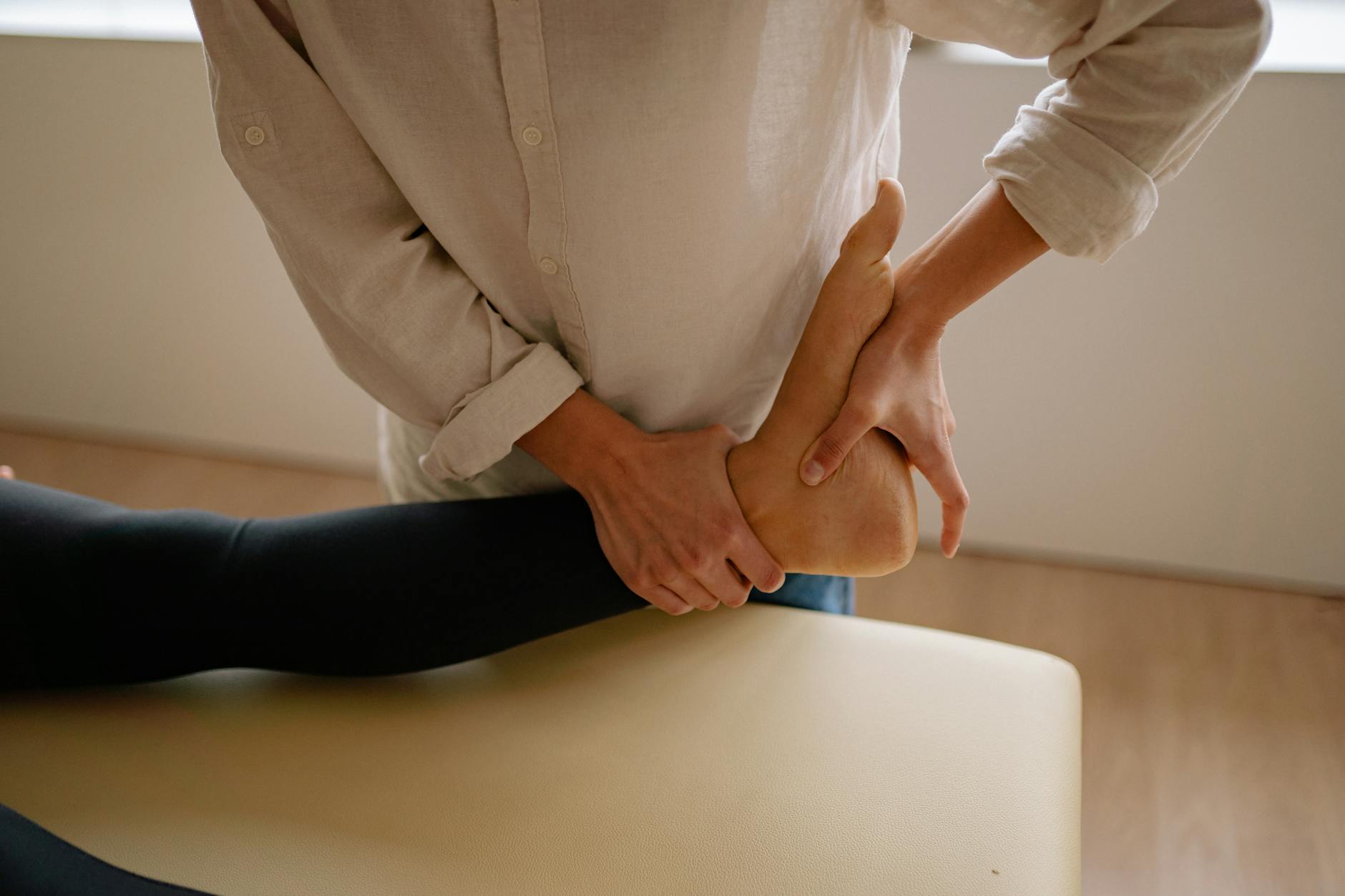
A physical therapist assessing your specific condition can determine whether your pain stems more from weakness, stiffness, poor movement patterns, or a combination, then design an exercise program addressing those particular deficits. However, there’s an important limitation: generic exercise without professional guidance often falls short. Someone who watches a YouTube video and performs random back exercises might feel temporary relief but fail to address the underlying dysfunction, potentially reinforcing harmful movement patterns. This is why physical therapy from a licensed professional matters—the therapist provides assessment, progression, correction, and accountability. Additionally, not every exercise modality works equally well for every person. Someone with severe arthritis in their spine might benefit more from Pilates’ controlled movements than from high-impact functional restoration exercises, while an athlete might need more aggressive strengthening. The art of physical therapy involves matching the exercise strategy to the individual.
How Long Does Physical Therapy Treatment Typically Last?
One of the most important questions people ask is: “How long will I need therapy?” Research indicates that 8-12 weeks of treatment showed the strongest effects on pain reduction and disability improvement. This timeframe represents a typical course that produces meaningful, measurable change. Within those 8-12 weeks, patients usually attend therapy twice per week, with sessions lasting 30-60 minutes, combined with home exercises performed on non-therapy days. The idea isn’t that someone walks out pain-free after 12 weeks and never thinks about back health again—rather, they’ve learned exercises and movement strategies they can maintain independently. The duration varies based on severity and individual response.
Someone with mild pain and good mobility might need only 4-6 weeks of focused work, while someone recovering from a more serious injury or with multiple complications might benefit from 12-16 weeks or longer. Physical therapists continually reassess progress and adjust the program. If you’re not showing measurable improvement in pain, function, or strength by week 4-6, the therapy plan should be modified. Additionally, many people continue some form of maintenance exercise program indefinitely—not intensive therapy, but regular home exercises that prevent recurrence. One practical consideration: physical therapy reduces treatment costs by 72% within the first year compared to other approaches, making it economically sensible alongside being clinically effective.

Specific Exercise Programs: Pilates, McKenzie, and Functional Restoration
Understanding the main exercise programs helps clarify what you might encounter in a physical therapy clinic. Pilates emphasizes controlled movements with focus on core engagement and spinal alignment, building deep stabilizer strength through repetition and precision. McKenzie therapy uses a systematic approach to assess which movements centralize pain (move it away from the leg and closer to the lower back), then prescribes repeated movements in that direction, aiming to resolve the underlying mechanical problem. Functional restoration takes a broader approach, progressing through gradually more demanding exercises that simulate real-world activities, with the goal of returning to work and daily tasks without limitation.
Each approach has evidence supporting it, but the best choice depends on your specific condition. McKenzie works particularly well for certain types of disc-related pain, while Pilates suits people needing careful, progressive core rebuilding, and functional restoration serves those preparing to return to demanding physical work. Many physical therapists blend elements from multiple approaches rather than adhering rigidly to one system. The comparison matters because it illustrates that “physical therapy” isn’t a single protocol—it’s a framework of assessment-driven, evidence-based exercise selection.
Why Exercise Outperforms Passive Treatments
The shift in clinical guidelines toward active exercise represents a fundamental change in how back pain is managed. For decades, rest was recommended, then passive modalities like massage, ultrasound, and manual therapy became popular. Research has now firmly established that while manual therapy can reduce pain temporarily, it doesn’t produce lasting functional improvement without exercise. This distinction is critical: passive treatments might help you feel better briefly, but active treatments actually change the underlying biology. Exercise stimulates neuroplasticity, rebuilds muscle, improves blood flow, and retrains movement patterns.
The nervous system learns that movement is safe and beneficial rather than dangerous. One important caveat: in the acute phase immediately after injury, some rest combined with gentle movement may be appropriate. But for chronic pain lasting weeks or months, avoiding activity worsens outcomes. Many people fear that movement will cause injury, but properly progressed exercise actually builds resilience and prevents future injury. The mind-body connection matters tremendously here—someone convinced that their back is fragile will move cautiously and protectively, reinforcing deconditioning, while someone who understands that controlled exercise is healing will engage more confidently with the program.

The Biopsychosocial Approach to Back Pain
Modern understanding recognizes that chronic back pain involves more than just mechanical problems—it’s biopsychosocial, meaning physical movement, stress levels, sleep quality, and nutrition all affect pain perception. This expanded view is especially relevant for those interested in brain health and dementia prevention. Chronic pain itself is a neurological condition affecting how the brain processes signals. Regular exercise through physical therapy addresses all dimensions: the physical component through strengthening and movement, the psychological component by building confidence and reducing fear-avoidance, and the social component by helping people return to activities and roles.
Sleep quality improves as pain decreases and as exercise promotes better sleep architecture. Stress management becomes easier when you’re physically active. Research supports combining multiple treatment approaches for better results than exercise alone. When exercise is paired with manual therapy, biofeedback, or mind-body techniques like yoga, outcomes improve further. This is why many comprehensive physical therapy programs incorporate education about posture during daily activities, stress management strategies, and sleep optimization alongside the exercise component.
Long-Term Management and Preventing Recurrence
Most people who successfully recover from chronic back pain through physical therapy face a question: what’s next? The evidence supports an ongoing maintenance approach rather than viewing therapy as a finite cure. Once you’ve completed your formal therapy course, continuing a simplified version of your exercise program—perhaps 2-3 times per week rather than the intensive 2 times per week during acute therapy—maintains gains and prevents recurrence. Research shows that people who maintain regular activity and strength have substantially lower rates of back pain recurrence compared to those who stop exercising once pain resolves.
For individuals interested in brain health and cognitive longevity, this maintenance aspect becomes particularly valuable. Regular physical activity, including back-health exercises, supports cardiovascular health, cognitive function, and neuroplasticity. The intersection of physical and mental health is increasingly recognized—people who maintain physical activity have better cognitive outcomes as they age. A back pain recovery program, viewed through this lens, isn’t just about spine health but about establishing lifelong movement habits that benefit overall health.
Conclusion
Exercise therapy represents the most evidence-supported strategy for managing chronic back pain, making it the logical first choice for anyone experiencing persistent back problems. The approach requires active participation, commitment to 8-12 weeks of structured treatment, and a willingness to engage with professionally designed exercise programs. The strategy works because it addresses underlying dysfunction directly, provides lasting improvement rather than temporary relief, and empowers individuals to maintain their own health.
If you’re dealing with chronic back pain, the first step is evaluation by a physical therapist who can assess your specific condition and design a tailored exercise program. The combination of professional guidance, personalized exercise progression, and understanding that recovery requires active engagement creates the conditions for meaningful, sustained improvement. Starting physical therapy today puts you on a path not just toward resolving back pain, but toward building physical resilience that supports long-term health and function.