Specialists recommend seven primary exercise approaches for managing back pain: core stabilization exercises, yoga, Tai Chi, walking, stretching, Pilates, and deep-water running. The scientific evidence behind this recommendation is substantial—research shows that structured exercise interventions reduce back pain with a significant effect size, and the frequency matters considerably, with exercising four times per week producing stronger results than less frequent routines. For example, someone experiencing chronic lower back pain who begins a consistent yoga practice, particularly Iyengar yoga, can expect meaningful reductions in pain intensity and functional disability within weeks, with many participants also reducing their reliance on pain medications. The key insight from modern specialists is that no single exercise is universally superior for everyone.
Instead, the most effective approach depends on your specific condition, preferences, and physical capabilities. What works exceptionally well for one person may not be the best fit for another. The American College of Physicians recognizes this individual variation, which is why they recommend exercise as the first-line non-pharmacological treatment for chronic low back pain, endorsing multiple modalities including yoga, Tai Chi, spinal manipulation, and massage. This article explores each of these seven exercise categories in detail, examining what specialists know about how they work, what the research shows about their effectiveness, and practical guidance for incorporating them into your daily routine. We’ll also discuss the emerging understanding that back pain involves more than just the physical spine—it’s connected to stress levels, sleep quality, and overall nutrition.
Table of Contents
- Core Stabilization Exercises and Pelvic Tilts—The Foundation of Back Support
- Yoga—The Evidence-Based Top Performer for Pain Reduction
- Tai Chi and Mindful Movement Approaches for Balance and Stability
- Walking, Cycling, and Deep-Water Running—Effective Low-Impact Cardiovascular Options
- Stretching and Flexibility Work—Addressing Muscular Tightness and Mobility Loss
- Pilates and Sling Exercises—Specialized Approaches with Proven Advantages
- Building a Sustainable Frequency and Schedule for Long-Term Pain Management
- Conclusion
Core Stabilization Exercises and Pelvic Tilts—The Foundation of Back Support
Core stabilization forms the foundation of almost every back pain treatment program because your core muscles provide essential support to the lower spine and help distribute forces evenly across your back. Pelvic tilts are among the most fundamental core exercises specialists recommend, and they work by activating the deep abdominal muscles that wrap around your torso like a corset, stabilizing the spine from within. When performed correctly, pelvic tilts help improve alignment and reduce excessive strain on the lower back structures. What makes core work different from general exercise is the focus on controlled, small movements rather than large, dynamic ones.
A person with severe back pain might begin with just 10 pelvic tilts per day, lying flat on their back with knees bent, gently tilting the pelvis to flatten the lower back against the floor. This seemingly simple movement activates the transverse abdominis muscle, which researchers have identified as critical for spine stability. However, there’s an important limitation: core exercises alone may not be sufficient for everyone. If your back pain stems primarily from tight hamstrings or hip flexors, you may need stretching in addition to core work.

Yoga—The Evidence-Based Top Performer for Pain Reduction
Yoga stands out in clinical research as more effective at reducing pain and improving physical function compared to other exercise interventions for back pain. A 16-week randomized trial using Iyengar yoga—a particular style that emphasizes precise alignment and often uses props like blocks and straps—showed significant reductions in pain intensity, functional disability, spinal range of motion, and pain medication use. Participants weren’t just reporting feeling better; objective measures of spine mobility and pain were measurably improved. The reason yoga works well for back pain is multifaceted.
The practice combines strengthening (holding poses builds muscular endurance), stretching (lengthening tight muscles), and mind-body awareness (learning to sense and adjust your posture). Unlike high-impact exercise that can aggravate an irritated back, yoga works within the body’s current range of motion and gradually expands it. However, not all yoga is created equal for back pain. A fast-paced, intense vinyasa class focused on advanced poses might actually worsen pain for someone in acute distress, whereas a gentler, alignment-focused class emphasizes exactly what a hurting back needs—controlled movement in stable positions.
Tai Chi and Mindful Movement Approaches for Balance and Stability
Tai Chi appears on the American College of Physicians’ list of recommended treatments precisely because it addresses back pain through a unique mechanism: improving balance, body awareness, and controlled movement while simultaneously reducing stress. This ancient practice involves slow, flowing movements performed in sequence, requiring focus and attention to weight distribution and posture. For people with back pain, Tai Chi offers the double benefit of strengthening supporting muscles while reducing the psychological tension that often accompanies and worsens chronic pain.
The slow, deliberate nature of Tai Chi makes it accessible to older adults and those with moderate functional limitations, since there’s no jumping, jarring, or impact involved. A person can practice Tai Chi at their own pace and modify movements as needed. One practical advantage over some other exercises: Tai Chi is often taught in group classes, which provides community support and accountability—factors that research increasingly recognizes as important for sustained adherence to exercise programs. The biopsychosocial understanding of back pain means that the stress-reduction and social connection components of Tai Chi are not incidental benefits but integral parts of how the treatment works.

Walking, Cycling, and Deep-Water Running—Effective Low-Impact Cardiovascular Options
Walking represents one of the gentlest ways to maintain cardiovascular fitness and overall activity levels without aggravating back pain, making it appropriate for almost anyone in the early stages of recovery from a back injury. Deep-water running and cycling serve similar roles but with different mechanics: deep-water running eliminates impact forces entirely while still providing cardiovascular challenge, and stationary cycling maintains joint stability while allowing vigorous exercise. Research groups these together as primary exercise modalities because they address a critical problem in back pain: the tendency to become sedentary, which weakens muscles and deconditions the cardiovascular system, ultimately making pain worse.
A practical comparison: someone newly recovering from acute back pain might start with short walks of 10 to 15 minutes, while someone with chronic stable back pain might progress to cycling for 30-45 minutes several times weekly. The key distinction is that these activities should not increase pain during or after exercise—if they do, they’re being performed too intensely or your posture during the activity needs adjustment. One limitation is that walking alone, without complementary stretching and strengthening, may not fully address the underlying causes of back pain, which is why specialists typically recommend combining walking with targeted exercises rather than relying on it exclusively.
Stretching and Flexibility Work—Addressing Muscular Tightness and Mobility Loss
Stretching exercises target the muscles that commonly become tight and contribute to back pain, particularly the hamstrings, hip flexors, and lower back muscles themselves. When these muscles tighten, they can pull on the spine, increase pressure on discs, and restrict the range of motion needed for normal daily activities. Gentle, sustained stretches held for 20 to 30 seconds help gradually lengthen these tissues without triggering a protective muscle guarding response. The distinction between stretching and other forms of exercise is important: stretching doesn’t build strength, but it restores mobility that strength work alone cannot achieve.
An important warning: aggressive stretching, particularly bouncing or pushing into sharp pain, can actually worsen back problems by creating inflammation or muscle spasms. The right approach is to stretch only until you feel mild to moderate resistance, hold it, and breathe steadily. Specialists emphasize that stretching works best when done consistently—daily or nearly daily—rather than occasionally before exercise. If you’re very sedentary, starting with stretching might seem easier than jumping into exercise routines, but studies suggest that stretching alone is insufficient for addressing back pain; it needs to be paired with strengthening and more dynamic activity.
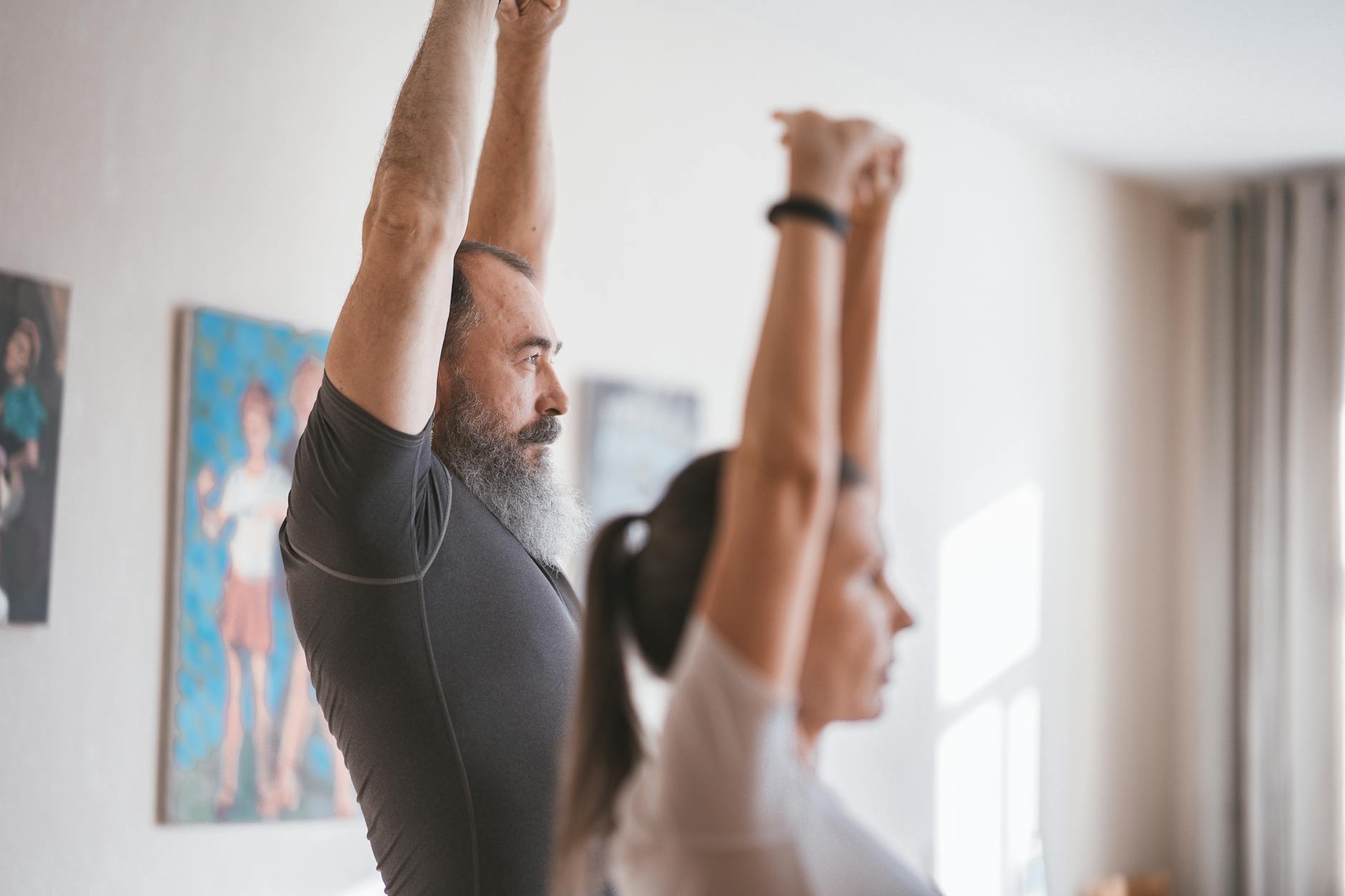
Pilates and Sling Exercises—Specialized Approaches with Proven Advantages
Pilates combines core strengthening with controlled movement patterns, emphasizing breathing and precise muscle activation. Sling exercise—sometimes called suspension training or sling therapy—uses specialized equipment to create an unstable surface that forces the core muscles to work harder to maintain stability. Research demonstrates that sling exercise actually produces superior therapeutic effects compared to conventional training, likely because the instability challenges deep stabilizer muscles more effectively than static positions do. For someone with chronic back pain who has progressed beyond the beginner stage, sling exercises can provide a more sophisticated stimulus for continued improvement.
The practical reality is that specialized approaches like sling exercises typically require either equipment at home or membership at a facility where trained instructors can teach proper technique. A standard physical therapy clinic or gym may offer these options, but they’re not as universally accessible as walking or basic stretching. However, for someone plateauing with conventional exercises or needing a more challenging progression, this specialized equipment can reignite improvement. The advantage is also individual: a person who enjoys equipment-based training might find sling exercises more engaging and sustainable than solo stretching routines.
Building a Sustainable Frequency and Schedule for Long-Term Pain Management
The research makes a compelling point about frequency: exercising four times per week produces notably stronger results than exercising once or twice weekly. This doesn’t mean you need to hit the gym four days a week; it means your total weekly exercise volume matters. Someone might accomplish this with a 30-minute walk on Monday, a yoga session on Wednesday, a stretching routine on Friday, and a Tai Chi practice on Sunday—a mix of different modalities, each chosen from the specialists’ recommended list. The modern view of back pain emphasizes the biopsychosocial model: the spine itself is only part of the picture.
Stress management, adequate sleep, good nutrition, and consistent movement all contribute to pain reduction. Looking forward, specialists increasingly recognize that the goal isn’t just reducing current pain but building resilience and preventing recurrence. The exercises that work are the ones you’ll actually do consistently, which is why individual preference genuinely matters in specialists’ recommendations. Someone who hates water aerobics won’t stick with deep-water running; someone who finds yoga tedious won’t maintain a yoga practice. The evidence shows that whichever modality you choose from the seven categories—as long as you engage it four or more times per week—you’re likely to see meaningful improvement.
Conclusion
The seven exercise approaches specialists recommend for back pain—core stabilization, yoga, Tai Chi, walking, stretching, Pilates, and deep-water running—all have evidence supporting their effectiveness. The strongest results emerge when these exercises are performed at least four times per week, tailored to your individual preferences and capabilities, and understood as part of a larger approach to overall health that includes stress management, sleep quality, and nutrition. You don’t need to do all seven; you need to find the ones that resonate with you and commit to consistent practice.
Starting with your primary care physician or a physical therapist who can assess your specific situation is the first step. They can help identify any contraindications, prescribe appropriate starting intensities, and monitor your progress. Back pain is one of the most common conditions affecting quality of life, but it’s also highly responsive to the right exercise approaches—making the investment in establishing a consistent routine one of the most effective decisions you can make for your long-term health.