Exercises specialists sits at the center of this dementia and brain health question.
Specialists recommend seven primary exercise approaches for back pain rehabilitation: core stabilization exercises, strategic stretching, hip mobility work, low-impact cardio, yoga and Pilates, tai chi, and water-based exercises. These aren’t arbitrary recommendations—they’re grounded in the 2021 American Physical Therapy Association clinical practice guidelines and emerging 2025-2026 research showing that active treatments consistently outperform passive interventions for managing and preventing back pain. If you’re recovering from a back injury or dealing with chronic lower back pain, these evidence-based exercises form the foundation of effective rehabilitation.
The approach to back pain has shifted significantly in recent years. Rather than viewing back pain as purely a structural problem requiring rest, specialists now embrace a biopsychosocial model that recognizes how physical movements, stress levels, sleep quality, and nutritional habits all influence recovery. This means your exercise routine isn’t just about building strength—it’s about understanding how movement patterns, stress management, and lifestyle factors work together. This article explores each of the seven recommended exercise categories, how they work, when to use them, and how to integrate them safely into your recovery plan.
Table of Contents
- What Core Stabilization Exercises Can Actually Achieve for Back Recovery?
- Strategic Stretching That Targets the Root Problems Behind Back Pain
- Hip Mobility and Bridge Variations – The Often-Overlooked Root Cause Specialists Are Emphasizing in 2026
- Low-Impact Cardio—Walking and Cycling for Cardiovascular Support Without Aggravating Pain
- Yoga, Pilates, and Tai Chi—Mind-Body Approaches That Address More Than Just Muscles
- The Non-Negotiable Balance Between Strength and Flexibility in Successful Rehabilitation
- Pain Neuroscience Education and Long-Term Prevention—Understanding Why Rehabilitation Works
- Conclusion
- Frequently Asked Questions
What Core Stabilization Exercises Can Actually Achieve for Back Recovery?
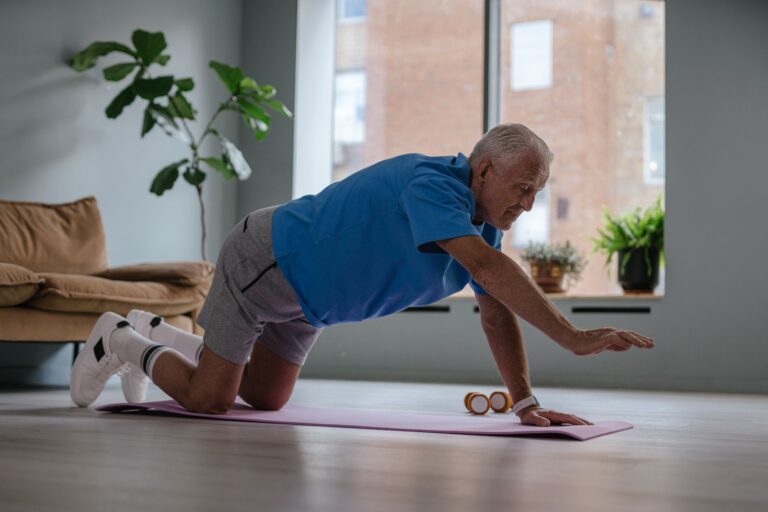
Core stabilization exercises form the foundation of back pain rehabilitation because they rebuild the deep muscles that protect your spine. Bird-Dog exercises, dead bugs, planks, sit-ups, and back arches directly target and strengthen the stabilizer muscles that have become weakened or inhibited by injury or chronic pain. These aren’t flashy exercises, but physical therapists consistently recommend them because they address the root mechanical issue—a spine without adequate muscular support is a spine vulnerable to re-injury.
Bird-Dog exercises work by having you balance on one arm and the opposite leg while maintaining a neutral spine, forcing your core to engage without allowing compensation patterns. Dead bugs accomplish similar stabilization by having you lie on your back and move opposite limbs while keeping your lower back pressed flat. The key difference between these exercises and traditional sit-ups is that sit-ups primarily work the rectus abdominis (the visible “six-pack” muscle) while bird-dogs and dead bugs activate the deeper transverse abdominis and multifidus muscles that actually stabilize your spine during movement. However, traditional sit-ups still have a place because they build overall core endurance—the real progression is doing all three types as part of a comprehensive program rather than relying on any single exercise.

Strategic Stretching That Targets the Root Problems Behind Back Pain
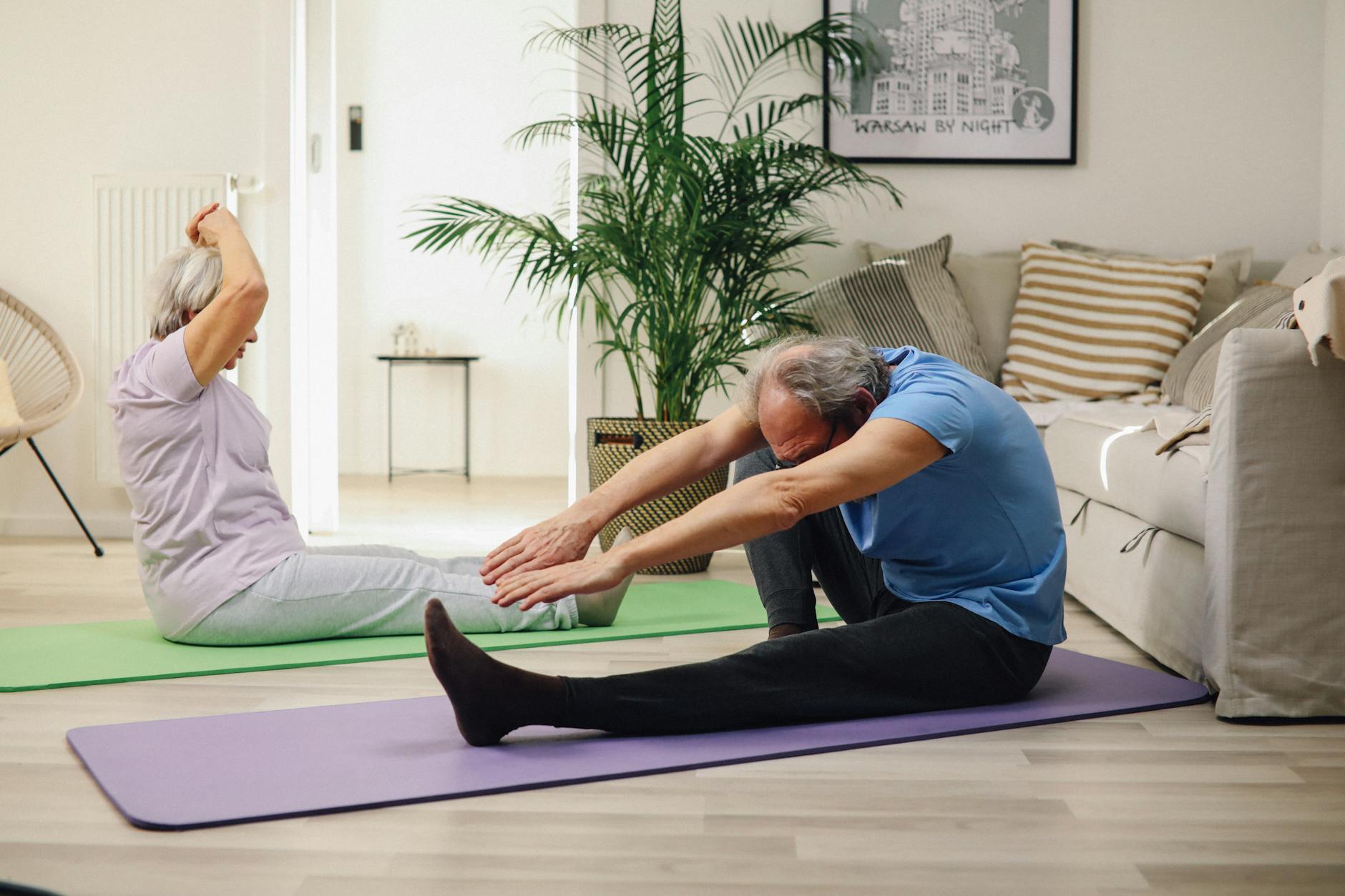
Stretching and flexibility work focuses on two key muscle groups: the hamstrings and gluteal muscles. These muscles connect directly to the pelvis and lower spine, so when they become tight, they force your lower back to overcompensate during movement—essentially pulling your spine out of position and creating chronic stress. A simple hamstring stretch performed lying on your back, pulling both legs toward your chest and holding for at least 30 seconds, can significantly reduce this compensation pattern. The Mayo Clinic research shows this targeted approach to stretching is more effective than generic flexibility work because it addresses the specific anatomical connections that drive back pain.
The stretching category also includes hip flexor and piriformis stretching, since tight hip flexors (from sitting too much) tilt your pelvis forward and exacerbate lower back strain. A limitation of stretching-only programs is that flexibility without strength creates instability—muscles that are too loose and not strong enough to stabilize become liabilities rather than assets. This is why stretching must always be paired with strengthening work, not used as a standalone treatment. Someone who’s extremely flexible but has weak stabilizers is actually at higher risk for back re-injury than someone moderately flexible with strong supporting muscles.
Hip Mobility and Bridge Variations – The Often-Overlooked Root Cause Specialists Are Emphasizing in 2026
Hip tightness and restricted hip mobility are increasingly recognized as a primary driver of lower back pain. When your hips can’t move through their full range of motion, your lower back is forced to compensate—essentially taking on movement that should come from the hip joint itself. This is why specialists in 2026 are placing greater emphasis on hip mobility, and why physical therapists endorse a series of specific hip-focused exercises: hip bridges, donkey kicks, squats, and the dynamic stretches of downward and upward dog from yoga. Hip bridges specifically activate the lower back extensors, erector spinae, gluteal muscles, and hamstrings—essentially retraining your entire posterior chain to function properly together. The bridge progression is significant: a basic bridge teaches hip extension and glute activation, while single-leg bridges or elevated bridges increase the challenge and demand greater stability.
Donkey kicks target the gluteal muscles and hip extensors from a different angle, reinforcing glute activation and hip control. Squats build integrated leg and hip strength that translates to better stability during daily activities and functional movement. The practical benefit is that as your hip mobility improves and your glutes become stronger through these varied exercises, they take over movement that was previously defaulting to your lower back muscles, reducing strain and pain. However, a common mistake is doing bridges with excessive lumbar extension (arching your lower back intensely)—the goal is to extend at the hip and maintain a neutral spine, not to hyperextend through the lower back. Someone with very tight hips might initially struggle with proper form and may need to start with gentler hip mobility work before progressing to loaded bridges or squats.
Low-Impact Cardio—Walking and Cycling for Cardiovascular Support Without Aggravating Pain
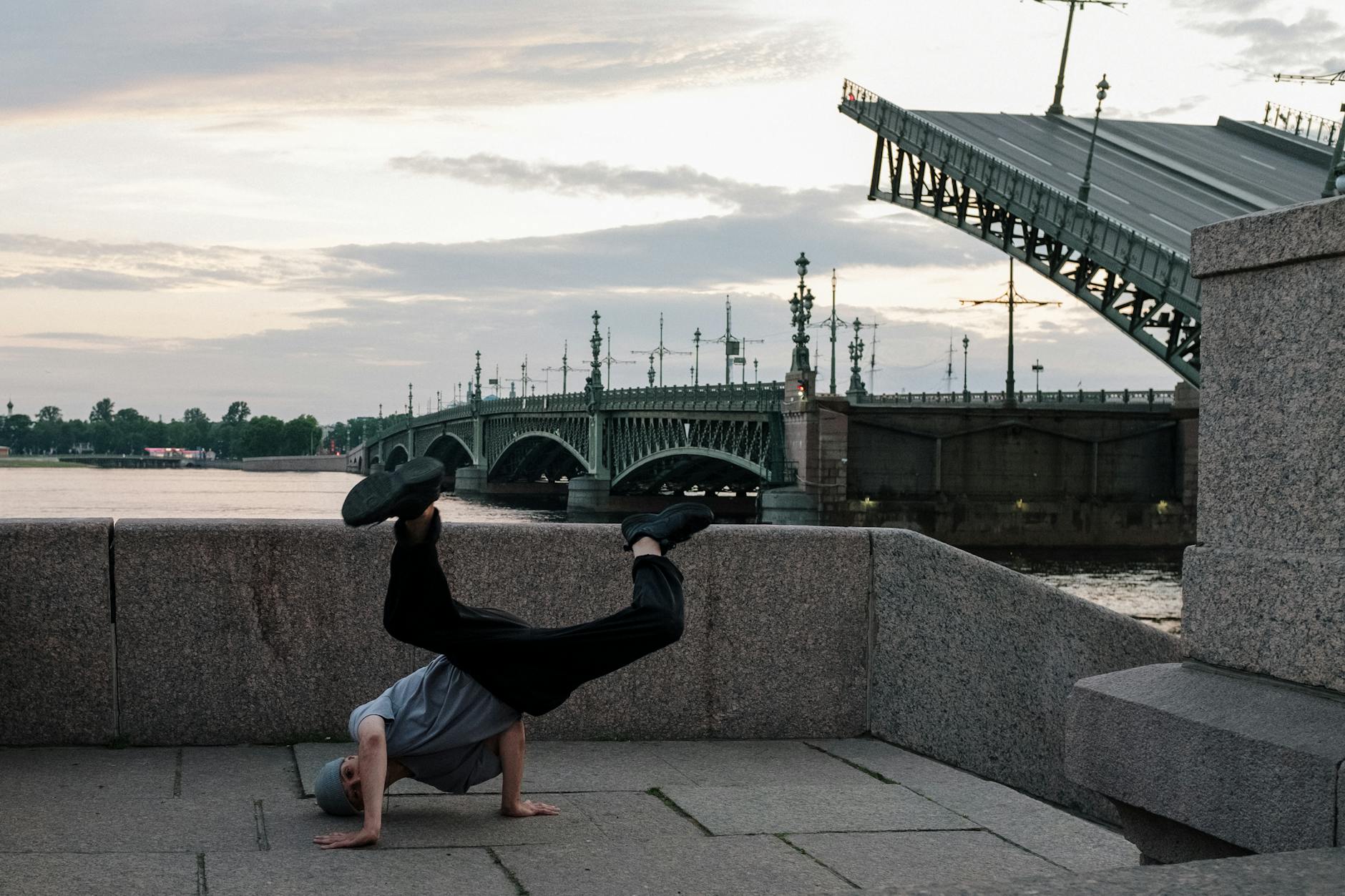
Walking and cycling appear in the evidence-based exercise guidelines not as core stabilization tools but as low-impact cardiovascular activities that support overall recovery. Walking is the most accessible option—most people with back pain can walk comfortably once acute pain settles, and the rhythmic movement actually promotes spinal fluid circulation and gentle motor control practice. The key is maintaining proper posture during walking and avoiding excessive forward trunk lean, which re-introduces the compensation patterns you’re trying to eliminate. Cycling, particularly stationary cycling, offers the cardiovascular benefit with even more spinal support since you’re seated and can control your positioning precisely.
Cycling does carry one consideration: poorly positioned cycling with excessive trunk flexion (bending forward too much) can actually aggravate lower back pain in some people. The solution is adjusting your bike geometry so you’re relatively upright, or starting with a recumbent exercise bike where your back is fully supported. Deep-water running and water-based exercises represent another excellent low-impact option because water supports your body weight while allowing full movement, making it ideal for people in earlier recovery stages when weight-bearing is uncomfortable. The practical tradeoff is that not everyone has access to a pool, so walking or cycling are more accessible alternatives for most people.
Yoga, Pilates, and Tai Chi—Mind-Body Approaches That Address More Than Just Muscles
Yoga and Pilates both emphasize core engagement and controlled movement patterns, which is why they appear in the American Physical Therapy Association’s evidence-based guidelines as effective interventions for chronic lower back pain. These approaches differ from traditional exercise in that they layer in body awareness and movement quality—you’re not just doing repetitions, you’re learning to control your spine throughout movement. Pilates specifically emphasizes the connection between deep core engagement and movement, making it particularly valuable for back rehabilitation because it essentially teaches your nervous system better movement patterns. Tai chi represents a different but equally valid approach to back health.
Rather than isolating specific muscles like a bird-dog does, tai chi develops whole-body coordination, balance, and weight distribution through flowing movements. The research shows tai chi is effective for back pain because it improves proprioception (your body’s awareness of itself in space) and reduces fall risk—critical for older adults with back pain who may be vulnerable to secondary injuries from falling. The integration of these mind-body approaches into your program shouldn’t be either-or with traditional strength training; many people do both core stabilization work and yoga or Pilates in a complementary program. A limitation is that if you choose yoga alone without adequate strengthening, you may improve flexibility and awareness but not build the muscular protection your spine needs.
The Non-Negotiable Balance Between Strength and Flexibility in Successful Rehabilitation
The concept of successful rehabilitation requiring both strength and mobility training is increasingly emphasized in 2026 guidelines. Muscles must possess both qualities to function properly—a muscle that’s strong but tight will create compensation patterns, while a muscle that’s flexible but weak cannot stabilize. This is why a balanced program includes both strengthening (bird-dogs, bridges, planks) and stretching (hamstring stretches, hip flexor stretches) alongside mobility work (dynamic hip stretches, spinal rotation exercises). The integration of these elements creates a nervous system that’s not just stronger but also more capable of moving safely.
In practical terms, this means your rehabilitation shouldn’t follow a linear progression from “stretching phase” to “strengthening phase.” Instead, these should happen in parallel, with emphasis shifting based on your specific limitations. Someone who’s very tight and weak needs both immediately, though the initial focus might be on gentle mobility to restore range of motion. Someone who’s already flexible but weak needs aggressive strengthening. The key assessment question is: do you move better with stretching or with strengthening? The answer should guide your primary focus, though both remain necessary components.
Pain Neuroscience Education and Long-Term Prevention—Understanding Why Rehabilitation Works
A significant recent addition to back pain rehabilitation is pain neuroscience education delivered alongside physical therapy interventions. This means understanding that your pain response isn’t simply the result of tissue damage—it’s a complex process involving your nervous system’s threat detection and protective response. Many people with chronic back pain have healed tissue but persistent pain because their nervous system remains in protective mode. Education about how pain actually works can paradoxically reduce pain levels because it reduces the fear and catastrophizing that perpetuate the pain cycle.
This biopsychosocial understanding also explains why stress, sleep quality, and nutritional status matter in back pain rehabilitation. These aren’t secondary concerns—they directly influence how your nervous system regulates pain and how quickly your body can repair tissue. Long-term prevention therefore involves maintaining all seven exercise categories in some form for life, along with managing stress and sleep, rather than treating back pain rehabilitation as a temporary phase with an endpoint. Most people who successfully prevent back pain recurrence do moderate to high-intensity exercise regularly (not just rehabilitation exercises) combined with ongoing attention to posture and movement patterns, meaning the exercises become part of a sustainable lifestyle rather than a temporary treatment.
Conclusion
The seven specialist-recommended exercises for back pain rehabilitation—core stabilization, stretching, hip mobility work, low-impact cardio, yoga, Pilates, and tai chi—represent a comprehensive approach to rebuilding spinal stability and preventing recurrence. These aren’t presented as options you choose between, but as interconnected components of a complete program. Your specific rehabilitation program should emphasize whichever category addresses your primary limitation (if you’re tight, emphasis on stretching; if you’re weak, emphasis on strengthening) while maintaining all categories at some level.
The modern understanding of back pain rehabilitation goes beyond simple exercise prescription. Successful recovery combines physical exercises with pain neuroscience education, stress management, and lifestyle factors that support your nervous system’s ability to heal and regulate pain. If you’re beginning back pain rehabilitation, start with exercises that feel tolerable, avoid positions that provoke sharp pain (as opposed to muscle fatigue), and progress gradually. Consulting with a physical therapist for an individualized assessment ensures your program matches your specific limitations and goals, rather than following a generic protocol.
Frequently Asked Questions
How long does it typically take to see improvement from back pain exercises?
Most people experience some reduction in pain and improved function within 2-4 weeks of consistent exercise, though continued improvement happens over 8-12 weeks as stabilizer muscles adapt and movement patterns improve. Chronic back pain often requires longer-term consistency—the goal shifts from pain elimination to functional improvement and preventing recurrence.
Can I do all seven exercise types in the same week, or should I alternate between them?
You can and should incorporate all seven categories within a week—perhaps core stabilization 2-3 times weekly, stretching daily, yoga or tai chi 1-2 times weekly, and walking as much as tolerated. The actual distribution depends on your schedule and what feels sustainable long-term, as consistency matters far more than perfect variety.
Are these exercises safe to do if I still have back pain?
Gentle exercises that don’t provoke sharp pain are generally safe and often helpful during recovery. The distinction is between muscle fatigue (acceptable) and sharp pain or nerve-type symptoms (should be avoided). If you’re unsure whether an exercise is appropriate for your specific injury, a physical therapist can provide individual guidance.
Do I need a gym membership or special equipment to do these exercises?
No—most of the core exercises (bird-dogs, dead bugs, planks, bridges) require only your body weight and a floor. Stretching requires nothing. Walking requires no equipment. Yoga and Pilates can be done in your living room with videos. Water-based exercise requires pool access, but that’s the only category that’s equipment-dependent.
If one exercise type feels better than others, can I just focus on that?
While emphasizing your preferred approach is fine, a complete program still needs all categories—strength without flexibility creates compensation patterns, and flexibility without strength creates instability. Your preferred exercise is likely addressing your primary limitation, but other categories address different components of rehabilitation.
Can back pain exercises also help prevent future injuries?
Yes—maintained moderate-intensity exercise, consistent stretching, and ongoing attention to posture and movement patterns are the most effective back pain prevention strategy. Most people who avoid back pain recurrence maintain exercise habits and movement awareness long-term, treating it as preventive maintenance rather than something you stop once pain resolves.
You Might Also Like
- 9 Exercises Specialists Recommend for Spine Stabilization
- 7 Exercises Specialists Use in Pelvic Stability Rehabilitation Programs
- 7 Exercises Specialists Recommend for Strengthening the Lumbar Spine
For more, see NIH MedlinePlus — dementia.