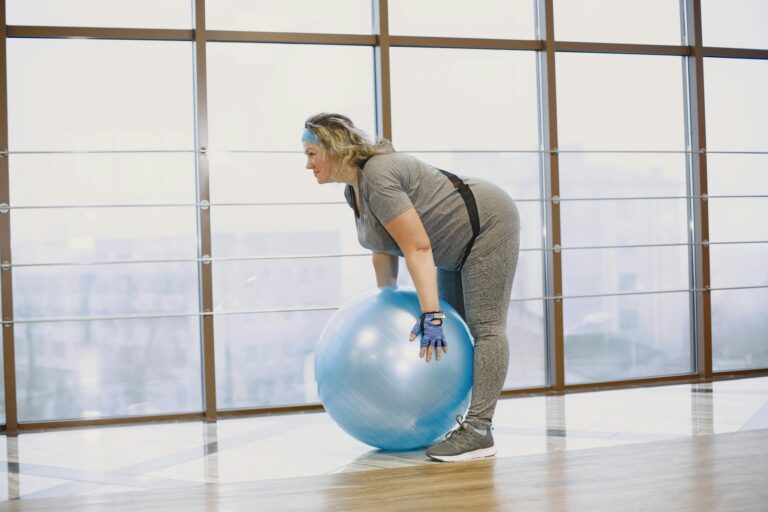
Pelvic stability rehabilitation relies on a core set of exercises that specialists combine into personalized treatment plans, with most sessions including six to eight targeted movements. Rather than a rigid formula of exactly seven exercises, physical therapists work with evidence-based techniques like Kegel contractions performed at different intensities, supine pelvic tilts to engage the core, and therapeutic band work to build strength where it matters most.
The goal is specific: to restore muscle strength and endurance in the pelvic floor, improve bladder and bowel control, reduce lower back pain, and enhance overall pelvic stability—outcomes that become increasingly important as we age and neurological control becomes more fragile. This article explores the exercises specialists actually use, how assessment shapes your individual plan, and what techniques like trigger point therapy and biofeedback contribute to effective rehabilitation. Whether you’re recovering from childbirth, managing age-related changes, or addressing pelvic pain, understanding these approaches helps you work more effectively with your physical therapist.
Table of Contents
- What Exercises Do Specialists Include in Pelvic Floor Rehabilitation?
- The Assessment That Guides Your Exercise Program
- Kegel Variations and Progressive Training Positions
- Trigger Point Therapy, Electrical Stimulation, and Biofeedback Techniques
- Progressive Loading and Movement Integration
- Outcomes and Clinical Benefits
- Finding Qualified Specialists and Realistic Expectations
- Conclusion
What Exercises Do Specialists Include in Pelvic Floor Rehabilitation?
The foundation of pelvic floor rehabilitation starts with Kegel exercises, but specialists don’t treat all Kegels the same. The approach varies: quick contractions that engage fast-twitch muscle fibers, longer 5-10 second holds that build endurance, and variations performed in different positions—lying down, sitting, standing—to challenge stability in ways that match real life. A patient recovering from childbirth might spend weeks mastering the basic hold in supine position before progressing to contractions while standing or walking. The progression matters because pelvic floor muscles respond to increasing demand the same way any muscle does.
Beyond Kegels, supine pelvic tilts directly target the transverse abdominis and core muscles that stabilize the pelvis. This exercise bridges the gap between isolated pelvic floor work and functional movement: lying on your back with knees bent, you gently tilt your pelvis to flatten your lower back against the floor, hold, then release. It’s low-impact but demands coordination between deep abdominal muscles and pelvic floor muscles. Therapeutic bands add resistance training to the mix, allowing specialists to safely load the movement without excess impact—critical for patients with joint pain or mobility limitations. Some practitioners also incorporate modified lunges and squats with Kegel contractions, turning these into compound movements that build strength while maintaining neuromuscular control.

The Assessment That Guides Your Exercise Program
Before any exercise program begins, your first appointment includes a comprehensive evaluation that shapes everything that follows. A specialist assesses muscle strength and endurance, tests sensation to make sure nerve pathways work properly, and identifies myofascial trigger points—tight bands in muscle tissue that refer pain elsewhere. This assessment may include internal and external examination, which feels invasive but provides essential information: Can your muscles contract and relax fully, or are they stuck in partial contraction? Do trigger points exist that would benefit from direct therapy before strengthening begins? This initial picture changes how specialists prescribe exercise.
Someone with hypertonic (overactive) pelvic floor muscles needs relaxation work and stretching before intensive strengthening, while someone with weakness needs progressive loading. However, this assessment takes skill and training—board-certified specialists in women’s health or pelvic rehabilitation complete additional fellowship training beyond general physical therapy credentials. Without proper assessment, an exercise program can worsen symptoms; for example, aggressively performing Kegels on an already-tight pelvic floor tightens it further, increasing pain and dysfunction. This is why starting with a qualified specialist matters more than starting immediately.
Kegel Variations and Progressive Training Positions
Kegel exercises form the core of most rehabilitation plans, but the progression is deliberate and specific. Early in treatment, patients practice basic contractions lying down—the easiest position where gravity isn’t fighting the effort. The goal is simple: contract the pelvic floor muscles (the sensation is similar to stopping urine flow midstream, though practicing during urination isn’t recommended as it interferes with complete bladder emptying), hold for 5-10 seconds, then relax completely. Most patients begin with 8-10 repetitions, rest, then repeat a second set. The hold duration and repetition count increase gradually as endurance improves.
As strength builds, positions become more challenging: sitting, standing, and eventually during functional activities like walking or climbing stairs. Some specialists incorporate Kegels during dynamic movements like lunges and squats, where the pelvic floor must maintain stability while the body moves. A patient might practice a partial lunge while contracting the pelvic floor, then deepen the lunge as strength improves. This mimics real-world demands—your pelvic floor needs to work while you’re active, not just while lying still. The progression from supine to standing to dynamic movement typically unfolds over several weeks or months, depending on the patient’s starting point and rate of recovery.
Trigger Point Therapy, Electrical Stimulation, and Biofeedback Techniques
Pelvic floor muscles hold tension differently than you might expect. Myofascial trigger points—tight spots within the muscle—can develop from childbirth, prolonged sitting, or chronic tension, and these spots refer pain to other areas, sometimes creating the false impression of separate problems. Trigger point therapy involves direct pressure or gentle manipulation of these tight bands to release tension. A specialist might use their fingers (if internal) or external manipulation to address these spots, often combining the work with stretching afterward. This isn’t a comfortable process in the moment, but many patients report significant relief once the trigger points release.
Electrical stimulation and EMG biofeedback represent different approaches to the same challenge: helping muscles understand what correct function feels like. Electrical stimulation uses gentle current to activate the pelvic floor muscles, essentially exercising them without requiring conscious effort—useful for patients who struggle to find or engage the muscles initially. EMG biofeedback goes further: sensors detect muscle activation and display it visually, letting patients see in real-time whether they’re contracting, relaxing, or holding tension. This visual feedback accelerates learning because it immediately shows whether your effort is producing the desired result. For patients with poor mind-muscle connection—common in pelvic floor dysfunction—biofeedback is often transformative. However, these modalities work best as tools during rehabilitation, not replacements for active exercise; once you’ve learned proper muscle control through biofeedback, the strength comes from your own effort.
Progressive Loading and Movement Integration
As basic exercises become controlled and easy, specialists gradually increase difficulty through load and complexity. Therapeutic band work introduces resistance: placing a loop band around the thighs and pressing outward against it while performing pelvic floor contractions, for example, increases the demand on stabilizing muscles. This bridges toward functional strength—the kind that actually helps during daily life, not just during focused exercises. Some patients progress to light weight training under specialist guidance, using proper pelvic floor engagement during compound movements to maintain stability as they build overall strength.
A common mistake is advancing too quickly through progressions, which can cause symptoms to flare or even create new dysfunction. A patient who moves from exercises in a supine position to dynamic standing movements before achieving control in mid-level positions often experiences increased incontinence or pain rather than improvement. The progression must match your body’s actual readiness, not your impatience. This is why working with a specialist beats following a generic online program: they observe your movement, test your stability, and adjust progression in real-time. The other consideration is that rest and recovery matter—pelvic floor muscles adapt to training stress like any muscle, and inadequate recovery impairs progress.

Outcomes and Clinical Benefits
Research demonstrates that pelvic floor therapy produces measurable improvements in bladder and bowel control, decreased lower back pain, faster postpartum recovery, and better sexual function. These aren’t marginal gains; women with significant incontinence or pelvic pain often report dramatic quality-of-life improvements within 6-12 weeks of consistent therapy. For people with dementia or age-related cognitive decline, pelvic floor dysfunction often accompanies other changes, and addressing it contributes meaningfully to dignity, independence, and willingness to remain socially engaged. Someone no longer worried about incontinence during outings or activities is more likely to maintain social connections and participate in physical activity.
The timeline for improvement varies. Some patients notice changes within weeks; others need 8-12 weeks or longer, particularly if dysfunction has been present for years. Consistency matters enormously—exercises prescribed two or three times weekly show results, but those done five or six days weekly typically progress faster. This isn’t mysterious; it’s basic muscle physiology. However, more frequent exercise doesn’t mean longer sessions; 10-15 minutes of focused, correct work most days outperforms 45 minutes of distracted or incorrectly performed exercises once weekly.
Finding Qualified Specialists and Realistic Expectations
The explosion of pelvic floor awareness has led to increased interest among physical therapists, which is positive overall but creates variability in training level. Specialists with the highest credentials have completed fellowship training and board certification in women’s health, pelvic rehabilitation, or related disciplines—credentials worth verifying before booking appointments. General physical therapists can certainly help, but someone with advanced pelvic-specific training brings deeper expertise in assessment and modification. NPR’s 2025 guidance on pelvic floor therapy emphasized the importance of proper technique and common mistakes, highlighting that instructions matter: “power peeing” (intentionally stopping urination midstream frequently) actually worsens pelvic floor function, yet remains a common recommendation.
Looking forward, pelvic floor health is increasingly recognized as essential to overall wellbeing, particularly in aging populations. Specialists continue refining techniques and integration with broader movement training. The evidence supports an integrated approach: targeted pelvic floor exercises combined with core stability work, addressing myofascial restrictions, and progressive movement training outperforms isolated pelvic floor work alone. As dementia and age-related conditions affect neurological control, maintaining pelvic floor function through appropriate exercise becomes preventive medicine—addressing dysfunction before it significantly impacts quality of life.
Conclusion
Pelvic stability rehabilitation doesn’t follow a rigid formula of exactly seven exercises because bodies differ and dysfunction varies. Instead, specialists combine evidence-based techniques—Kegel variations at different intensities and positions, pelvic tilts, therapeutic band work, trigger point release, and biofeedback—into individualized programs shaped by thorough assessment. The common thread across all effective programs is progression based on genuine strength gains and movement control, not arbitrary timelines.
If you’re experiencing pelvic dysfunction or concerned about age-related changes affecting bladder and bowel control, a consultation with a board-certified pelvic floor specialist provides direction. The assessment itself yields valuable information, even if you later pursue exercises independently. For many people, particularly those managing dementia-related changes or postpartum recovery, pelvic floor rehabilitation offers measurable quality-of-life improvements that extend beyond symptom relief into restored confidence and social participation.