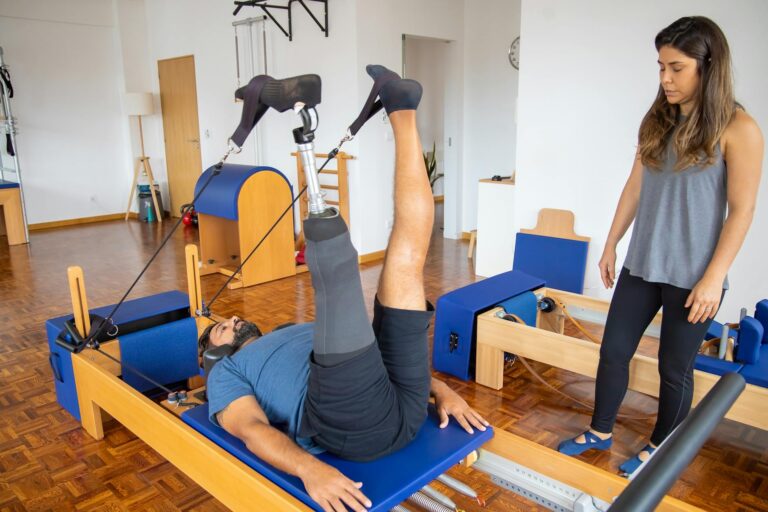
If you’re experiencing chronic back pain, ten specific signs may indicate that a herniated disc is the underlying cause. A herniated disc—when the inner gel of a spinal disc pushes through a tear in the outer layer—can compress nearby nerves and produce a distinctive pattern of symptoms that extend far beyond simple back soreness. For example, a 52-year-old man might start with lower back pain over a few weeks, then notice sharp, electric pain shooting down one leg, followed by numbness in his foot and subtle weakness when climbing stairs. This progression is telling: the symptoms radiate outward from the spine because the herniated material is physically irritating the nerves that travel through the lower back.
This article explores all ten signs that suggest a herniated disc may be responsible for your pain, how to distinguish them from other conditions, and when medical evaluation becomes urgent. The key challenge with herniated discs is that they often mimic other back problems, making self-diagnosis difficult. However, the presence of certain combinations of symptoms—particularly radiating pain paired with numbness or weakness—significantly increases the likelihood that a disc herniation, rather than muscular strain or other issues, is driving your chronic pain. Understanding these ten signs can help you have a more informed conversation with your healthcare provider and ensure you receive appropriate imaging and treatment.
Table of Contents
- How Localized Back Pain and Stiffness Signal a Herniated Disc
- Radiating Pain Down the Buttocks, Thigh, and Calf
- Sharp, Burning, or Electric Pain as a Red Flag Symptom
- Numbness and Tingling Sensations Indicating Ongoing Nerve Irritation
- Muscle Weakness as Evidence of Nerve Damage
- Loss of Mobility and Reduced Range of Motion
- Cauda Equina Syndrome—When Back Pain Becomes a Medical Emergency
- Extreme Leg Weakness and Progressive Neurological Symptoms
- Understanding Who Develops Herniated Discs and Why
- Conclusion
How Localized Back Pain and Stiffness Signal a Herniated Disc
The most common starting point is localized back pain directly over the affected disc, usually in the lower back. According to Mayo Clinic, low back pain is the first symptom in most cases of herniated discs, localized over the injured area and persisting either continuously or intermittently. This pain often feels like a deep ache or soreness that may improve with rest but returns with activity.
The stiffness associated with herniated discs typically worsens in the morning or after prolonged sitting, because gravity and pressure changes affect the disc’s position throughout the day. However, localized back pain alone is not distinctive enough to confirm a herniated disc; it’s the most common cause of back pain but also occurs with muscle strains, arthritis, and other spinal conditions. The differentiating factor becomes apparent when this localized pain combines with the radiating symptoms described next. If your back pain is accompanied by pain that travels down your leg or arm—beyond the immediate back area—you’re moving into the territory where nerve compression from a herniated disc becomes more likely.

Radiating Pain Down the Buttocks, Thigh, and Calf
One of the hallmark signs that a herniated disc is causing problems is pain that radiates away from the spine, following the path of a compressed nerve. For lower back herniated discs, Johns Hopkins Medicine notes that pain typically radiates along the sciatic nerve, causing moderate to severe pain through the hip, buttocks, and down the back of one leg. This is sciatica—not a diagnosis itself, but rather a symptom pattern that strongly suggests nerve compression. The pain often starts in the lower back or buttock and extends progressively down the thigh and into the calf.
What makes this radiating pattern significant is its one-sided nature; the pain typically affects one leg, not both. A person might sit on their left buttock and feel discomfort all the way down the left leg to the foot, while the right side remains unaffected. This unilateral distribution reflects the fact that the herniated disc is pressing on one specific nerve root, not affecting the spine as a whole. The intensity can vary from a dull ache to sharp, debilitating pain that makes standing or walking difficult.
Sharp, Burning, or Electric Pain as a Red Flag Symptom
Beyond simple aching, many people with herniated discs describe sharp, burning, or electric sensations shooting down the arm or leg. Cleveland Clinic identifies this as a hallmark sign of nerve compression from a herniated disc, with sensations often described as sharp, burning, or electric in nature. These distinctive pain qualities matter because they tell you that nerve tissue itself is being irritated or compressed, not just surrounding muscles or soft tissues. Someone might describe it as “lightning bolts” or “pins and needles” or “as if someone is stabbing me with a hot knife.” The electric or burning quality is the key differentiator here.
Muscle soreness feels like a dull, diffuse ache. Nerve pain from a herniated disc, by contrast, feels acute and travels in specific paths. This shooting pain may come and go, intensifying with certain movements—such as bending forward, coughing, or straining—because these actions increase pressure within the spinal canal and worsen nerve compression. The intermittent nature can make diagnosis tricky; someone might have an episode of excruciating pain, followed by days of relative comfort, leading them to delay seeking medical evaluation.

Numbness and Tingling Sensations Indicating Ongoing Nerve Irritation
As a herniated disc continuously irritates a nerve, many people develop numbness and tingling—the “pins-and-needles” sensation familiar to anyone whose leg has “fallen asleep.” Mayo Clinic identifies these sensations as common neurological symptoms, with pins-and-needles occurring in one leg or arm due to nerve compression. This numbness is not the temporary kind from positional pressure; it persists because the nerve is being chronically compressed by disc material. The distribution of numbness follows specific nerve pathways and can help pinpoint which disc is herniated.
A disc herniation at the L5-S1 level typically causes numbness on the outer foot and heel, while an L4-L5 herniation affects the top of the foot and shin. Over time, this numbness can expand or become more pronounced if the compression worsens. A limitation worth noting: some people experience numbness without pain, or pain without numbness, depending on whether the herniated disc is primarily compressing sensory or motor nerves. This variation is why some people with confirmed herniated discs don’t fit the “textbook” symptom presentation.
Muscle Weakness as Evidence of Nerve Damage
When a herniated disc compresses a nerve for an extended period, the muscles that nerve controls can weaken. Cleveland Clinic notes that a herniated lumbar disc can cause weakness in leg and foot muscles, while a cervical disc can weaken shoulder and arm muscles. This weakness is progressive; it doesn’t develop overnight, but rather emerges as the nerve compression persists. Someone might notice difficulty lifting their foot when walking, weakness in the legs when climbing stairs, or difficulty gripping with their hand—depending on the location of the herniation.
This sign is particularly important because muscle weakness indicates that the nerve damage may be advancing. Unlike pain, which is subjective and variable, weakness is objective; you either can or cannot lift your foot against resistance. If you’re experiencing weakness alongside pain and numbness, this combination suggests the herniation is causing significant nerve compression. It’s also a sign that medical evaluation should happen sooner rather than later, because prolonged nerve compression can lead to permanent muscle atrophy and loss of function. However, mild weakness can sometimes resolve even without treatment as inflammation decreases and the disc reabsorbs, so weakness alone doesn’t always signal a permanent problem.

Loss of Mobility and Reduced Range of Motion
A herniated disc often causes protective muscle tightness and reduced flexibility, so that forward bending, twisting, or certain movements trigger pain. The OrthoInfo organization (American Academy of Orthopaedic Surgeons) notes that persistent symptoms lasting more than a few weeks may indicate a need for care to prevent chronic pain and long-term nerve damage. Reduced range of motion often appears as stiffness that limits how far someone can bend forward, twist, or recline—movements that change the pressure on the affected disc.
Unlike acute muscle strain, which typically improves within days or weeks, the stiffness from a herniated disc can persist for months if left untreated. Daily activities like tying shoes, getting in and out of a car, or picking objects off the ground may become challenging or painful. The psychological impact of this loss of mobility can be significant; many people with herniated discs describe a shift from an active lifestyle to a restricted one. It’s worth noting that complete immobilization—while sometimes recommended for a brief period—is not the best long-term strategy for most herniated discs, as some movement and controlled activity actually promote healing better than prolonged bed rest.
Cauda Equina Syndrome—When Back Pain Becomes a Medical Emergency
Among all the signs of a herniated disc, one demands immediate medical attention: loss of bladder or bowel control. Mayo Clinic identifies this as a rare but serious sign of cauda equina syndrome, a condition in which severe nerve compression at the base of the spinal cord occurs, requiring immediate medical attention. The cauda equina is a bundle of nerves at the very bottom of the spinal cord that controls sensation and function in the legs and pelvic organs. When a large herniation compresses all these nerves at once, the result can be catastrophic: inability to urinate or have bowel movements, or loss of sensation in the saddle area (the region where a saddle touches a rider).
This is not a sign to interpret cautiously or monitor at home. Medical literature emphasizes that cauda equina syndrome is a surgical emergency; the longer the compression persists, the greater the risk of permanent paralysis or loss of bladder and bowel function. Other emergency signs include severe progressive leg weakness, complete leg paralysis, or sudden loss of sensation in both legs simultaneously. If you experience any of these symptoms, seek emergency medical care immediately rather than scheduling a routine appointment. These signs represent fewer than 5% of herniated disc cases, but when they do occur, the window for surgical intervention to prevent permanent damage is narrow—often within 24-48 hours.
Extreme Leg Weakness and Progressive Neurological Symptoms
Beyond the mild or moderate weakness described earlier, progressive deterioration of strength or sensation is a warning sign that the herniation is worsening. Cleveland Clinic emphasizes that worsening numbness, weakness, or loss of mobility indicates a risk of nerve damage. If your symptoms are steadily getting worse over days or weeks—if weakness that started as a subtle drag in one foot is now making it difficult to lift your leg at all, or if numbness is expanding into areas that were previously unaffected—this suggests the herniation is either growing or the inflammation around it is increasing pressure on the nerve.
Progressive symptoms typically warrant more aggressive treatment than stable or slowly improving symptoms. While many herniated discs resolve naturally without surgery, those with progressive neurological decline may benefit from earlier intervention to prevent permanent nerve damage. The statistics here are encouraging: StatPearls reports that 85-90% of patients with acute herniated disc experience symptom relief within 6-12 weeks without treatment, with 60-90% resolving spontaneously. However, this natural recovery rate applies mainly to people with stable or improving symptoms; those with progressive deterioration fall outside this favorable group and may require surgical or other interventions.
Understanding Who Develops Herniated Discs and Why
Herniated discs don’t strike randomly; certain factors increase the risk significantly. According to StatPearls, the average age of onset is 41 years, with the condition occurring at a 2:1 ratio more commonly in men than women. The peak incidence of 5-20 cases per 1,000 adults annually, and a prevalence of 1-3% of the population, shows that while herniated discs are common, they’re not universal.
Risk factors include obesity, physical labor or high-stress occupations, diabetes, high cholesterol, and a history of smoking. The location of the herniation also matters: StatPearls notes that the L4-L5 and L5-S1 disc levels account for approximately 95% of all cases of lower back herniated discs. These lower lumbar levels bear the most weight and experience the greatest stress during daily activities, making them vulnerable to disc degeneration and rupture. Understanding your risk factors and the natural history of the condition—that most people will improve naturally—can help you approach treatment with realistic expectations.
Conclusion
The ten signs discussed here—localized back pain, radiating pain down the leg, sharp or electric pain, numbness and tingling, muscle weakness, loss of mobility, loss of bladder or bowel control, progressive neurological symptoms, age and risk factors, and knowledge of most common affected levels—form a constellation of clues that suggest a herniated disc may be causing your chronic back pain. No single sign is diagnostic on its own; instead, the combination of symptoms, their pattern, and their progression provide the clinical picture your healthcare provider needs to recommend imaging and appropriate treatment. If you’re experiencing several of these signs, the first step is to seek evaluation from your primary care physician or a spine specialist.
Most herniated discs—even those causing significant initial pain—improve substantially within weeks to months as inflammation decreases and the body gradually reabsorbs the protruding disc material. However, progressive weakness or loss of bladder or bowel function require emergency evaluation. Understanding these ten signs empowers you to advocate for appropriate care and recognize when your symptoms warrant urgent attention.