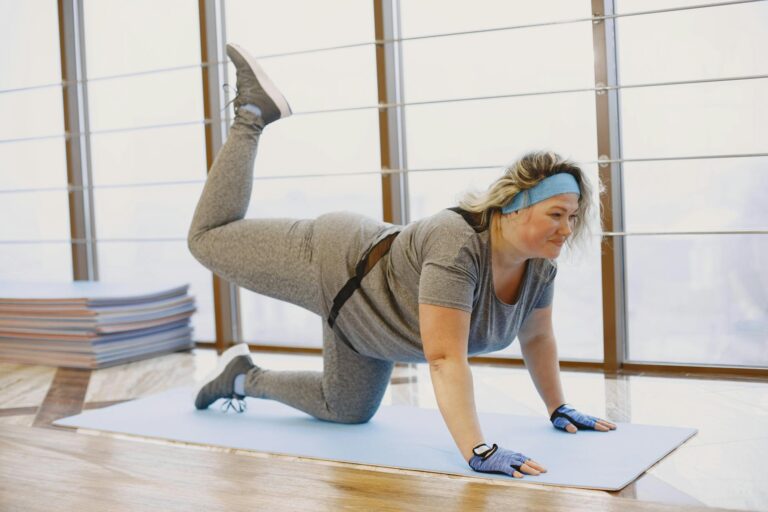
Nine exercises can help strengthen the muscles that support your spine, with the most effective ones being the “Big Three” core movements developed by spinal biomechanics experts: curl-ups, side planks, and bird-dog exercises. These movements target the deep abdominal and back muscles that keep your spine aligned during daily activities like standing, walking, bending, and lifting. A 45-year-old might notice that strengthening these supporting muscles reduces lower back pain during gardening or helps them sit more comfortably at a desk—benefits that extend well into older adulthood.
This article explores evidence-based spine-strengthening exercises, how to perform them safely, the recommended frequency and duration, and why these movements matter particularly for older adults and those managing cognitive health alongside physical wellness. The good news is that many cases of chronic back pain can be effectively managed—and often prevented—through targeted, evidence-based exercise programs. You don’t need expensive equipment or a gym membership; most of these exercises can be done at home with just a mat. However, consulting your healthcare team before beginning any new exercise routine is essential, especially if you have existing back pain or prior spine injury.
Table of Contents
- What Are the “Big Three” Core Exercises?
- Building on the Foundation with Additional Strengthening Exercises
- How These Exercises Support Spine Health
- Recommended Frequency and Program Duration
- Form, Safety, and When to Stop
- The Often-Overlooked Role of Stretching
- Sustaining Spine Health Through the Decades
- Conclusion
What Are the “Big Three” Core Exercises?
The foundation of spine-strengthening programs centers on three core movements that spinal biomechanics experts, including Dr. Stuart McGill at the University of Waterloo, recommend for building lasting spinal stability. The first is curl-ups, which engage your abdominal muscles without the strain of full sit-ups. Bird-dog exercises, performed by extending your opposite arm and leg while on all fours, strengthen the back extensor muscles that attach to the back of your spine and enable standing, bending, and lifting.
Side planks work your oblique muscles, the deep core muscles along your sides that support spinal alignment and stability. These three exercises are called the “Big Three” because research shows they provide the most direct benefit for spinal support without excessive strain. Unlike some other exercises that isolate single muscles, the Big Three work together as an integrated system, much like how the deep abdominal muscles, back extensors, and lateral stabilizers function during real-world movements. For someone recovering from back pain or trying to prevent it, these are typically the first exercises to master.

Building on the Foundation with Additional Strengthening Exercises
Beyond the Big Three, several other exercises extend your spine-strengthening program. The bridge exercise strengthens your back, buttocks, and hamstring muscles that support the spine from below, helping maintain proper pelvic alignment. The standard plank exercise works your abdominals, arms, shoulders, and hip flexors—strong abdominal muscles are particularly important because they help support the spine and keep your hips properly aligned during movement. The cat-cow pose, a traditional yoga movement, improves spine flexibility by alternating between arching and relaxing the spine, which keeps joints mobile and reduces stiffness.
However, adding exercises without proper progression can lead to frustration or injury. If you try all nine exercises at once as a beginner, you risk fatigue and poor form, which defeats the purpose. Most experts recommend starting with the Big Three and gradually adding other movements as your core strength improves. A typical progression might begin with modified bird-dogs and curl-ups for two weeks, then add the side plank and bridge, and finally include the full plank and cat-cow movements once your foundation is solid.
How These Exercises Support Spine Health
Your spine doesn’t work in isolation—it’s supported by a corset of muscles that stabilize it during every movement. The deep abdominal muscles, back extensors, obliques, and hip muscles form an integrated support system. When these muscles are weak, your spine must work harder to maintain alignment, leading to fatigue, pain, and increased injury risk. Strengthening this system through targeted exercises redistributes force more evenly across your spine, reducing stress on discs and joints.
This is particularly important for older adults and those with cognitive health concerns. As we age, muscle loss naturally accelerates, but targeted exercise slows this decline significantly. Someone in their 60s or 70s who maintains core strength experiences better balance, fewer falls, and greater independence in daily activities. For those managing dementia or other cognitive conditions, maintaining spinal strength supports better posture, which has been linked to improved breathing and circulation—factors that support overall brain health and wellbeing.

Recommended Frequency and Program Duration
To see meaningful improvements in spinal strength, perform these exercises two to three days per week. This frequency allows your muscles adequate time to recover between sessions while building strength consistently. The recommended duration for a spine conditioning program is four to six weeks unless your doctor or physical therapist directs otherwise. After six weeks, most people notice reduced pain, improved posture, and better functional capacity in daily activities.
The key difference between exercising two days per week versus three days per week often comes down to your schedule and recovery capacity. Three days per week typically produces faster results, but two days per week with proper form and progression still yields substantial benefits and is more sustainable for many people. If you miss a session, don’t try to make it up by exercising two days in a row; instead, simply resume your regular schedule. Consistency matters more than intensity in spine conditioning, so a realistic program you’ll stick with beats an ambitious program you abandon.
Form, Safety, and When to Stop
Performing these exercises with proper form is more important than doing more repetitions or longer holds. Poor form not only reduces effectiveness but can reinforce faulty movement patterns and even cause injury. This is why consulting with a physical therapist or certified trainer for at least one session can be valuable—they can assess your form and provide corrections specific to your body. If you experience sharp pain (not just muscle fatigue) during any exercise, stop immediately and consult your healthcare provider.
Common mistakes include holding your breath during exercises, which increases intracranial pressure, and progressing too quickly to harder variations. If a side plank feels too difficult, start by holding the position for ten seconds and gradually increase duration rather than jumping to a 30-second hold. Some people also make the mistake of overarching their lower back during planks or bridge exercises; the goal is neutral spine alignment, not exaggerated extension. If you have existing conditions like herniated discs or spinal stenosis, certain exercises may need modification—another reason professional guidance is essential before starting.

The Often-Overlooked Role of Stretching
Strengthening is only half the equation; stretching muscles after your strengthening routine helps restore range of motion, prevent injury, and reduce muscle soreness while keeping muscles flexible. After completing your core exercises, spend five to ten minutes gently stretching your hip flexors, hamstrings, calves, and chest. This post-exercise stretching is particularly important for older adults, whose flexibility naturally declines with age and whose connective tissues need gentle, consistent mobility work.
A practical post-exercise routine might include holding each stretch for 20 to 30 seconds, breathing slowly and relaxing deeper into the stretch with each exhale. Unlike the strengthening portion of your routine, you can stretch daily without needing recovery days. Many people find that combining stretching with deep breathing creates a meditative component to exercise, particularly valuable for those managing stress or cognitive concerns.
Sustaining Spine Health Through the Decades
Spine health isn’t a four-week project followed by maintenance—it’s an ongoing practice that evolves throughout your life. The muscles you build now create a foundation, but they need regular use to stay strong. Someone who completes a six-week spine conditioning program and then stops typically loses a significant portion of their gains within three months.
However, even brief maintenance workouts—just 10 to 15 minutes of core exercises twice per week—preserve most of the strength you’ve built. For older adults and those navigating cognitive health challenges, consistency in physical activity connects to broader wellness. Regular spine-strengthening exercise improves posture, which supports breathing and circulation; it maintains balance and reduces fall risk; and it provides a sense of agency and control over one’s physical health. As aging progresses, staying strong enough to maintain independence in daily activities becomes increasingly precious—and it begins with the intentional maintenance of the muscles supporting your spine.
Conclusion
The nine exercises that strengthen spine-supporting muscles work best when approached systematically, starting with the evidence-based Big Three movements (curl-ups, side planks, and bird-dog exercises) and progressively adding complementary exercises like bridges, planks, and cat-cow poses. Performing these exercises two to three times per week for at least four to six weeks produces measurable improvements in pain, strength, and functional capacity. The investment is modest—no special equipment needed—but the benefits extend far beyond pain relief, supporting better posture, balance, and independence throughout life.
Your next step is to consult with your healthcare provider or a physical therapist to ensure these exercises are appropriate for your specific situation, especially if you have existing pain or prior spinal injury. Once you have clearance, consider working with a professional for at least one session to confirm your form. Then commit to a structured four to six-week program, knowing that consistency matters more than intensity and that maintaining spinal strength is a gift you give to your future self.