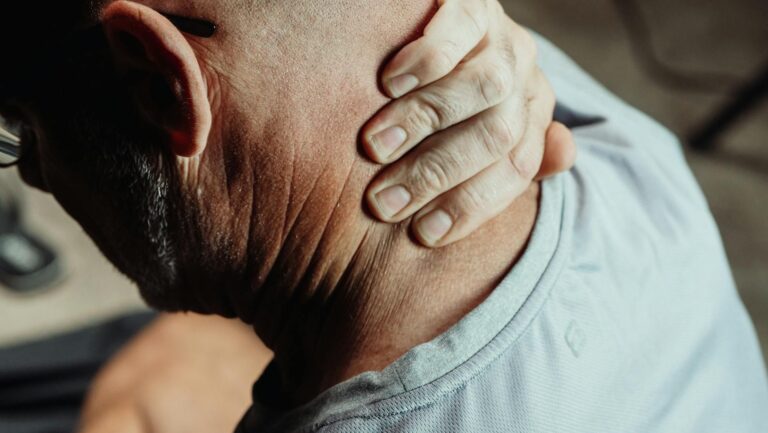
Spine pain most commonly stems from six root causes: muscle strains and ligament sprains, herniated discs, degenerative disc disease, spinal stenosis, osteoarthritis of the spine, and traumatic injuries or fractures. Understanding which of these is behind your discomfort matters because treatment for a muscle strain looks nothing like treatment for spinal stenosis, and misidentifying the source can lead to months of ineffective care. Consider someone like a 62-year-old retired teacher who assumes her chronic lower back ache is just “getting older” when it actually turns out to be lumbar spinal stenosis, a condition that responds well to targeted physical therapy and, in some cases, surgical intervention. The scale of this problem is staggering. According to the World Health Organization and the Global Burden of Disease Study, 619 million people worldwide experienced low back pain in 2020, making it the leading cause of disability globally.
In the United States alone, back pain costs over $100 billion per year in healthcare spending. Between 50 and 80 percent of adults will deal with at least one significant episode of back pain in their lifetime, and 15 to 20 percent experience it in any given year. Women are disproportionately affected, with 31.6 percent of females reporting low back pain compared to 28 percent of males. This article walks through each of the six major causes of spine pain in detail, explains how they differ from one another, identifies who is most at risk, and outlines when you should be concerned enough to seek medical evaluation. For those caring for someone with dementia or cognitive decline, spine pain deserves particular attention because a person who cannot clearly communicate their symptoms may suffer silently with a treatable condition.
Table of Contents
- What Are the Most Common Causes of Spine Pain and How Do They Differ?
- Herniated Discs and Degenerative Disc Disease Explained
- How Spinal Stenosis Creates Pain That Worsens With Walking
- Osteoarthritis of the Spine Versus Normal Aging
- When Spine Pain Signals Something More Serious
- Key Risk Factors That Make Spine Pain More Likely
- The Future of Spine Pain Management in Aging Populations
- Conclusion
- Frequently Asked Questions
What Are the Most Common Causes of Spine Pain and How Do They Differ?
The single most frequent cause of spine pain is mechanical in nature. Approximately 90 percent of all back pain cases arise from how the spine, muscles, and joints work together, according to data compiled in StatPearls. Muscle strains and ligament sprains top the list. A strain involves torn or pulled muscles or tendons, while a sprain means stretched or torn ligaments. These injuries typically result from heavy lifting, sudden awkward movements, or simply being physically deconditioned. The weekend gardener who spends five hours bent over a flower bed after months of inactivity is a textbook example. But mechanical pain from soft tissue is only part of the picture. The remaining causes involve structural changes to the spine itself: discs that herniate or degenerate, a spinal canal that narrows, joints that wear down with arthritis, and bones that fracture from trauma or osteoporosis.
What separates these conditions from a simple muscle pull is their timeline and trajectory. A muscle strain usually resolves within days to weeks with rest and basic care. A herniated disc may take longer but often improves without surgery. Degenerative disc disease and spinal stenosis, on the other hand, tend to be progressive conditions that require ongoing management. The distinction matters practically. If you treat degenerative disc disease with the same approach you would use for a pulled muscle, namely rest and wait, you may miss the window for interventions that preserve mobility and quality of life. Conversely, rushing to imaging and aggressive treatment for what turns out to be a simple strain leads to unnecessary expense and anxiety. Age is one of the most reliable clues: herniated discs are more common in younger adults, while stenosis, osteoarthritis, and compression fractures cluster in older populations.

Herniated Discs and Degenerative Disc Disease Explained
A herniated disc occurs when the soft, gel-like inner material of a spinal disc pushes through its tougher outer casing and presses on nearby nerves. The result can range from dull lower back pain to sharp, shooting pain down the leg, a pattern known as sciatica. Herniated discs tend to appear in younger adults, often in people between their 30s and 50s, and are frequently triggered by a specific event like bending and twisting while lifting something heavy. Many people describe the pain as electric or burning, and it often worsens with sitting, coughing, or sneezing. Degenerative disc disease is a different process, though the two can overlap. As people age, the intervertebral discs gradually lose hydration and elasticity, leading to breakdown. This is not really a “disease” in the traditional sense but rather a natural consequence of aging that becomes symptomatic in some people.
Back pain prevalence increases with age, peaking around ages 50 to 55. Degenerative disc disease is often associated with other changes such as arthritis of the facet joints or the development of spinal stenosis. The pain tends to be chronic and achy rather than sharp, and it frequently worsens with prolonged sitting or standing. However, here is an important caveat: imaging studies frequently show disc herniations and degenerative changes in people who have no pain at all. A significant percentage of adults over 40 have disc abnormalities visible on MRI without experiencing any symptoms. This means that finding a herniated or degenerated disc on a scan does not automatically explain your pain. Clinicians must correlate imaging findings with the specific pattern of symptoms and physical examination results. Jumping straight to surgery based on an MRI finding alone, without confirming it matches the clinical picture, is one of the more common missteps in spine care.
How Spinal Stenosis Creates Pain That Worsens With Walking
Spinal stenosis is a narrowing of the spinal canal that puts pressure on the spinal cord and the nerves branching out from it. lumbar spinal stenosis, the most common form, causes lower back pain, sciatica, and a distinctive heavy or tired feeling in the legs that worsens with prolonged standing or walking. This symptom pattern, called neurogenic claudication, is one of the hallmarks of the condition. A person with lumbar stenosis might find that they can ride a stationary bike for 30 minutes without trouble but cannot walk through a grocery store without needing to stop and lean on the cart. That discrepancy exists because bending forward slightly, as you do on a bike, opens up the spinal canal, while standing upright narrows it further. Stenosis is overwhelmingly a condition of older adults, driven by the cumulative effects of disc degeneration, thickened ligaments, and bone spur formation. It develops gradually, and many people accommodate to it unconsciously by walking with a forward lean or choosing a shopping cart over a basket.
For caregivers looking after someone with dementia, this is worth paying attention to. A person with cognitive decline may not articulate that their legs feel heavy or that walking hurts. Instead, they may simply become more sedentary, resist going for walks, or show increasing unsteadiness, and the underlying stenosis goes unrecognized. Treatment usually begins with physical therapy focused on flexion-based exercises, which open the spinal canal, along with activity modification. Epidural steroid injections can provide temporary relief for some patients. Surgical decompression, in which bone and tissue are removed to create more space in the spinal canal, is generally reserved for people whose symptoms significantly limit daily function and who have not responded to conservative measures. The outcomes for surgery in appropriately selected patients are generally favorable, though recovery takes time and the benefits may diminish over years as the degenerative process continues.

Osteoarthritis of the Spine Versus Normal Aging
Osteoarthritis of the spine, also called spondylosis, involves the breakdown of cartilage in the facet joints, the small paired joints along the back of the spine that guide its movement. When this cartilage wears down, the resulting bone-on-bone contact causes chronic pain, stiffness, and inflammation, typically in the lower back. Older adults demonstrate a higher prevalence of facet arthropathy, and the condition often coexists with degenerative disc disease and stenosis, creating a cluster of overlapping problems. The tradeoff in managing spinal osteoarthritis lies in balancing activity with symptom control. Movement is essential because inactivity leads to further stiffness, muscle weakness, and weight gain, all of which worsen spine pain. But too much activity, or the wrong type, can flare symptoms.
Low-impact exercise like swimming, walking on flat surfaces, and gentle stretching tends to be better tolerated than high-impact activities like running or heavy weightlifting. Anti-inflammatory medications can help during flare-ups, but long-term use carries its own risks, particularly gastrointestinal and cardiovascular side effects in older adults. There is an important comparison to draw here: not everyone with arthritis visible on imaging has pain, and not everyone with back pain has arthritis. The correlation between the severity of arthritic changes on X-rays or MRI and the severity of symptoms is surprisingly weak. Some people with severe imaging findings function well, while others with mild changes are significantly impaired. This disconnect reinforces the principle that spine care should treat the person and their functional limitations, not the picture on a screen. For families navigating both spine pain and cognitive decline in a loved one, working with a physician who takes a whole-person approach rather than fixating on imaging findings is particularly valuable.
When Spine Pain Signals Something More Serious
Traumatic injuries and fractures represent the sixth major cause of spine pain and the one that most often demands urgent attention. Accidents, falls, and sports injuries can cause acute spine pain, including vertebral compression fractures. These fractures are especially common in older adults with osteoporosis, where weakened bones can fracture from forces as minor as bending forward to pick something up. A person with advanced osteoporosis may sustain a compression fracture without any clear injury event, experiencing only a sudden onset of sharp, localized back pain. The warning signs that spine pain may reflect something beyond a routine mechanical problem include pain that wakes you from sleep, unexplained weight loss accompanying back pain, fever with back pain, progressive weakness or numbness in the legs, and loss of bladder or bowel control.
This last symptom, in particular, can indicate cauda equina syndrome, a rare but genuine surgical emergency where nerves at the base of the spinal cord are severely compressed. Anyone experiencing these symptoms needs immediate medical evaluation, not a wait-and-see approach. For caregivers of people with dementia, there is an additional layer of difficulty. A person who cannot reliably describe their symptoms may present with increased agitation, changes in behavior, refusal to move, or new-onset incontinence, and the underlying cause may be a vertebral fracture or another serious spinal condition rather than a progression of their cognitive disease. Unexplained behavioral changes in someone with dementia should always prompt consideration of a physical cause, including spine pathology.

Key Risk Factors That Make Spine Pain More Likely
The major risk factors for spine pain, according to the Global Burden of Disease Study and supporting research, include age, obesity, sedentary lifestyle, occupational physical stress, and tobacco use. Age affects nearly every structure in the spine, from discs to joints to bone density. Obesity increases mechanical load on the lumbar spine and promotes systemic inflammation. A sedentary lifestyle weakens the muscles that support the spine, while occupations involving repetitive lifting, prolonged sitting, or whole-body vibration place chronic stress on spinal structures.
Tobacco use is the risk factor that surprises people most. Smoking impairs blood flow to the spinal discs, accelerating degeneration, and interferes with bone healing. Former smokers carry reduced but still elevated risk compared to people who never smoked. For someone already managing other health conditions such as dementia, cardiovascular disease, or diabetes, these overlapping risk factors compound each other. Addressing even one modifiable factor, whether that means increasing daily movement, managing weight, or quitting smoking, can meaningfully reduce the burden of spine pain.
The Future of Spine Pain Management in Aging Populations
As the global population ages, the prevalence of spine pain is projected to increase substantially. The 619 million people affected worldwide in 2020 represents a number that will only grow as life expectancy rises and the proportion of older adults in the population expands. Research is increasingly focused on early intervention strategies, including targeted exercise programs and better screening tools that identify people at risk for chronic pain before it becomes entrenched.
For the dementia care community, there is growing recognition that undertreated pain contributes to behavioral symptoms, sleep disturbances, and reduced quality of life in people with cognitive impairment. Pain assessment tools designed for nonverbal patients are improving, and interdisciplinary care models that integrate spine specialists, geriatricians, and dementia care teams are beginning to emerge in forward-thinking health systems. The goal is straightforward: identify the cause, treat what can be treated, manage what cannot be cured, and ensure that spine pain does not silently erode the well-being of people who may not be able to advocate for themselves.
Conclusion
Spine pain in adults most often traces back to one of six causes: muscle strains and sprains, herniated discs, degenerative disc disease, spinal stenosis, osteoarthritis, and traumatic fractures. Each has a distinct profile in terms of who it affects, how it presents, and how it should be managed. The mechanical soft-tissue injuries are the most common and usually the most straightforward to treat, while the degenerative and structural conditions tend to require longer-term strategies.
Knowing which cause is responsible for pain is the essential first step toward effective treatment rather than generic remedies that may miss the mark entirely. If you or someone you care for is dealing with persistent spine pain, particularly an older adult or someone with cognitive decline, seek evaluation from a healthcare provider who can distinguish between these causes through a careful history, physical examination, and, when warranted, targeted imaging. Do not assume that back pain is an inevitable part of aging that must simply be endured. Most causes of spine pain have treatment options that can meaningfully reduce symptoms and preserve function, but only if the right cause is identified first.
Frequently Asked Questions
Is spine pain normal as you get older?
Some degree of spinal degeneration is nearly universal with age, but significant pain is not inevitable. Many people have degenerative changes visible on imaging without experiencing symptoms. Pain that limits your daily activities warrants medical evaluation regardless of age.
When should I see a doctor for back pain?
Seek prompt evaluation if you experience pain with fever, unexplained weight loss, progressive leg weakness or numbness, loss of bladder or bowel control, or pain that wakes you from sleep. For other back pain, if symptoms have not improved after four to six weeks of self-care, a medical visit is appropriate.
Can spine pain cause or worsen dementia symptoms?
Spine pain does not cause dementia, but undertreated pain in someone with cognitive impairment can worsen agitation, sleep problems, and behavioral symptoms. Pain management is an important part of comprehensive dementia care.
What is the difference between a herniated disc and degenerative disc disease?
A herniated disc is a specific event where disc material pushes outward and presses on a nerve, often causing sharp or shooting pain. Degenerative disc disease is a gradual process of disc breakdown over time, typically producing chronic, achy pain. Both can occur in the same person.
Are X-rays and MRIs always needed for back pain?
No. Imaging is not recommended for routine mechanical back pain in the first four to six weeks unless there are red flag symptoms such as those described above. Many disc and joint abnormalities appear on imaging in people without any pain, so scans can sometimes cause more confusion than clarity if ordered prematurely.