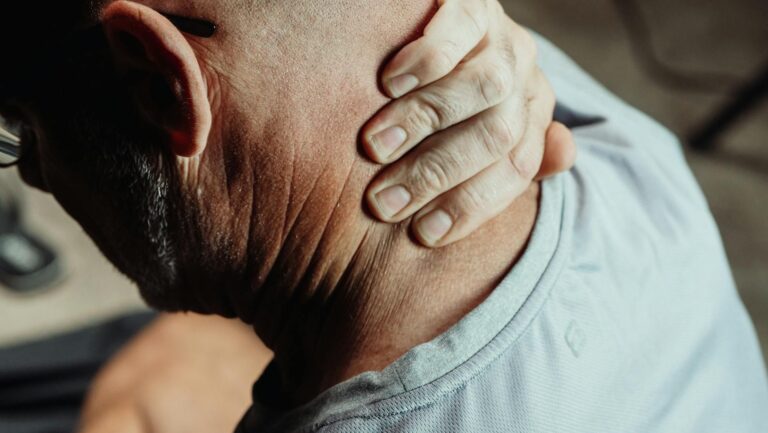
Spine pain most commonly stems from six conditions: muscle strains and ligament sprains, degenerative disc disease, herniated discs, spinal stenosis, spondylolisthesis, and osteoarthritis of the spine. Together, these account for the vast majority of the roughly 619 million people worldwide who live with low back pain, which the World Health Organization identifies as the leading cause of disability globally. If you or someone you care for has been dealing with persistent back pain, understanding which of these conditions is driving the problem is the first step toward relief. Consider a 72-year-old woman who bends down to pick up a grandchild and feels a sudden sharp pull in her lower back.
Her doctor might initially suspect a muscle strain, but imaging could reveal degenerative disc disease or spinal stenosis that has been quietly progressing for years. This kind of overlap is common, and it is one reason back pain can be so frustrating to diagnose. Approximately 90 percent of back pain cases are classified as non-specific, meaning no single identifiable structural cause is pinpointed, according to NCBI StatPearls. This article walks through each of the six major causes of spine pain, explains who is most at risk, describes what to watch for, and outlines the practical steps that matter most, whether you are managing your own symptoms or helping a family member navigate treatment options.
Table of Contents
- What Are the Most Common Causes of Spine Pain and Who Do They Affect?
- Degenerative Disc Disease and Why Age Is Not the Whole Story
- Herniated Discs and the Nerve Pain They Cause
- Spinal Stenosis and Spondylolisthesis — When the Spine Narrows or Shifts
- Osteoarthritis of the Spine and Its Connection to Chronic Pain
- The Financial and Physical Toll of Spine Pain
- Looking Ahead — Better Diagnosis and Earlier Intervention
- Conclusion
- Frequently Asked Questions
What Are the Most Common Causes of Spine Pain and Who Do They Affect?
The single most frequent cause of spine pain is a muscle strain or ligament sprain. These injuries happen when you twist awkwardly, lift something too heavy, or make a sudden movement your body was not prepared for. Around 90 percent of back pain cases are mechanical in nature, with strains and sprains leading the list, according to Mayo Clinic and NCBI StatPearls. Most of these injuries heal within a few weeks with rest, gentle movement, and over-the-counter pain relief. But they can become recurring if the underlying weakness or poor body mechanics are never addressed. The remaining five causes tend to involve structural changes in the spine itself. Degenerative disc disease and osteoarthritis are age-related, becoming more prevalent after age 50.
Herniated discs, by contrast, strike younger adults more often. Spinal stenosis and spondylolisthesis occupy a middle ground, sometimes developing from wear and tear and sometimes from congenital factors or old injuries. For older adults, especially those also managing cognitive decline or dementia, these conditions present a compounding challenge. Pain interferes with sleep, reduces mobility, and can accelerate physical and mental deterioration. One comparison worth keeping in mind is the difference between a muscle strain and a herniated disc. A strain usually produces a dull, aching pain that worsens with movement and improves with rest. A herniated disc often causes sharp, shooting pain that radiates down a leg, sometimes accompanied by numbness or tingling. The distinction matters because the treatment paths diverge significantly, and mistaking one for the other can delay recovery.

Degenerative Disc Disease and Why Age Is Not the Whole Story
Degenerative disc disease describes the gradual breakdown of the rubbery discs that sit between the vertebrae, acting as cushions and shock absorbers. As these discs lose hydration and height over time, the vertebrae come closer together, which can cause stiffness, pain, and reduced range of motion. back pain prevalence peaks around ages 50 to 55, according to Cleveland Clinic and the WHO, and degenerative disc changes are a major reason why. However, the name is somewhat misleading. Degenerative disc disease is not really a disease in the traditional sense. It is a normal part of aging, and many people with significant disc degeneration on an MRI have no pain at all.
This is an important limitation to understand: imaging findings do not always correlate with symptoms. A 60-year-old with severe disc degeneration on a scan may feel fine, while a 45-year-old with milder changes may be in considerable pain. If a doctor recommends surgery based solely on imaging without a thorough clinical evaluation, it is worth seeking a second opinion. Risk factors that accelerate disc degeneration include smoking, obesity, heavy-lifting occupations, and physical inactivity, all of which the WHO identifies as contributors to back pain more broadly. For caregivers of people with dementia, this is worth noting. The physical demands of caregiving, including lifting, transferring, and supporting another person’s body weight, can hasten disc wear if proper body mechanics are not used consistently.
Herniated Discs and the Nerve Pain They Cause
A herniated disc occurs when the soft inner material of a spinal disc pushes through a tear in the tougher outer layer and presses against a nearby nerve. The result is often intense, radiating pain, commonly called sciatica when it travels down the leg. Unlike degenerative disc disease, herniated discs are more common in younger adults. As people age, the disc material becomes less gel-like and less prone to herniation, though it becomes more susceptible to other degenerative conditions instead, according to Mayo Clinic and NCBI StatPearls. A specific scenario helps illustrate how this unfolds. A 38-year-old office worker who sits for long hours and occasionally lifts boxes might feel a sudden pop in the lower back followed by pain shooting down the left leg.
Within days, the leg feels weak, and sitting becomes unbearable. This is a classic herniated disc presentation. Most herniated discs improve with conservative treatment over six to twelve weeks, including physical therapy, anti-inflammatory medications, and activity modification. Surgery becomes a consideration only when pain is severe, neurological deficits worsen, or conservative measures fail after a reasonable period. One thing that catches people off guard is that a herniated disc can cause symptoms far from the actual site of the problem. A disc herniation in the lower lumbar spine can produce numbness in the foot or weakness in the ankle. For older adults who already have balance issues or cognitive impairment, this kind of nerve involvement can dramatically increase fall risk, making prompt evaluation essential.
Spinal Stenosis and Spondylolisthesis — When the Spine Narrows or Shifts
Spinal stenosis is the narrowing of the spinal canal, the bony corridor that houses the spinal cord and nerve roots. As the canal shrinks, nerves get pinched, producing pain, sciatica, and a characteristic heavy or tired feeling in the legs. Pain typically worsens with prolonged standing or walking and eases when sitting or leaning forward, which temporarily opens up the canal. It is most common in adults over 50, according to UChicago Medicine and Cleveland Clinic. Spondylolisthesis, a related but distinct condition, occurs when one vertebra slips forward over the vertebra below it.
Even a small shift, sometimes just a few millimeters, can compress a nerve and cause pain in the back, buttocks, or legs. The causes vary: stress fractures from repetitive extension movements, degenerative changes from aging, or congenital defects present from birth, according to The Orthopedic Clinic and WebMD. The tradeoff between these two conditions and their treatments is worth understanding. Spinal stenosis often responds well to physical therapy, epidural steroid injections, and lifestyle modifications like using a shopping cart or walker for support while walking. Spondylolisthesis may also respond to conservative care, but if the vertebral slip is significant or progressive, surgical stabilization through spinal fusion may be necessary. For older patients, the decision to pursue surgery involves weighing the risks of anesthesia and recovery against the potential benefit, a calculus that becomes more complex when dementia or other comorbidities are present.
Osteoarthritis of the Spine and Its Connection to Chronic Pain
Osteoarthritis of the spine involves the degenerative loss of cartilage in the facet joints, the small joints that connect each vertebra to the ones above and below it. As cartilage wears away, bone grinds against bone, causing inflammation, stiffness, and chronic pain. Cleveland Clinic and Proliance Orthopedic identify it as one of the most common causes of back pain in older adults, and it frequently coexists with degenerative disc disease and spinal stenosis, compounding the overall burden. A warning that applies broadly: people with back pain have a higher incidence of heart disease, arthritis in other joints, diabetes, and cancer compared to those without back pain, according to research reported by MedicalXpress in September 2025. This does not mean back pain causes these conditions, but it suggests that chronic pain and the inactivity it promotes create a cascade of health consequences.
For someone already managing dementia, adding chronic spinal arthritis to the mix can be devastating to quality of life and functional independence. One limitation of treating spinal osteoarthritis is that the cartilage damage cannot be reversed. Treatment focuses on managing symptoms through exercise, weight management, anti-inflammatory medications, and sometimes joint injections. The temptation to rest and avoid movement is strong, but it is precisely the wrong approach. Controlled, regular movement is one of the few interventions consistently shown to slow the progression of symptoms and preserve mobility.

The Financial and Physical Toll of Spine Pain
Back pain accounts for over 100 billion dollars in healthcare costs annually in the United States alone, according to estimates from QC Kinetix and CFAH. That figure includes direct medical expenses like doctor visits, imaging, medications, and surgeries, as well as indirect costs from lost productivity and disability payments. For families already managing the expenses of dementia care, adding spine pain treatment to the budget can create real financial strain.
A practical example: a caregiver who develops chronic low back pain from years of lifting and transferring a loved one with dementia may face a choice between pursuing physical therapy, which typically requires multiple sessions per week, and continuing caregiving duties without interruption. Programs that teach proper body mechanics and provide assistive equipment can help prevent this dilemma, but they are underutilized. Asking a primary care doctor or a local Area Agency on Aging about caregiver support resources is a concrete first step.
Looking Ahead — Better Diagnosis and Earlier Intervention
The future of spine pain management is moving toward earlier identification of risk factors and more personalized treatment plans. The WHO has identified age, obesity, smoking, heavy-lifting occupations, and physical inactivity as the primary modifiable risk factors for back pain, and public health strategies increasingly focus on addressing these before pain becomes chronic.
For aging populations, particularly those with cognitive decline, integrating spine health into routine care rather than treating it reactively could prevent a significant amount of suffering. Research into the connection between chronic pain and broader disease risk, including the finding that back pain correlates with higher rates of heart disease and diabetes, may eventually reshape how physicians approach spine complaints. Rather than treating back pain as an isolated musculoskeletal issue, the emerging view treats it as a signal of systemic health that warrants a more comprehensive evaluation, especially in older adults juggling multiple conditions.
Conclusion
The six most common causes of spine pain, muscle strains, degenerative disc disease, herniated discs, spinal stenosis, spondylolisthesis, and osteoarthritis, range from acute injuries that heal in weeks to chronic conditions that require ongoing management. With 619 million people affected globally and back pain standing as the leading cause of disability worldwide, this is not a niche concern. It touches nearly every family, and its impact is amplified when it intersects with aging and cognitive decline.
If you or someone you care for is living with persistent spine pain, the most important step is getting an accurate diagnosis rather than assuming the cause. A muscle strain and spinal stenosis demand very different responses, and treating one as though it were the other wastes time and money. Talk to a healthcare provider, ask about physical therapy as a first-line treatment, and do not ignore pain that radiates into the legs, causes numbness, or worsens steadily over weeks. Early intervention consistently produces better outcomes than waiting until the problem becomes debilitating.
Frequently Asked Questions
Can spine pain be a sign of something more serious than a muscle strain?
Yes. While most back pain is mechanical and benign, pain accompanied by leg weakness, numbness, loss of bladder or bowel control, or unexplained weight loss warrants immediate medical evaluation. These can signal nerve compression or other conditions that require urgent treatment.
Why does my back pain get worse when I stand or walk but improve when I sit?
This pattern is characteristic of spinal stenosis. Sitting or leaning forward opens up the spinal canal slightly, relieving pressure on the nerves. If you notice this pattern, mention it specifically to your doctor, as it helps narrow the diagnosis.
Is bed rest recommended for back pain?
No. Prolonged bed rest is no longer recommended for most types of back pain and can actually worsen outcomes by weakening muscles and stiffening joints. Gentle, controlled movement and gradual return to normal activities are preferred unless a physician advises otherwise for a specific condition.
At what age does spine pain become most common?
Back pain prevalence peaks around ages 50 to 55, driven largely by degenerative changes in the discs and joints. However, herniated discs are more common in younger adults, and muscle strains can occur at any age.
Does an abnormal MRI mean I need surgery?
Not necessarily. Many people with significant disc degeneration, disc bulges, or other findings on MRI have no pain at all. Treatment decisions should be based on symptoms, functional limitations, and response to conservative care, not imaging alone.
How can caregivers protect their own backs while helping someone with dementia?
Use proper lifting techniques by bending at the knees rather than the waist, invest in assistive devices like transfer belts and slide boards, and ask about caregiver training programs through local aging agencies. Preventing back injuries is far easier than treating them.