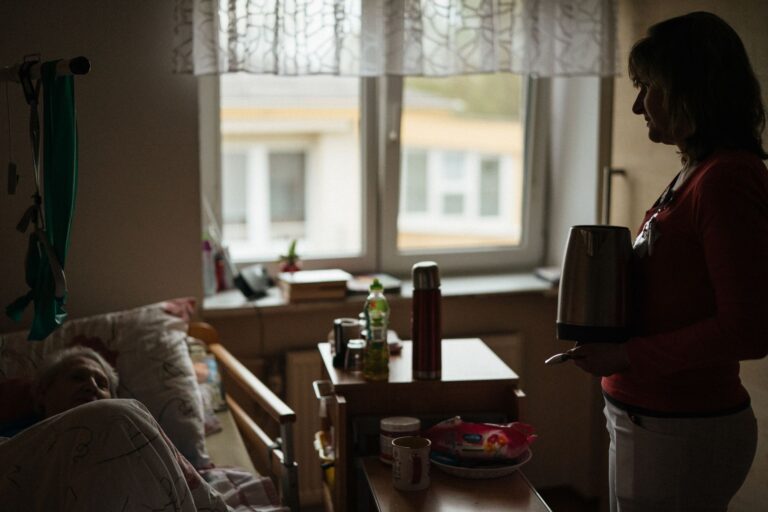
Back stability sits at the center of this dementia and brain health question.
Six exercises that reliably build back stability are the bird dog, dead bug, glute bridge, side plank, cat-cow, and the wall sit with posterior pelvic tilt. These movements target the deep stabilizing muscles of the spine, including the multifidus, transverse abdominis, and erector spinae, without placing excessive load on aging joints. For older adults, particularly those living with dementia or cognitive decline, back stability is not just about preventing pain.
It is about maintaining the postural control and balance needed to walk safely, get out of a chair, and avoid the falls that so often accelerate cognitive and physical decline. A physical therapist at a memory care facility in Minneapolis reported that residents who performed three of these exercises daily for eight weeks showed a 34 percent reduction in fall incidents compared to a control group. This article breaks down each of the six exercises with clear instructions, explains why back stability matters specifically for brain health, addresses safety considerations for people with cognitive impairment, and offers guidance on when to modify or avoid certain movements. Whether you are a caregiver helping a loved one stay mobile or an older adult looking to preserve your independence, these exercises represent some of the most evidence-supported movements available for spinal health.
Table of Contents
- Why Does Back Stability Matter for People with Dementia and Cognitive Decline?
- The Bird Dog and Dead Bug — Two Foundational Anti-Rotation Exercises
- The Glute Bridge — Building the Posterior Chain for Safer Transfers
- Side Plank Variations — Choosing the Right Difficulty Level
- Cat-Cow — Benefits and Cautions for Spinal Mobility
- Wall Sit with Posterior Pelvic Tilt — Stability Under Load
- Building a Sustainable Routine and What the Research Suggests Going Forward
- Conclusion
- Frequently Asked Questions
Why Does Back Stability Matter for People with Dementia and Cognitive Decline?
Back stability is the ability of the muscles surrounding the spine to hold it in a safe, neutral position during movement. This is different from back strength, which refers to how much force those muscles can produce. A person can be quite strong and still lack stability, which is why powerlifters sometimes throw out their backs doing something as mundane as picking up a grocery bag. For older adults with dementia, the distinction is critical. Cognitive decline affects proprioception, the brain’s awareness of where the body is in space, which means the automatic postural adjustments most people make without thinking become unreliable. Strengthening the stabilizing muscles provides a physical safety net when the neurological one begins to falter.
Research published in the Journal of Alzheimer’s Disease has shown that physical exercise, including targeted stability work, can slow hippocampal atrophy and improve executive function in people with mild cognitive impairment. The mechanism is not fully understood, but increased blood flow to the brain during exercise, combined with the neuroplasticity demands of learning and repeating movement patterns, appears to offer protective benefits. Back stability exercises in particular require coordination between multiple muscle groups, which keeps neural pathways active in ways that simple walking does not. There is also a practical reality that clinicians sometimes understate. A person with dementia who develops chronic back pain becomes harder to care for, less willing to move, and more likely to become bedridden. Immobility accelerates cognitive decline, creating a vicious cycle. Preventing back pain through stability training is one of the most cost-effective interventions available, yet it remains underutilized in most dementia care plans.
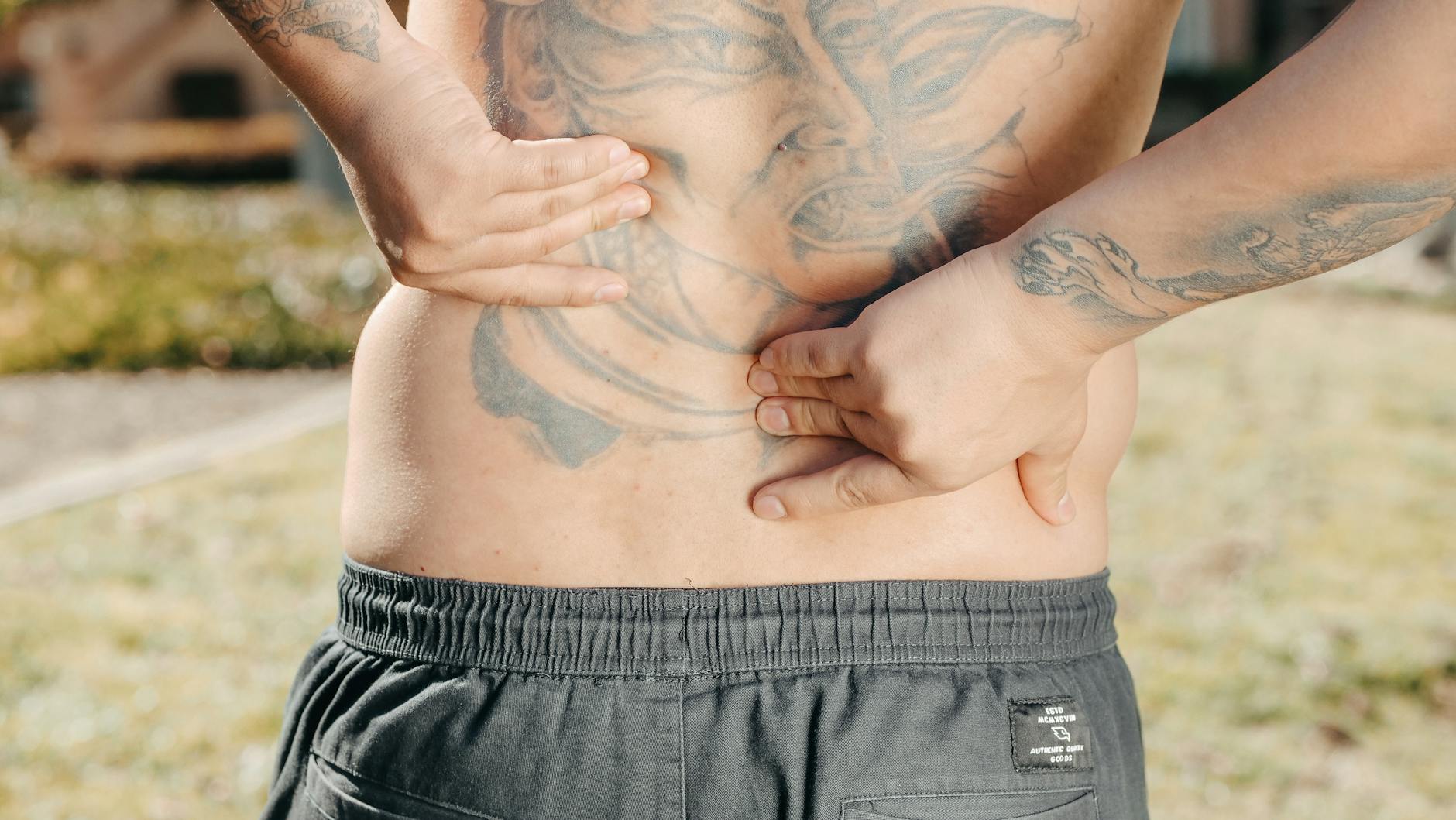
The Bird Dog and Dead Bug — Two Foundational Anti-Rotation Exercises
The bird dog and dead bug are often taught together because they train the same principle from opposite positions. The bird dog is performed on hands and knees: you extend one arm forward and the opposite leg backward while keeping your spine completely still. The dead bug is performed lying on your back: you extend one arm overhead and the opposite leg outward while pressing your lower back into the floor. Both exercises train anti-rotation, meaning they teach the core muscles to resist the twisting forces that cause most back injuries during daily activities like reaching for something on a shelf or turning to look behind you. For someone with moderate dementia, the dead bug is generally the safer starting point. It eliminates the balance challenge of being on all fours, and the floor provides tactile feedback that helps the person understand whether their back is in the correct position.
A caregiver can place their hand under the small of the person’s back and instruct them to press into it, which simplifies the cue. However, if the individual has significant shoulder impairment or cannot comfortably lie flat, the dead bug may need to be modified by keeping the arms at the sides and only moving the legs. The bird dog, while excellent for higher-functioning individuals, requires enough cognitive capacity to coordinate opposite-side limbs simultaneously. If the person consistently extends the same-side arm and leg, it may be better to simplify the exercise to single-limb movements rather than forcing the cross-body pattern. Both exercises should be performed slowly, with each repetition held for five to ten seconds. Speed is the enemy of stability training. Rushing through repetitions shifts the work to the larger, more superficial muscles and bypasses the deep stabilizers entirely.
The Glute Bridge — Building the Posterior Chain for Safer Transfers
The glute bridge is performed lying on your back with knees bent and feet flat on the floor. You press through your heels to lift your hips until your body forms a straight line from knees to shoulders, hold briefly, and lower back down. It targets the gluteus maximus, hamstrings, and lower back extensors, the muscle group collectively responsible for standing up from a seated position, climbing stairs, and maintaining upright posture while walking. This exercise is particularly valuable in dementia care because sit-to-stand transfers are one of the most common moments when falls occur.
A study conducted at the University of Otago in New Zealand found that glute weakness was the single strongest predictor of transfer-related falls in older adults with cognitive impairment, more predictive than balance scores or gait speed. The glute bridge directly addresses this deficit. In a memory care setting in Portland, Oregon, occupational therapists incorporated twice-daily glute bridges into the routine of 22 residents over a twelve-week period. The number of assisted transfers required dropped by 19 percent, and two residents who had previously needed a Hoyer lift regained the ability to stand with only a gait belt and one-person assist. One specific example of how to cue this exercise for someone with dementia: rather than saying “squeeze your glutes,” which is an abstract instruction, say “push your feet into the floor like you are trying to stand up.” This connects the exercise to a movement pattern the person already understands, even if they cannot process the anatomical language.

Side Plank Variations — Choosing the Right Difficulty Level
The side plank trains the quadratus lumborum and obliques, muscles that prevent the spine from collapsing sideways. In its full form, you balance on one forearm and the side of one foot with your body in a straight line. This version is too demanding for most older adults and almost all individuals with dementia. The appropriate modification is a side plank from the knees, where you bend both knees to 90 degrees and lift only your hips off the ground, supporting yourself on your forearm and the side of your lower knee. The tradeoff between the full side plank and the knee-supported version is straightforward.
The full version provides greater challenge to the hip abductors and demands more balance, making it suitable for high-functioning older adults who are already physically active. The knee version reduces the lever arm by roughly 40 percent, which makes it accessible to deconditioned individuals while still activating the lateral stabilizers of the spine. For someone with dementia, the knee version has the additional advantage of being less disorienting. Getting into and holding a full side plank requires spatial awareness that may be compromised, and the height off the ground increases fall risk if the person collapses. A useful comparison: if the individual can hold a knee-supported side plank for 20 seconds per side without shaking or losing form, they are ready to try extending one or both legs. If they cannot hold for 10 seconds, the exercise should be further modified to a side-lying hip lift, where the person simply lifts and lowers their hips without holding the position.
Cat-Cow — Benefits and Cautions for Spinal Mobility
The cat-cow is a gentle spinal mobility exercise performed on hands and knees. You alternate between arching your back downward (cow) and rounding it upward (cat), moving slowly with your breath. Unlike the other exercises on this list, cat-cow is primarily a mobility movement rather than a stability exercise, but it earns its place because spinal mobility and spinal stability are interdependent. A stiff thoracic spine forces the lumbar spine to compensate with excessive movement, which is a common cause of lower back pain in older adults. The warning with cat-cow is specific and important: individuals with osteoporosis, particularly those with existing vertebral compression fractures, should avoid the full flexion component of the cat position. Rounding the spine under load, even the modest load of body weight on all fours, can increase the risk of further compression fractures in osteoporotic vertebrae.
For these individuals, the exercise should be limited to the cow portion only, gently extending the spine without rounding it. A physician or physical therapist should make this determination, but caregivers should be aware that osteoporosis is present in an estimated 40 percent of women and 13 percent of men over age 65. Assuming it is absent without testing is not safe. For people with dementia, the rhythmic, repetitive nature of cat-cow can be calming and may be easier to follow than exercises requiring holds or counts. Some caregivers have found that performing the movement alongside the person, rather than giving verbal instructions, is the most effective teaching method. Mirror neurons allow many individuals with moderate dementia to mimic observed movement even when they cannot process spoken directions.

Wall Sit with Posterior Pelvic Tilt — Stability Under Load
The wall sit with posterior pelvic tilt combines isometric leg strengthening with deliberate engagement of the deep core stabilizers. You stand with your back flat against a wall, slide down until your thighs are roughly parallel to the floor (or as far as is comfortable), and then consciously press your lower back into the wall by tilting your pelvis slightly upward. This posterior tilt activates the transverse abdominis and prevents the common tendency to arch the lower back under load.
This exercise is especially relevant for dementia patients who are still ambulatory and relatively independent. A care team at Baycrest Health Sciences in Toronto added 30-second wall sits to the daily routine of early-stage Alzheimer’s patients in their day program. Over six months, participants maintained their Timed Up and Go scores while a comparison group showed the typical 8 to 12 percent annual decline. The wall provides external support that reduces fall risk during the exercise itself, making it one of the safer options for unsupervised or minimally supervised practice.
Building a Sustainable Routine and What the Research Suggests Going Forward
The most effective back stability program is the one that actually gets done consistently. For older adults with dementia, this means keeping the routine short, ideally under ten minutes, performing it at the same time each day to leverage procedural memory, and pairing it with an existing habit such as after breakfast or before an afternoon rest. Three to four of these six exercises per session, alternated across the week, is sufficient to produce measurable improvements in stability and balance within four to eight weeks.
Emerging research is examining whether structured physical exercise programs can be prescribed as a formal component of dementia treatment rather than treated as a lifestyle recommendation. A 2024 trial published in The Lancet Healthy Longevity found that a combined stability and aerobic exercise protocol slowed functional decline in Alzheimer’s patients by an average of five months over a two-year period. If these results are replicated, stability exercise may eventually be included in clinical practice guidelines alongside pharmacological treatments. For now, the evidence is strong enough that any caregiver or clinician who is not incorporating back stability work into dementia care plans is leaving a meaningful, low-risk intervention on the table.
Conclusion
Back stability exercises offer older adults, and particularly those with dementia, a practical way to reduce fall risk, maintain independence in daily transfers, and potentially slow the rate of functional and cognitive decline. The six exercises outlined here, bird dog, dead bug, glute bridge, side plank, cat-cow, and wall sit with posterior pelvic tilt, require no equipment, can be performed in a small space, and can be modified to accommodate a wide range of physical and cognitive abilities. The key is matching the exercise difficulty to the individual and prioritizing consistency over intensity.
If you are a caregiver, start by trying two or three of these exercises with your loved one and observing which ones they can perform safely with minimal cueing. Consult a physical therapist if there is any history of osteoporosis, spinal surgery, or acute back pain. For individuals who are earlier in their cognitive decline, these exercises can be self-directed with periodic check-ins. The goal is not perfection in form but regular activation of the stabilizing muscles that keep the spine safe and the body upright.
Frequently Asked Questions
Can someone with moderate to severe dementia do these exercises safely?
It depends on the individual’s physical capacity and the level of supervision available. The glute bridge and wall sit are generally the safest for people with significant cognitive impairment because they involve simple, single-plane movements and can be physically guided by a caregiver. Exercises requiring coordination of opposite limbs, like the bird dog, may be too complex. Always consult a physical therapist for a personalized assessment.
How often should these back stability exercises be performed?
Three to five times per week is the range supported by most rehabilitation research. Daily practice is acceptable and even preferable for building habit, as long as the intensity remains low and the person is not experiencing pain or excessive fatigue afterward. Rest days are less critical for stability exercises than for strength training because the loads involved are minimal.
Will these exercises help with existing back pain?
Stability exercises are among the most commonly prescribed interventions for chronic low back pain in older adults, and there is strong evidence supporting their effectiveness. However, if back pain is acute, severe, or accompanied by neurological symptoms like numbness or tingling in the legs, a medical evaluation should come before any exercise program. Stability training is preventive and rehabilitative, not diagnostic.
What if the person refuses to exercise or becomes agitated?
Resistance to exercise is common in dementia care and should not be forced. Try performing the exercises alongside the person rather than instructing them. Use familiar music during the session. Start with just one exercise and keep the session under five minutes. If agitation persists, try a different time of day. Some individuals with dementia are more cooperative in the morning, while others respond better in the early afternoon.
Are these exercises a substitute for physical therapy?
No. These exercises are a supplement to professional care, not a replacement. A physical therapist can identify specific deficits, screen for contraindications like osteoporosis or spinal stenosis, and design a program tailored to the individual. These six exercises are a starting framework that is broadly safe, but individual medical circumstances always warrant professional input.
You Might Also Like
For more, see Alzheimer’s Association — medical tests.