Nine specific exercises, most of which you can do on your bedroom floor in under fifteen minutes, form the backbone of modern back pain recovery programs recommended by the Mayo Clinic, Medical News Today, and the American Academy of Orthopaedic Surgeons. These movements target the muscles that actually stabilize your spine — the gluteus maximus, the transversus abdominis, the hip abductors, and the back extensors — and research consistently shows that this kind of targeted exercise therapy is more effective for chronic low back pain than rest, usual care, or placebo. The old advice to lie still until the pain passes is officially outdated. Current clinical guidelines emphasize that early, controlled movement is the key to preventing acute pain from becoming chronic disability. This matters more than most people realize.
Low back pain affects approximately 619 million people globally and stands as the leading cause of disability worldwide, according to WHO and Global Burden of Disease data. Recovery rates after an acute episode are not as reassuring as you might hope: only 39 to 76 percent of patients fully recover, with just 33 percent recovering within the first three months and 65 percent still reporting pain after a full year. For older adults, particularly those managing cognitive decline or dementia, persistent back pain compounds existing challenges with mobility, sleep, and independence. The exercises covered here — bridges, knee-to-chest stretches, rotational stretches, draw-in maneuvers, pelvic tilts, lateral leg lifts, cat-cow stretches, supermans, and seated rotational stretches — offer a practical, low-cost path toward recovery. This article breaks down each movement, explains what the research says about optimal exercise prescription, and addresses the real-world limitations that textbook recommendations often gloss over.
Table of Contents
- Which Exercises Actually Work for Back Pain Recovery, and Why?
- What Does the Research Say About Exercise Versus Other Treatments?
- How Back Pain Recovery Connects to Brain Health and Dementia Care
- Building an Effective Exercise Schedule for Back Pain Recovery
- When These Exercises Can Make Things Worse
- Supplementary Movements Worth Knowing About
- Where Back Pain Exercise Research Is Heading
- Conclusion
- Frequently Asked Questions
Which Exercises Actually Work for Back Pain Recovery, and Why?
The nine exercises recommended across major medical sources share a common logic: they strengthen the muscles that support the spine while restoring flexibility to muscles that have tightened in response to pain. Bridges, for example, target the gluteus maximus — the large muscle in your buttocks — and researchers have linked weak glutes directly to lower back pain. When your glutes fail to fire properly, your lower back compensates during basic movements like standing up from a chair or climbing stairs. Draw-in maneuvers activate the transversus abdominis, the deepest layer of abdominal muscle, which wraps around your midsection like a natural back brace and stabilizes both the spine and pelvis. Lying lateral leg lifts strengthen the hip abductor muscles, which support the pelvis and reduce the lateral strain that often contributes to one-sided back pain. The stretching-focused exercises in this group — knee-to-chest stretches, lower back rotational stretches, cat-cow stretches, and seated rotational stretches — work the other side of the equation. They elongate muscles that have shortened and stiffened, which is a near-universal response to back pain. Cat-cow stretches improve spinal flexibility by cycling through flexion and extension, loosening the paraspinal muscles along your entire back.
Knee-to-chest stretches specifically target the lower back, and most people feel immediate, temporary relief after holding the position for twenty to thirty seconds. The important distinction here is that stretching provides short-term relief while strengthening provides long-term structural change. You need both. A person who only stretches will feel better in the moment but will likely re-aggravate the injury because the underlying muscular weakness remains. A person who only strengthens without adequate flexibility work risks muscle spasms and compensatory movement patterns. One exercise that deserves particular attention is the superman. This movement strengthens the back extensors that run along both sides of the spine, and these muscles are essential for maintaining upright posture. For someone caring for a loved one with dementia — lifting, transferring, bending repeatedly throughout the day — back extensor strength is not optional. It is the difference between sustainable caregiving and an injury that sidelines you entirely.

What Does the Research Say About Exercise Versus Other Treatments?
Meta-analyses provide moderate-certainty evidence that exercise therapy is effective for chronic low back pain compared to no treatment, usual care, or placebo. That is a meaningful finding, but the word “moderate” matters. Exercise is not a miracle cure, and the research is honest about that. A network meta-analysis published in the Journal of Orthopaedic & Sports Physical Therapy found that Pilates, McKenzie therapy, and functional restoration were more effective than other exercise types for reducing both pain intensity and functional limitations. Tai chi and yoga showed the best pain improvement outcomes compared to no intervention, while yoga and core stabilization exercises showed the best physical function improvement compared to conventional rehabilitation. However, if you are dealing with severe symptoms — significant radiating pain, numbness, or difficulty controlling your bladder or bowels — these exercises are not your starting point.
Increasing exercise duration and frequency too rapidly can intensify pain in patients with severe presentations, because the body needs time to adapt to new loads. This is where the generic “just exercise more” advice can actually cause harm. A person with a large disc herniation who jumps into supermans on day one may worsen nerve compression. The research supports exercise as a treatment, but the type, intensity, and timing of that exercise need to match your specific condition. Current clinical guidelines recommend a multimodal and biopsychosocial approach for nonspecific low back pain, combining education, reassurance, physical activity, manual therapy, and therapeutic exercise — not exercise alone in isolation. The practical takeaway: exercise works, but it works best as part of a broader recovery plan, and it needs to be individualized based on your clinical characteristics and both subjective and objective criteria. A physical therapist can help you determine which of the nine exercises are appropriate for your current stage of recovery and which ones to add later.
How Back Pain Recovery Connects to Brain Health and Dementia Care
chronic pain and cognitive decline share a relationship that researchers are still working to fully understand, but the clinical implications are already clear. Persistent back pain disrupts sleep, limits physical activity, increases social isolation, and elevates cortisol levels — every one of which is an independent risk factor for accelerated cognitive decline. For someone already living with mild cognitive impairment or early-stage dementia, untreated back pain can trigger a cascade of functional losses that far exceed what either condition would cause alone. A person who stops walking because of back pain loses cardiovascular fitness, which reduces cerebral blood flow, which can worsen cognitive symptoms, which makes it harder to remember to do the exercises that would help the back pain. The cycle is vicious and common.
For caregivers, back pain is practically an occupational hazard. Transferring a person with dementia from bed to wheelchair, assisting with bathing, managing agitation that sometimes becomes physical — these tasks load the spine repeatedly and often in awkward, unpredictable positions. Exercises like pelvic tilts, bridges, and draw-in maneuvers can be done in five minutes before bed and build the core stability that makes these daily caregiving tasks safer. Consider a caregiver who spends two minutes each morning doing cat-cow stretches and pelvic tilts before helping their spouse out of bed. That brief routine activates the stabilizing muscles and restores some flexibility to a spine that has been immobile all night. It is not a complete exercise program, but it is a practical buffer against the cumulative strain of hands-on care.
Building an Effective Exercise Schedule for Back Pain Recovery
Research published in Frontiers in Public Health in 2025 offers specific guidance on optimal exercise prescription for chronic low back pain. The recommended parameters are fifteen to thirty minutes per session, three times per week, sustained for a program length exceeding sixteen weeks for best results. That last number is the one most people underestimate. Sixteen weeks is four months, and most people abandon exercise programs long before that. The research is telling us that meaningful, lasting improvement in chronic back pain requires a commitment measured in months, not days. The tradeoff between session length and frequency is worth considering.
Three thirty-minute sessions per week and six fifteen-minute sessions per week deliver roughly the same weekly volume, but they suit different people. Someone with severe pain who can only tolerate short bouts of activity may do better with shorter, more frequent sessions. Someone with a busy caregiving schedule who cannot reliably carve out six separate exercise windows may find three longer sessions more sustainable. The tai chi finding is particularly interesting here: a 2025 analysis identified tai chi as potentially the most effective single intervention type for improving chronic low back pain in adults. Tai chi sessions typically run thirty to sixty minutes and combine gentle movement, balance training, and breath work, making it a plausible option for older adults who find floor exercises uncomfortable or intimidating. The limitation is access — tai chi classes are not universally available, and learning the forms from a video requires a baseline level of coordination and balance that not every older adult has.
When These Exercises Can Make Things Worse
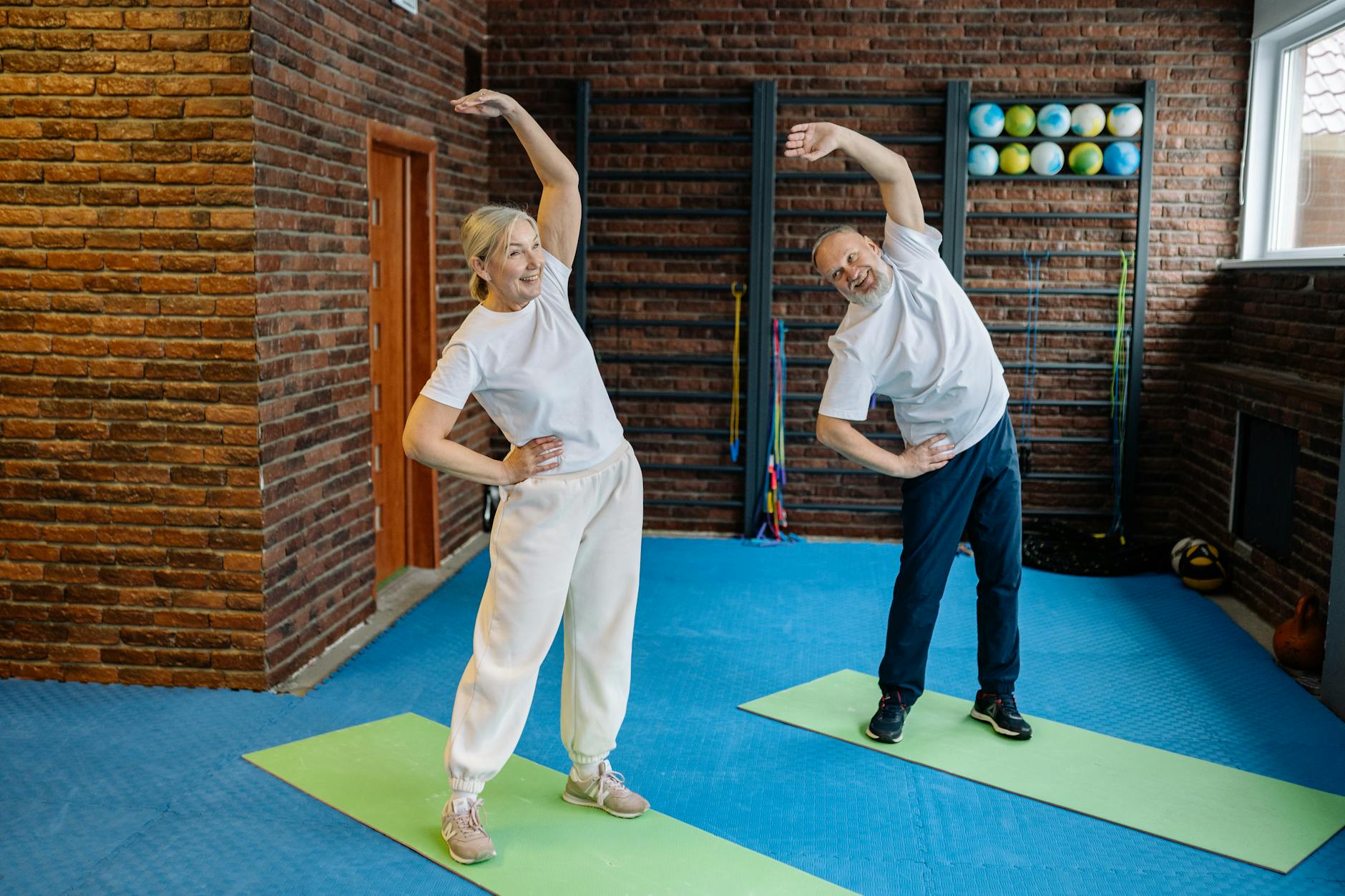
Not every exercise on this list is appropriate for every person at every stage of recovery, and ignoring that reality causes real harm. Supermans, for instance, require you to lift both arms and both legs off the ground while lying face down. For someone with spinal stenosis — a narrowing of the spinal canal that is extremely common in adults over sixty — this extension-heavy movement can compress the already narrowed canal and intensify leg symptoms. Similarly, seated and lying rotational stretches involve spinal twisting that may aggravate a disc injury in its acute phase. The exercises are tools, and like all tools, they can be misused.
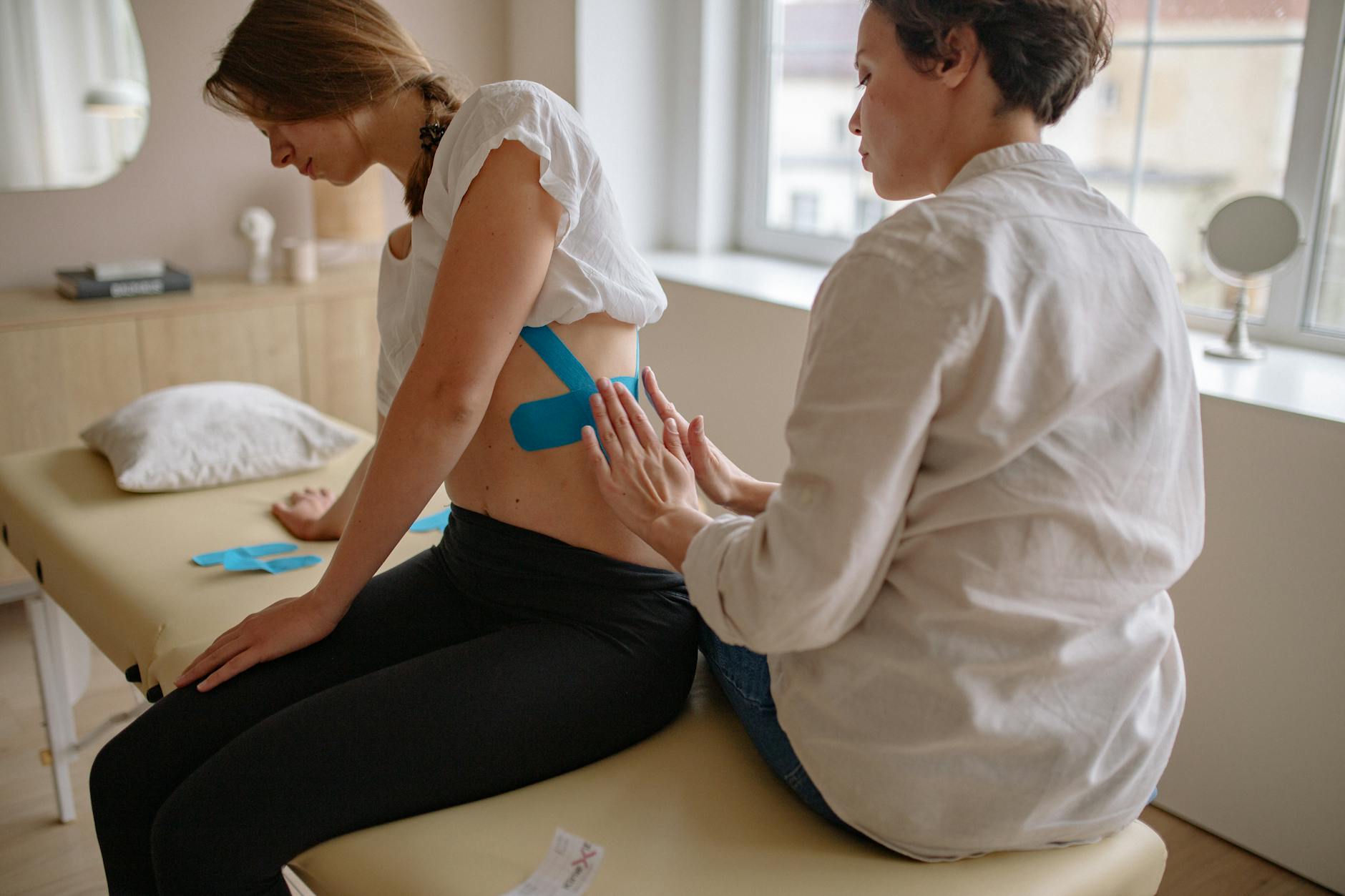
The broader warning is about pacing. Bodies that have been deconditioned by weeks or months of pain-limited activity cannot tolerate a sudden return to regular exercise, even gentle exercise. Starting with two or three of the gentlest movements — pelvic tilts, knee-to-chest stretches, and draw-in maneuvers are reasonable choices — and adding more exercises gradually over several weeks is safer than attempting all nine on the first day. If any exercise increases your pain during or after the session, that is meaningful information, not something to push through. Current guidelines strongly recommend consulting a physical therapist before starting an exercise program for back pain recovery, and this is especially important for older adults, people with osteoporosis, or anyone with neurological symptoms like numbness, tingling, or leg weakness.
Supplementary Movements Worth Knowing About
Two exercises that did not make the core list of nine but appear frequently in physical therapy protocols for back pain are the bird-dog and the dead bug. Both are considered essential for reactivating the multifidus, a deep stabilizing muscle that runs along the spine and tends to atrophy rapidly after a back injury.
The bird-dog involves extending one arm and the opposite leg while on all fours, which challenges balance and core stability simultaneously. The dead bug involves lying on your back with arms extended toward the ceiling and knees bent at ninety degrees, then slowly lowering one arm and the opposite leg toward the floor without allowing your lower back to arch off the ground. For someone who has mastered the initial nine exercises and wants to progress, these two movements are logical next steps that target a muscle group the basic exercises do not fully address.
Where Back Pain Exercise Research Is Heading
The trend in back pain research is moving decisively toward individualized exercise prescription rather than one-size-fits-all protocols. The 2025 literature emphasizes that exercise programs should be tailored to patient clinical characteristics using both subjective reports and objective measurements. This means the future likely involves more precise matching of specific exercises to specific diagnoses, pain patterns, and functional goals.
For the dementia care community, this individualization is particularly important because cognitive impairment affects a person’s ability to learn new movements, follow multi-step instructions, and report pain accurately. Simplified exercise protocols with fewer movements, visual cues, and caregiver-assisted positioning are an area where clinical practice is ahead of published research, and formal studies are needed to establish best practices. In the meantime, the nine exercises described here remain a well-supported starting framework that can be adapted with professional guidance to fit nearly any individual situation.
Conclusion
Back pain recovery is not passive. The evidence supports a specific, structured approach: targeted exercises performed for fifteen to thirty minutes, three times per week, sustained over at least sixteen weeks. The nine exercises recommended by major medical sources — bridges, knee-to-chest stretches, rotational stretches, draw-in maneuvers, pelvic tilts, lateral leg lifts, cat-cow stretches, supermans, and seated rotational stretches — address the core weaknesses and flexibility deficits that perpetuate back pain. For older adults and dementia caregivers, these exercises serve a dual purpose: they protect the spine and they preserve the mobility and independence that cognitive health depends on.
The most important step is the first one, and it should be taken with professional guidance. A physical therapist can evaluate which exercises match your current condition, set appropriate intensity levels, and monitor your progress. With 619 million people worldwide affected by low back pain and recovery rates that leave significant room for improvement, the case for proactive, exercise-based recovery is strong. Do not wait for the pain to resolve on its own — the research suggests that for most people, it will not.
Frequently Asked Questions
How soon after a back injury can I start these exercises?
It depends on the severity and type of injury. For mild, nonspecific low back pain, gentle movements like pelvic tilts and knee-to-chest stretches can often begin within a few days. For more serious injuries involving disc herniation or fracture, you should wait for clearance from a physician or physical therapist. The outdated advice to rest in bed for extended periods has been replaced by guidelines favoring early, controlled movement — but “early” does not mean “immediate and aggressive.”
Can someone with dementia safely perform these exercises?
Many of these exercises can be adapted for people with cognitive impairment, particularly with caregiver assistance. Simpler movements like pelvic tilts and bridges require minimal instruction and can be guided with gentle physical cues. More complex exercises like supermans or cat-cow stretches may need to be broken into smaller steps or substituted with seated alternatives. A physical therapist experienced in working with older adults can recommend appropriate modifications.
Is walking as effective as these targeted exercises for back pain?
Walking is beneficial and is often recommended as a general activity for back pain recovery, but it does not replace targeted strengthening and stretching. Walking primarily builds cardiovascular endurance and promotes gentle spinal movement, but it does not strengthen the transversus abdominis, hip abductors, or back extensors in the way that specific exercises do. The best approach combines walking with targeted exercises.
How long does it take to see improvement?
Research shows that 33 percent of people recover within the first three months, but optimal results require exercise programs exceeding sixteen weeks. Most people notice some improvement in pain and stiffness within two to four weeks of consistent exercise, but structural changes in muscle strength and endurance take longer. Patience and consistency matter more than intensity.
Which single exercise type is most effective for chronic low back pain?
A 2025 analysis identified tai chi as potentially the most effective single intervention type for chronic low back pain in adults. However, Pilates, McKenzie therapy, and functional restoration also showed strong results for reducing pain intensity and functional limitations. The best exercise is ultimately the one you will actually do consistently for months.