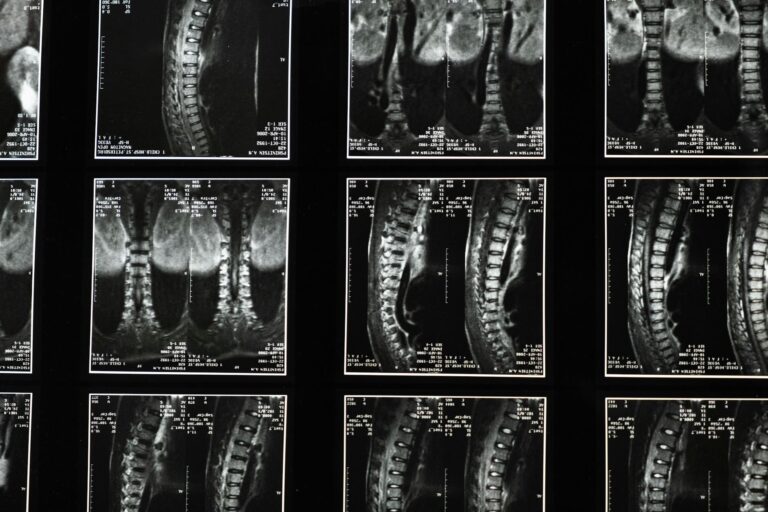
Herniated discs, while primarily a spinal condition, can profoundly impact brain health and dementia risk, particularly in older adults prone to cognitive decline. Chronic back pain from a herniated disc triggers persistent inflammation and stress responses that contribute to neuroinflammation—a key factor in dementia progression. Physical therapy techniques not only alleviate spinal pressure but also reduce this systemic inflammation, preserving cognitive function by minimizing pain-related disruptions to sleep, mood, and daily brain-stimulating activities essential for dementia prevention.
In this article, readers will learn about five evidence-based physical therapy techniques tailored for herniated disc management, with a focus on their neuroprotective benefits. These methods enhance spinal stability, reduce nerve irritation, and promote overall mobility, all of which support brain health by lowering chronic pain's toll on neural pathways. Understanding these approaches empowers individuals with dementia concerns to integrate therapy into routines that safeguard long-term cognitive vitality.
Table of Contents
- How Does Manual Therapy Relieve Herniated Disc Pain and Protect Brain Health?
- Why Are Therapeutic Exercises Essential for Core Stability and Dementia Risk Reduction?
- What Role Does Postural Education Play in Preventing Herniated Disc Recurrence and Cognitive Decline?
- How Does Traction Therapy Decompress the Spine While Benefiting Neural Health?
- Can Aquatic Therapy Provide Unique Relief for Herniated Discs and Brain Protection?
- How to Apply This
- Expert Tips
- Conclusion
- Frequently Asked Questions
How Does Manual Therapy Relieve Herniated Disc Pain and Protect Brain Health?
Manual therapy involves hands-on techniques like spinal mobilization and soft tissue manipulation to restore joint mechanics and reduce nerve compression from herniated discs. For those focused on dementia prevention, this method is vital as it quickly eases pain signals that otherwise amplify brain inflammation, a precursor to cognitive impairment.
Therapists gently realign the spine, decreasing pressure on irritated nerves and fostering better blood flow to neural tissues. Studies highlight manual therapy's safety and efficacy over other treatments for lumbar disc herniation, with benefits extending to improved mobility that encourages brain-boosting activities like walking. In dementia contexts, reduced pain enhances adherence to routines, preserving hippocampal function against stress-induced atrophy.
- Targets core stabilizers and surrounding muscles to build spinal support, indirectly shielding the brain from pain-mediated cortisol spikes.
- Includes nerve glides for lower extremities, minimizing radicular symptoms that disrupt sleep and cognitive recovery.
- Progresses to functional integration, promoting daily movements that stimulate neuroplasticity.
Why Are Therapeutic Exercises Essential for Core Stability and Dementia Risk Reduction?
Therapeutic exercises strengthen trunk muscles, improve flexibility, and enhance spinal endurance, forming the backbone of herniated disc recovery. These targeted movements, such as motor control exercises (MCEs), activate deep stabilizers like the transversus abdominis, reducing disc strain and associated chronic pain that fuels neuroinflammation linked to dementia.
Evidence shows core stability programs decrease pain, boost functional status, and elevate health-related quality of life in disc herniation patients, with moderate support for superiority over no treatment. For brain health, consistent exercise promotes BDNF (brain-derived neurotrophic factor) release, countering dementia pathology while addressing spinal issues.
- Incorporates directional preference like McKenzie extensions to centralize pain away from nerves, aiding cognitive focus.
- Builds progressive strength via bridging and planks, enhancing balance to prevent falls—a major dementia accelerator.
- Integrates aerobic elements like walking, which oxygenates the brain and reduces vascular dementia risk.
What Role Does Postural Education Play in Preventing Herniated Disc Recurrence and Cognitive Decline?
Postural education teaches proper body mechanics, ergonomics, and lifting techniques to minimize spinal stress from herniated discs. This technique prevents symptom worsening by optimizing alignment, crucial for dementia patients whose pain intolerance heightens fall risks and inactivity-induced brain atrophy.
Therapists customize advice for daily activities, fostering habits that sustain spinal health and enable sustained physical engagement vital for cognitive reserve. Long-term adherence lowers recurrence, preserving energy for brain-protective pursuits like social interaction.
- Emphasizes workstation setups to avoid slouched postures that compress discs and impair cerebral blood flow.
- Trains neutral spine maintenance during tasks, reducing nerve irritation that exacerbates brain fog.
- Couples with lifestyle counseling to modify aggravating behaviors, supporting consistent dementia-preventive exercise.

How Does Traction Therapy Decompress the Spine While Benefiting Neural Health?
Traction therapy applies controlled pulling forces to separate spinal vertebrae, relieving disc pressure and nerve root compression in herniated cases. Aquatic or mechanical variants enhance effects, increasing spinal height and pain relief more effectively than some land-based positions, particularly for those with nerve involvement.
For brain health, decompression reduces inflammatory cytokines that cross the blood-brain barrier, mitigating dementia-linked neurodegeneration. Recent trials confirm traction's positive impact on pain, disability, and straight-leg raise tests. This non-invasive approach integrates well with other therapies, promoting mobility that sustains cognitive vitality without surgical risks.
Can Aquatic Therapy Provide Unique Relief for Herniated Discs and Brain Protection?
Aquatic therapy leverages water's buoyancy for low-impact exercises, ideal for herniated discs as it unloads the spine while building strength and flexibility. Patients perform walking, swimming, or stretches in pools, reducing gravitational stress and inflammation without exacerbating pain.
In dementia contexts, this gentle modality encourages movement that boosts cerebral perfusion and endorphin release, countering sedentary lifestyles that accelerate cognitive decline. It's especially suitable for older adults, minimizing fall risks while addressing disc symptoms.
How to Apply This
- Consult a physical therapist specializing in spine and neurology for a personalized assessment linking your herniated disc to brain health goals.
- Begin with 2-3 sessions weekly, incorporating one technique per visit while tracking pain and cognitive symptoms like focus.
- Practice home exercises daily, starting with 5 repetitions and progressing to 10-15, ensuring neutral spine alignment.
- Monitor progress over 4-6 weeks, adjusting for dementia-protective outcomes like improved sleep and activity tolerance.
Expert Tips
- Prioritize techniques reducing inflammation, as chronic pain elevates dementia biomarkers—opt for aquatic sessions twice weekly.
- Combine manual therapy with core exercises for synergistic brain benefits, enhancing neuroplasticity through pain-free movement.
- Use postural cues like "stack your ribs over hips" during daily tasks to sustain spinal and cognitive health long-term.
- Track adherence with a journal noting pain levels and mental clarity to refine your program against dementia progression.
Conclusion
Integrating these five physical therapy techniques—manual therapy, therapeutic exercises, postural education, traction, and aquatic therapy—offers a multifaceted approach to herniated disc management that directly supports dementia prevention. By alleviating spinal pain and inflammation, they preserve cognitive function, enabling active lifestyles that build brain resilience.
Adopting these strategies empowers individuals to reclaim mobility and mental sharpness, underscoring physical therapy's role beyond the spine in holistic brain health maintenance. Consistent application yields lasting recovery, reducing dementia risks through sustained wellness.
Frequently Asked Questions
Can physical therapy for herniated discs slow dementia progression?
Yes, by reducing chronic pain and inflammation, these techniques lower neuroinflammatory burdens, supporting cognitive health as shown in stability exercise trials.
Which technique is safest for older adults with brain health concerns?
Aquatic therapy stands out for its low-impact nature, promoting safe movement that enhances cerebral blood flow without fall risks.
How soon can I expect brain health benefits from these PT methods?
Improvements in pain and function often appear in weeks, with cognitive gains following via better sleep and activity, per personalized programs.
Are home exercises enough, or do I need professional supervision for dementia links?
Supervised sessions ensure proper form linking spine relief to brain protection, with home programs reinforcing gains for optimal outcomes.